Follow Us on Google
From Bamigbola Gbolagunte, Akure
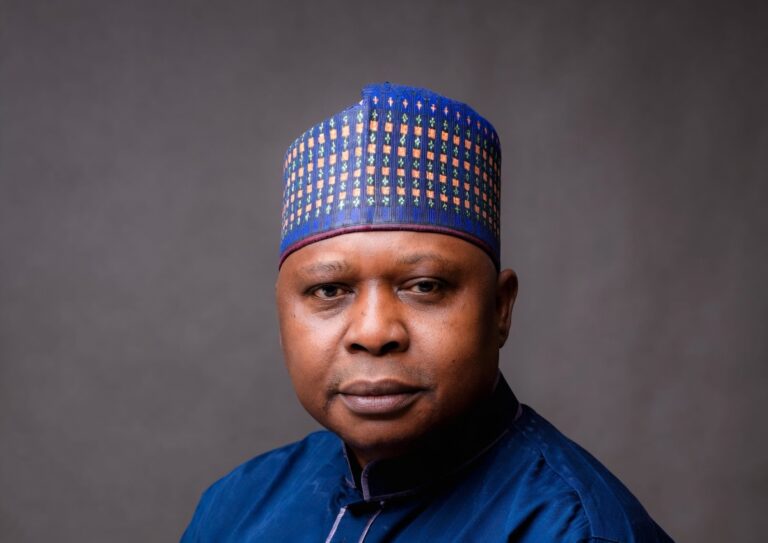
A medical laboratory scientist who specialises in cancer diagnostics, Bolaji Oladapo, has urged the international scientific community to adopt a unified framework for data sharing and diagnostic standardisation.
Oladapo, whose research and professional practice span advanced histopathology, biomarker analysis and precision diagnostics, emphasised that inconsistent diagnostic procedures remain a major barrier to effective cancer management across borders.
In a paper made available to Daily Sun, the renowned scientist said; “two laboratories could examine the same cancer sample in different regions and arrive at conflicting conclusions.
“This happens because diagnostic protocols, reference data and interpretive standards are not harmonised globally. Such inconsistencies can delay accurate diagnosis and jeopardize timely treatment decisions.”
Drawing from his experience within the United Kingdom’s National Health Service (NHS) and his ongoing research in cancer diagnostics and molecular pathology, Oladapo highlighted the urgent need for interconnected diagnostic data repositories that support real-time collaboration between laboratories, clinicians and researchers worldwide.
He described data sharing not only as a scientific necessity but also as a moral responsibility.
“Beyond technology, data sharing is an ethical commitment to fairness in healthcare,” he said. “It allows researchers in developing regions to validate rare cancer findings and access diagnostic references that would otherwise remain out of reach,” he said.
Oladapo called on the World Health Organisation (WHO), the International Agency for Research on Cancer (IARC) and regional health bodies to strengthen policies promoting diagnostic interoperability, standard reference protocols and collaborative training for laboratory professionals.
According to him, greater international cooperation in cancer diagnostics will ensure that patients, regardless of their location or socioeconomic status, receive accurate and timely results that align with global best practices.
“When we unify diagnostic standards and share data transparently, we make cancer detection faster, more reliable and more inclusive. The patient becomes the true beneficiary of global science.” Oladapo noted.
Oladapo, who also mentors young scientists in histotechnology and precision medicine, advocated for laboratory excellence and diagnostic equity.
He said his call aligns with a growing global movement toward precision oncology, where collaborative data and standardised diagnostics form the foundation for personalised, effective cancer treatment.