Follow Us on Google
By Philip Nwosu
The International Maritime Institute of Nigeria (IMION) has called for a radical overhaul of Nigeria’s logistics and trade facilitation systems to unlock the full potential of the country’s blue economy.
The institute made the call at the closing of its three-day Executive Course on Logistics and Trade Facilitation for Blue Economy Growth, where participants examined challenges undermining the efficiency and competitiveness of Nigeria’s maritime sector.
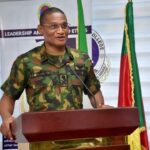
Speaking at the end of the course, the Directo General of the institute Dr Thadeus Udofia said Nigeria’s vast maritime resources would not translate into sustainable socio-economic prosperity without fundamental reforms in logistics, trade facilitation and related infrastructure.
Dr Udofia said the three-day programme provided participants with an opportunity to examine critical operational challenges affecting the maritime and logistics sectors, including inefficiencies, delays, high transaction costs, bureaucratic bottlenecks, inter-agency rivalry and weak intermodal connectivity.
According to him, these challenges continue to undermine Nigeria’s competitive advantage and raise the cost of doing business, with serious implications for trade, investment and economic growth.
The course also focused on multimodal integration, modern customs processes, port operations and the need to develop seamless transport networks capable of connecting different modes of transportation and facilitating the movement of goods efficiently.
The institute further highlighted weaknesses across Nigeria’s maritime value chains, particularly infrastructure gaps affecting fisheries, aquaculture and other areas of the blue economy.
It stressed that the development of Nigeria’s blue economy could not be achieved by a single institution or sector, but would require sustained collaboration among government agencies, security organisations, port authorities, regulators, investors and private-sector operators.
The institute described the blue economy as an immediate economic opportunity rather than a distant frontier, noting its importance to industrialisation, job creation, regional integration and Nigeria’s participation in the African Continental Free Trade Area.
It warned that Nigeria risked losing trade and investment opportunities to competing regional economies if its transit times remained uncompetitive, logistics costs continued to rise and trade processes remained insufficiently transparent and digitised.
The institute said inefficiencies along the logistics chain could ultimately increase the prices of goods and services while undermining national economic development.
To reverse the trend, it called for synchronised inter-agency action involving the Nigeria Customs Service, port authorities, security agencies, regulators, investors and private logistics operators.
Participants were urged to become change agents in their respective organisations by promoting data sharing, digital transparency and practical reforms capable of reducing transaction costs and delays across the logistics and trade value chain.
The institute also urged participants to translate the strategies and knowledge acquired during the course into actionable policies aimed at lowering the cost of doing business in Nigeria.
It emphasised that trade facilitation should go beyond customs procedures to encompass the creation of an efficient ecosystem where businesses can trade with confidence, investors can operate effectively, government can collect legitimate revenue, and Nigerian ports and maritime corridors can compete successfully in the global economy.
The institute called for renewed efforts to reduce unnecessary delays, lower logistics costs, improve import and export efficiency, strengthen regulatory coordination and accelerate the adoption of technology and innovation across the maritime sector.
It also urged participants to maintain the professional networks established during the programme, stressing that stronger institutional relationships would be critical to achieving effective collaboration within the maritime industry.
The institute expressed appreciation to the Chief of the Naval Staff, Vice Admiral Idi Abbas, the governing authorities of the institute, consultants and resource persons for their support and contributions to the success of the programme.
Participants from 24 organisations took part in the executive course.
The institute said the real measure of the programme’s success would not be the certificates presented to participants but the practical improvements they would contribute to within their respective organisations.
It reaffirmed its position as a centre of excellence for research, capacity development and policy advocacy across the maritime sector, including the emerging blue economy.