Follow Us on Google

•50% cite regulatory squeeze •87.5% use AI for fraud detection
From Adanna Nnamani, Abuja
About 62.5 per cent of Nigerian fintech companies are looking beyond the country’s borders as tougher domestic regulations reshape growth strategies.
This is contained in the 2025 CBN Fintech Report, released by the Central Bank of Nigeria (CBN), which assessed the state of Nigeria’s digital finance ecosystem through industry surveys, stakeholder workshops and policy engagements.
The findings further reveal that half of fintech operators now view Nigeria’s regulatory environment as restrictive, largely due to licensing delays, unclear guidelines and inconsistent application of rules.
This has pushed many to explore regional expansion across Africa.
Despite the headwinds, innovation remains strong, with most firms leveraging technology, as 87.5 per cent report deploying artificial intelligence to strengthen fraud detection, compliance and operational resilience across the fast-evolving fintech sector.
According to the report, while Nigeria remains one of Africa’s most vibrant fintech hubs, operators are increasingly looking beyond the country’s borders to scale, citing market size, cross-border opportunities and demand for digital financial services across the continent.
The report noted that regulatory timelines have become a major drag on innovation, with over one-third of fintech operators saying it takes more than 12 months to bring a new product to market, mainly because of compliance and approval processes.
Compliance costs were also flagged as a major pain point, as 87.5 per cent of fintech firms said regulatory and risk-related expenses significantly affect their capacity to innovate and scale.
Despite the challenges, Nigerian fintechs continue to adopt technology aggressively, particularly in the fight against fraud. The report revealed that 87.5 per cent of fintech firms already deploy artificial intelligence (AI) for fraud detection, making it the most common use of AI across the sector.
Other AI applications highlighted include customer service chatbots, credit scoring and customer onboarding, reflecting a growing shift towards automation and data-driven decision-making in Nigeria’s digital finance space.
The CBN noted that Nigeria’s fintech ecosystem has grown rapidly over the past decade, supported by early adoption of real-time payments infrastructure, with nearly 11 billion transactions processed in 2024, up from about 5 billion in 2022.
The report also pointed out that more than 25 per cent of all electronic transactions in Nigeria are now processed through real-time payment channels, positioning the country as one of the global leaders in instant payments.
Other News
On financial integrity, the apex bank acknowledged Nigeria’s past reputational challenges linked to digital fraud but highlighted recent progress, including stronger anti-money laundering (AML) supervision and the country’s exit from the FATF grey list, which has helped restore international confidence.
To address regulatory friction, the CBN proposed streamlining approval processes, improving regulatory clarity and deploying supervisory technology to reduce compliance burden and shorten time-to-market for fintech products.
The report further revealed strong appetite for deeper regulator–industry collaboration, with 75 per cent of fintech firms calling for regular engagement platforms, while 100 per cent expressed willingness to participate in regulatory sandboxes and policy pilots.
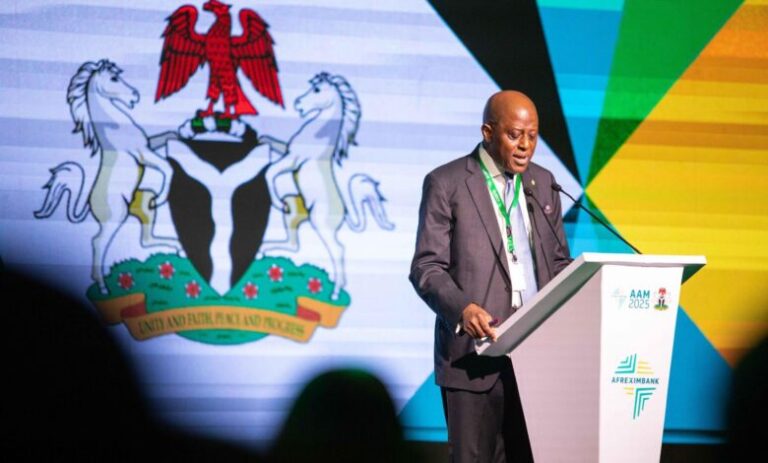
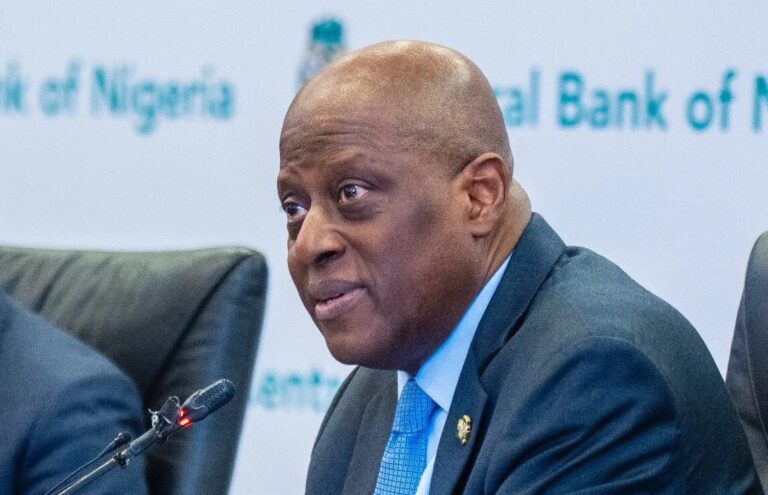
Reacting to the findings, the Governor of the Central Bank of Nigeria, Mr. Olayemi Cardoso, acknowledged the concerns raised by industry players, noting that the apex bank is aware of the pressure regulatory processes place on innovation.
Cardoso said Nigeria’s fintech sector has grown from a handful of startups to one of Africa’s most vibrant innovation ecosystems over the past decade, adding that even amid global economic challenges, the nation’s fintech firms continued to attract investment and transform lives.
He stressed that the report reflects the CBN’s commitment to fostering a thriving fintech landscape while safeguarding the stability of the financial system.
He said: “As Governor of the Central Bank of Nigeria (CBN), I have witnessed first-hand the transformative power of digital finance to broaden economic participation, create meaningful
employment, and improve the lives of millions of Nigerians. It is for this reason that the CBN is intent on seizing our nation’s unique opportunity to harness fintech innovation for national development. Nigeria is undergoing a rapid and significant financial evolution. Over the past decade, our nation’s fintech landscape has grown from a handful of startups into one of Africa’s most vibrant innovation ecosystems. Even amid global economic headwinds, Nigerian fintech firms continued to attract investment and drive change. Today, with improved stability of our currency and domestic economy, it is clearer than ever that financial innovation can advance inclusion at scale.
“This report reflects the Central Bank’s commit-ment to fostering a thriving fintech landscape while safeguarding the stability of our financial system. It is the product of extensive engagement between regulators and industry stakeholders. By surveying fintech operators, financial institutions and policymakers, we have gathered candid insights on what is working, what is not, and where we can do better. The findings illuminate both our progress and the gaps we must address, from modernising regulatory frameworks and payments infrastructure to supporting startups in reaching Nigeria’s
“The report is careful to contextualise Nigeria’s fintech journey within global trends, remind-ing us that we are part of a rapidly evolving digital finance
landscape that offers immense opportunities as well as new risks.For the CBN, innovation is a strategic imperative. We are committed to creating an environment where new ideas can flourish under prudent oversight, and where inclusion is at the heart of our endeavours. Fintech must help deliver financial services to the last mile of our population, from the bustling cities to the rural villages, so that no Nigerian is left behind in the digital economy.
“As we embrace new technology, it is our responsibility to uphold the integrity of the financial system, maintaining strong governance, consumer protection, and risk management so that trust in our institutions remains firm.
“I am confident that the insights and recommendations in this report will guide us towards a stronger, more inclusive financial future. The Central Bank will further study the perspectives gathered, and we will continue to collaborate with the industry to refine our policies. This collaborative spirit, government and innovators working together, is the cornerstone of sustainable fintech development. Our goal is to strike the right balance: encouraging the creativity that sparks growth while ensuring robust measures that guarantee stability and public confidence.”