Follow Us on Google
Nigeria is 66, but for millions of its citizens, hopes of owning a decent home have evaporated. From the modest housing schemes of the post-independence era to today’s sprawling estates, luxury apartments and multi-billion-naira property developments, the country’s built environment has changed dramatically.
Yet, beneath that transformation lies a persistent contradiction of Nigeria building more cities, estates and properties than at any previous point in its history, yet the supply of formal, affordable and adequately serviced housing has consistently lagged behind the needs of its growing population. The result is a sector that has expanded enormously in economic and financial importance while continuing to grapple with housing shortages, high construction costs, inadequate infrastructure, limited mortgage finance, insecure or cumbersome land administration and uneven enforcement of planning and building standards.
Six decades of government policies, housing programmes and financial interventions have failed to close the gap between housing supply and demand.
In May this year, the Lagos State Government raised concerns over Nigeria’s deepening housing crisis, warning that the country’s effective housing deficit could rise to nearly 28 million units in the coming years if urgent interventions are not sustained.
The State Commissioner for Housing, Moruf Akinderu-Fatai, raised the alarm during the Ministerial Press Briefing marking the seventh anniversary of Governor Babajide Sanwo-Olu’s administration.
Akinderu-Fatai said findings by the National Housing Data Technical Committee, inaugurated by the Federal Ministry of Housing and Urban Development, put Nigeria’s official housing deficit at 14.925 million units.
According to him, the situation is more severe because an additional 15.2 million homes nationwide have been identified as structurally defective or substandard, bringing the country’s effective housing shortage close to 28 million units.
He noted that the growing deficit poses serious threats to urban development, economic growth and social stability, particularly in rapidly expanding cities such as Lagos.
As Nigeria’s cities expand, high land costs, expensive materials and limited mortgage finance continue to shut millions out.
Tracing the sector from 1960 to the present shows that its development has been closely tied to the evolution of Nigeria’s economy and government policy. The post-independence expansion of public housing; the oil boom and establishment of the Federal Housing Authority in the 1970s; the 1978 Land Use Act; the development of mortgage institutions and the National Housing Fund; the liberalisation and expansion of private-sector development from the 1990s; the commercial real estate boom of the 2000s; and the inflation, currency pressures and construction-cost increases of the 2020s.
At each stage, government policy has attempted to solve the same fundamental problem in different ways, such as how to make land available, mobilise long-term finance and increase the supply of decent housing, while private developers have increasingly become the principal engine of property construction.
The sector today is consequently far more sophisticated than it was at independence, but its transformation has not eliminated the structural constraints that have shaped it for decades.
The story of Nigerian real estate since 1960 is, therefore, not simply one of expansion. It is the story of a country building faster, urbanising faster and demanding more property than its institutions, infrastructure and housing-finance system have consistently been able to support.
Historical review
Nigeria’s building, property and real estate sector has travelled a long and often difficult road since independence in 1960. From a largely government-led housing system serving a rapidly urbanising population, the sector has evolved into a broad industry involving private developers, construction companies, estate surveyors, architects, engineers, mortgage institutions, banks, investors, facility managers and millions of individual property owners.
Its history has been shaped by population growth, rural-urban migration, oil wealth, land laws, government housing policies, access to finance, infrastructure development and the changing role of the private sector.
At independence, Nigeria’s urban centres were relatively small compared with today. Housing development was largely influenced by government programmes, regional authorities, employers and traditional landholding systems. The country inherited a complicated land administration structure in which customary tenure existed alongside formal statutory arrangements.
The National Bureau of Statistics (NBS) later noted that the dual system created overlapping claims and contributed to disputes over land ownership and transfers.
In the first decade after independence, government housing programmes concentrated largely on civil servants, workers and urban residents. Housing corporations and regional authorities became important players in the construction of estates and provision of serviced land.
The situation changed dramatically in the 1970s. The oil boom generated higher government revenues, encouraged rapid urbanisation and increased construction activity. Lagos, Port Harcourt, Kaduna, Kano, Ibadan and other major cities expanded rapidly, while Abuja was established as the new Federal Capital Territory.
The Federal Housing Authority (FHA) was established in 1973 under Decree No. 40. Its mandate included planning and executing national housing programmes and constructing houses, schools, commercial buildings and other facilities.
The same period also produced a major institutional development in housing finance. The Federal Government acquired the Nigerian Building Society following the 1973 indigenisation policy and renamed it the Federal Mortgage Bank of Nigeria (FMBN).
Under subsequent legislation, the bank was given responsibilities covering mortgage finance and the development of mortgage institutions.
Perhaps the most consequential land reform came in 1978 with the Land Use Decree, now known as the Land Use Act. The law sought to unify Nigeria’s different land tenure arrangements by vesting land in each state in the Governor, to hold it in trust for the people. The reform was partly a response to increasing disputes over land titles and the difficulties created by different systems of land ownership. It also came at a time when rapid urbanisation was increasing pressure on land.
The Land Use Act became a defining feature of the property market.
While it created a common legal framework for land administration, the requirement for government consent in certain land transactions and the processes involved in obtaining titles and development rights have remained important issues in property development.
The 1980s brought economic difficulties, structural adjustment and reduced public resources. Government housing ambitions faced financial constraints, while private construction became increasingly important. Mortgage finance, however, remained relatively shallow, limiting the ability of ordinary Nigerians to purchase homes through long-term loans.
A major change came with the Mortgage Institutions Decree of 1989, which created the framework for Primary Mortgage Institutions (PMIs) and strengthened FMBN as the apex mortgage institution.
In 1991, Nigeria introduced its first National Housing Policy. Its stated ambition was to ensure that Nigerians had access to decent, safe and sanitary housing at affordable cost. The policy represented a recognition that the government alone could not solve the country’s housing problem and that housing finance, private-sector participation and mortgage development were essential.
The National Housing Fund (NHF) followed in 1992 through Act No. 3. The scheme was designed to mobilise long-term funds for housing and make loans available for building, purchasing or improving homes. Under the original framework, eligible workers contributed to the fund, while banks, insurance companies and the government were also expected to provide funding.
FMBN subsequently assumed responsibility for administering the NHF. Its mandate included mobilising funds, supporting mortgage institutions and linking the capital market with housing finance.
The 1990s also witnessed the gradual emergence of a stronger private property market. As economic activity expanded and urban populations increased, residential estates, office buildings, shopping complexes, hotels and industrial properties became increasingly attractive to investors.
Lagos, in particular, began to experience sustained private-sector property development beyond traditional residential neighbourhoods. Areas such as Victoria Island, Ikoyi, Lekki and Ikeja increasingly attracted commercial and high-end residential developments. Abuja also emerged as a major property market following the relocation of the seat of government.
The return to democratic government in 1999 created another period of rapid urban and infrastructure development. Telecommunications expansion, banking-sector growth, increased oil revenues and rising private investment generated demand for offices, shopping centres, residential estates and other commercial properties.
The 2000s, therefore, witnessed the growing professionalisation of Nigeria’s real estate industry. Estate surveying and valuation, property development, facility management, mortgage lending and real estate investment became more prominent. Developers increasingly adopted estate schemes, gated communities and mixed-use developments.
However, the sector continued to face fundamental constraints of inadequate infrastructure, expensive construction materials, limited access to long-term finance, high interest rates, land-title problems, lengthy approval processes and weak enforcement of planning and building regulations.
The Federal Government introduced the National Building Code in 2006 as part of efforts to improve standards in building design, construction and safety. The building code sought to provide minimum standards across the construction process and address problems associated with poor construction practices and building failures.
By this period, the housing problem had also become increasingly connected to Nigeria’s rapid urbanisation. The growth of cities outpaced the supply of formal housing, contributing to overcrowding, informal settlements and expansion into peri-urban areas.
The World Bank has noted that Nigeria’s formal housing sector has historically produced only a fraction of the number of homes required annually. Its analysis estimated annual housing requirements running into hundreds of thousands of units as population growth and urbanisation continued.
The 2010s brought further attempts to reform the industry. The National Housing Policy of 2012 sought to strengthen housing delivery, encourage private-sector participation and broaden access to housing. The policy also gave the FHA a wider role in commercial real estate development, provision of sites and services and housing for different income groups.
New era
One of the most important financial-sector developments came in 2013 with the establishment of the Nigerian Mortgage Refinance Company (NMRC), backed by the Federal Government, the private sector and development partners. Its objective was to improve the liquidity available to mortgage lenders and help develop a more sustainable mortgage market.
The idea was that mortgages are long-term loans, while banks generally rely heavily on shorter-term deposits.
A refinancing institution could provide longer-term funding to mortgage lenders, allowing them to offer more sustainable home loans.
Other News
The property market nevertheless remained largely cash-driven. For many Nigerians, purchasing a house continued to depend on personal savings, family resources, informal financing or outright cash payment rather than conventional mortgages.
The 2014–2015 oil-price collapse exposed another weakness. Lower government revenues affected public construction and infrastructure spending, while currency depreciation increased the cost of imported building materials and equipment.
Construction costs rose further as cement, steel, roofing materials, fittings and other inputs became more expensive. Developers responded by adjusting designs, reducing project sizes, delaying construction or passing additional costs to buyers and tenants.
Enter the recession
The recession of 2016 added pressure. Yet property development did not stop. Nigeria’s expanding population, continuing urbanisation and demand for commercial space ensured that real estate remained an important investment destination.
The 2020 COVID-19 pandemic introduced another major disruption. Construction activity and property transactions slowed during lockdowns, while demand for office space was affected by changes in working patterns. At the same time, demand for residential property continued in many urban areas, and the pandemic accelerated interest in digital property transactions and remote working.
Post-COVID horror
After the pandemic, the sector entered a period of severe cost pressures. Inflation, exchange-rate volatility, higher interest rates, rising transport costs and escalating prices of construction materials made new housing increasingly expensive.
Nigeria’s housing challenge consequently became not simply a question of the number of houses available, but also whether the houses being built were affordable to the majority of the population.
The World Bank has estimated Nigeria’s housing deficit at about 17 million units in recent assessments, while noting that millions of Nigerians live in poor housing conditions and that rapid urbanisation is driving the expansion of informal settlements.
The distinction between “housing deficit” and “affordable housing” is important. A house may technically add to housing supply but remain financially out of reach for low- and middle-income households.
By the 2020s, Nigeria’s real estate industry had become one of the country’s major economic activities. It now covers residential housing, commercial property, retail, offices, industrial warehouses, hospitality, land development, property management and related professional services.
The NBS classifies real estate as a distinct economic activity under Section L, Division 68 of the international industrial classification system. It measures real estate services largely through fees and commissions generated from services rendered.
The construction industry is separately measured and covers activities ranging from building construction to civil engineering and specialised construction. Its inputs include cement, blocks, metals, sand, stone, wood, gravel and fuel, among others.
The sector has also become an important contributor to national output.
According to the NBS, construction accounted for 4.85 per cent of Nigeria’s real GDP in the first quarter of 2026, up from 4.74 per cent in the corresponding quarter of 2025.
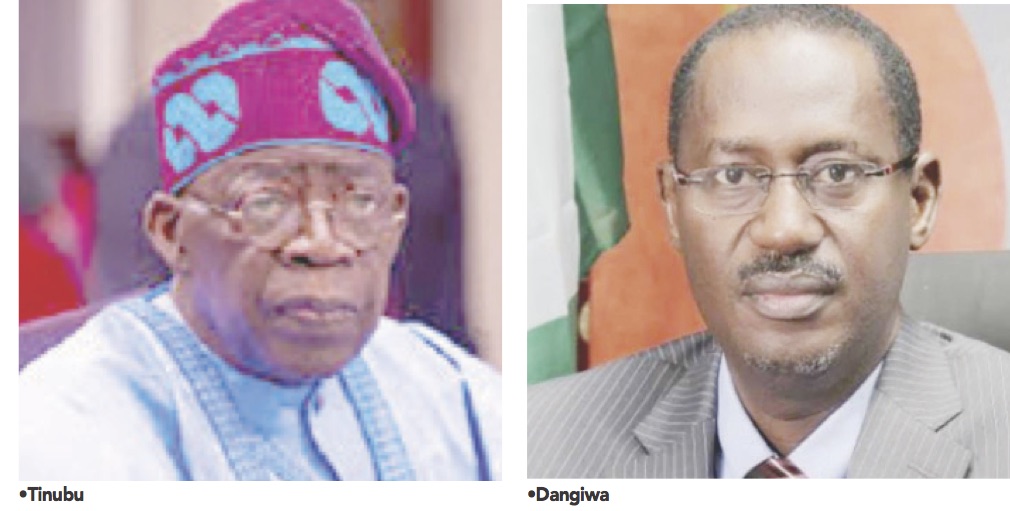
The Tinubu administration has subsequently placed housing and urban development among its economic priorities. The Federal Government has moved from the previous National Housing Programme towards the Renewed Hope Housing Agenda, which emphasises planned cities and estates, private-sector participation, innovative financing and broader housing delivery.
The sector is also moving towards greater regulatory attention. In 2026, the Federal Government convened stakeholders to validate proposals covering national housing data and regulation of the built environment. The proposed reforms include stronger regulation of developers and estate agents, escrow arrangements to protect buyers’ funds, improved professional standards, better land administration and stronger construction-quality controls.
The government has also been reviewing the legal framework governing the sector, including the Land Use Act of 1978, the National Housing Fund Act of 1992, the FMBN establishment legislation and the FHA Act.
Stakeholders’ comments
According to Chief Innocent Merckson Okoro, Principal Partner MI Okoro and Associates, the Nigerian property market is driven by a strong, persistent housing deficit and high demand in urban centers like Lagos, Abuja and Port Harcourt.
He noted that investors are shifting toward income-generating assets (rental income) rather than speculative land banking due to inflationary pressures.
“Property values are projected to grow between 20 per cent and 35 per cent in many segments. Specific high return on investment (ROI) areas include short-let apartments (15–30 percent returns) and land appreciation (20–40 percent) in fast-developing corridors”.
“Relatively, we can say that about 800–1,000 people migrate into Lagos daily, creating a persistent, high demand for accommodation. Similar percentages are noticed in Abuja and lesser in Port-Harcourt. “Although demand is much like that, some factors inhibit efforts by operators to bridge the deficit. The research showed that over the period of 2026-2031, the market is expected to exhibit a compound annual growth rate (CAGR) of 3.15 percent, resulting in a market volume of US$2.83tn by 2031. It is expected that when compared globally, China is projected to generate the highest value in the Real Estate market sector, amounting to US$133.2tn in 2026.
“It is believed that high inflation and FX volatility are forcing a shift toward data-driven and income-focused investments thereby increasing interest from the diaspora and driving demand for high-end, secure properties. “That has increasingly forced capital to flow into areas with improving infrastructure, boosting property prices in those locations”, he said.
In his assessment of the market, Mr. Akin Opatola the immediate Past President FIABCI Nigeria Chapter, said the visible residential market is mostly made of flats and apartments, detached houses, semi-detached houses, terrace houses, duplexes, gated-estate homes and serviced plots.
“The largest share of realistic foreign-buyer supply in Nigeria is apartments and flats, especially in Lagos and Abuja, because apartments are easier to rent, manage, secure and verify than bare land. Apartments became so common in Nigeria because urban land is expensive, Lagos and Abuja are dense, developers want higher unit counts and many buyers prefer gated buildings with power, security and basic management. “As of 2026, a realistic average days-on-market for a residential property in Nigeria is about 120 to 180 days, with Lagos and Abuja moving faster than most other cities. Most typical residential listings in Nigeria sit on the market for about 60 to 120 days for well-priced mid-market flats, 180 to 360 days for prime luxury homes, and 180 to 365 days for land or off-plan units with complex title checks.
“This is slower than one or two years ago because high interest rates, inflation pressure, naira uncertainty and cautious buyers have made Nigeria property transactions more negotiation-heavy in 2026. The real estate market transitioned from rapid price escalation into a phase of high-level stabilization and consolidation, heavily constrained by elevated interest rates and affordability pressures,” he said.
For Godwin Alenkhe, National President Estate Rent and Commission Agents Association of Nigeria (ERCAAN), Property prices are rising due to a combination of severe housing deficits, high inflation, and currency devaluation. Explosive demand from rapid urbanization in cities like Lagos and Abuja far outpaces supply, while escalating costs of imported building materials and high financing rates help to drive up developers’ construction budgets. Some factors downplaying the efforts of the operators in meeting the demands as earlier stated included but not limited to inflation and currency depreciation whereby high inflationary pressures mean construction costs rise, and the depreciation of the naira makes imported materials (steel, finishing products) far more expensive, increasing the overall cost of construction. Another one is the rising cost of construction materials where key input costs, particularly cement, have soared very high to averagelyN1, 300 per 50kg bag thereby forcing developers to increase the price.
“Providently, because most developers borrow from banks and mortgage houses, the moment cost of finance or mortgage is high, it will automatically affect the cost of production and consequently resulting in increasing cost of properties. High inflation has led to higher lending rates from banks, increasing the cost of financing for developers and interest rates for mortgages. The high cost of acquiring land, along with slow and expensive processes for obtaining land titles (like Governor’s Consent), contributes to high, sometimes speculative, prices. Again, cities like Lagos, Abuja, and Port Harcourt are experiencing intense competition for space, pushing price of properties up in prime locations like Ikoyi, Lekki, and Victoria Island in Lagos. “From Lagos to Abuja, Port Harcourt to Kano, the story is the same because homes are more expensive today than they were just a year ago. The truth is that rising property prices are not random. They are driven by several interconnected forces which include skyrocketing building material costs, higher mortgage and financing rates, and persistent inflation combined with naira depreciation. Understanding these drivers helps homebuyers and investors make smarter choices and decisions,” he said.
Chief Obiora Okeke, a property developer within Ayobo axis of Ogun State noted that prices and rents largely flattened compared to the massive spikes of previous years, though remaining at historically high levels. This he said could be attributed to the escalating economic hardship in the country.
According to him, persistent inflation and high financing costs severely tested buyer and tenant budgets globally and locally. “Modest inventory recovery provided slightly more negotiating room for selective buyers. Middle-income housing in well-connected suburbs has remained resilient due to ongoing urban deficits and this is unattended to making the sector very volatile.
“High borrowing expenses led to cautious corporate expansion and slower commercial activity. A lot of citizens are looking for accommodation but because there is no financial ability to match the increasing property prices, these properties remain unoccupied. Another factor that aids price increase is poor infrastructure in new developing sites. Areas tied to major transport or infrastructure projects outperformed speculative locations.
“As of 2026, most residential properties in Nigeria’s major cities are closing around 85 per cent to 95 per cent of asking price, which means a normal buyer often negotiates 5 percent to 15 percent below the listed price.
“We estimate that fewer than 10 per cent of Nigeria residential sales close above asking, while most close below asking and our confidence is moderate because Nigeria does not publish a complete national sale-price registry. The Nigerian homes most likely to attract near-asking or above-asking offers are scarce flats and houses in Ikoyi, Banana Island, Victoria Island, Maitama, Asokoro, Lekki Phase 1, Wuse 2 and the best gated estates in Abuja”, he said.
Hope on the horizon
In housing finance, FMBN announced in July 2026 that its National Mortgage Registry had reached the deployment stage. The registry is intended to create a central digital repository for mortgage transactions and improve transparency and risk management in the mortgage market.
Yet, despite six decades of policies, institutions and private investment, Nigeria’s central housing challenge remains unresolved.
The country has moved from government-dominated housing delivery to a mixed system in which private developers now play a major role.
But the pace and type of development have not fully matched the needs of a rapidly growing and increasingly urban population.
The industry, therefore, stands at an important point in its history. Nigeria has a large population, expanding cities, growing demand for homes and commercial property, a substantial construction industry and an increasingly sophisticated professional real estate market.
Its next phase will depend heavily on whether the country can make land more accessible, strengthen planning and building control, expand affordable mortgage finance, reduce construction costs, improve infrastructure, protect property buyers, strengthen housing data and create conditions under which private developers can build at scale for different income groups.
From the modest housing programmes of the early independence years to today’s large private estates, high-rise developments, shopping centres, industrial parks and planned cities, Nigeria’s property sector has changed profoundly.
But the history of the sector also shows a recurring pattern that demand has consistently grown faster than formal supply. Closing that gap, not merely constructing more expensive properties, will remain one of the defining challenges for Nigeria’s building, property and real estate industry in the years ahead.