Follow Us on Google
By Doris Obinna
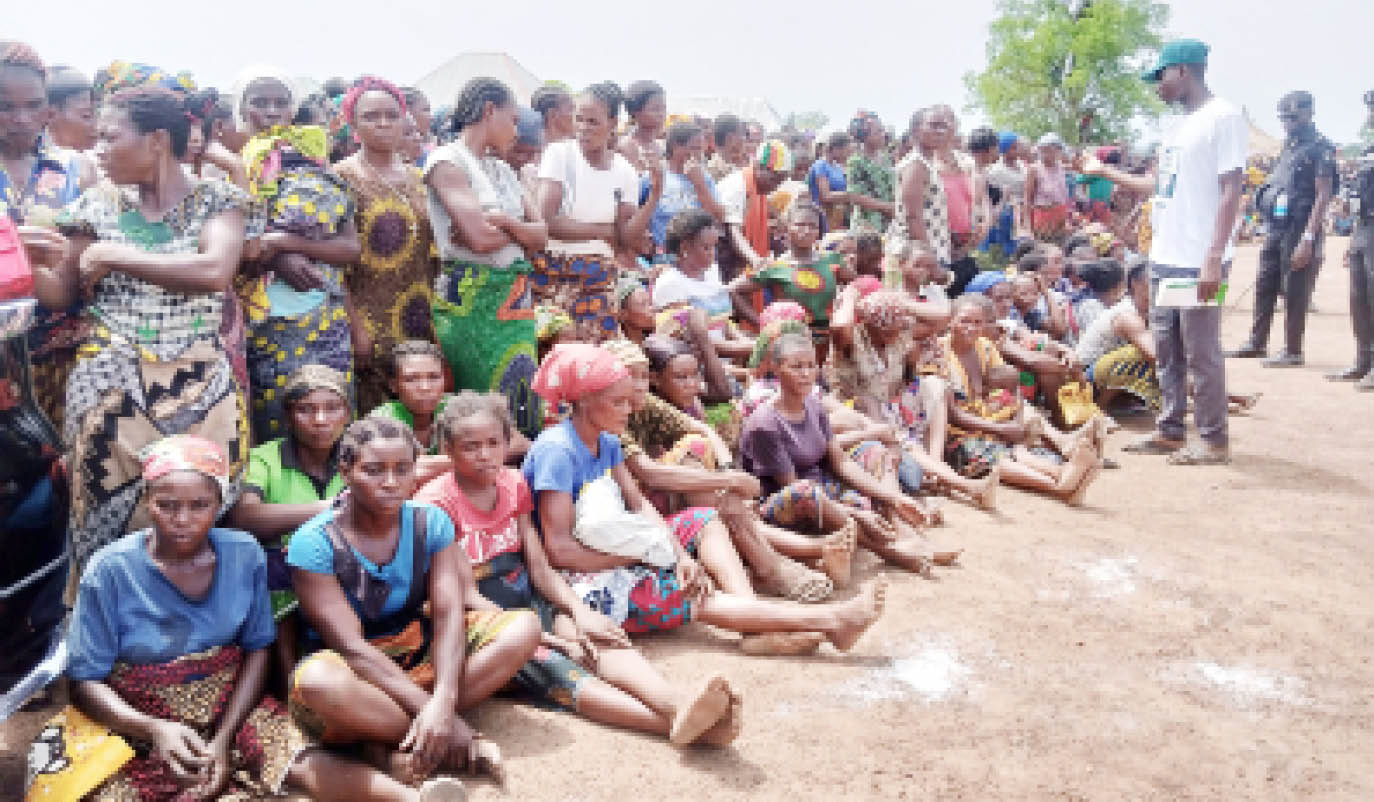
The Federal Government and the United Nations have declared that Nigeria’s internal displacement crisis must no longer be managed as a humanitarian burden but transformed into an economic opportunity, urging a decisive shift to private sector–led investment to unlock the potential of more than 3.5 million displaced citizens.
The call was made in Lagos at the two-day conference themed: “Securing Futures: Market-Based Solutions to Internal Displacement,” was convened in collaboration with UK International Development and Tropical General Investment Group.
Participants at the conference agreed that while humanitarian assistance has saved lives, displacement must not become a permanent condition. They stressed that creating functional markets, revitalising local economies and expanding employment opportunities are essential to enabling displaced Nigerians to rebuild their lives with dignity.
Speaking, the United Nations Resident Coordinator in Nigeria, Mohamed Fall, described the country’s displacement crisis as both a national emergency and part of a wider global challenge. “Displacement is not only about movement. It is about loss, loss of home, loss of routine, loss of dignity. But it is also about resilience.”
According to him, millions across the Northeast, Northwest, North Central and Middle Belt regions have fled violence and instability. Although more than 2.6 million people have returned to their communities, many remain unable to fully recover. He noted that women and girls bear a disproportionate burden, facing disrupted education and limited access to livelihoods, while many young men struggle to secure employment.
Fall argued that the time has come to move beyond aid dependency. “These Nigerians are not victims. They are entrepreneurs, farmers, students and leaders. Investment in displaced communities is not charity. It is smart economics. It is an investment in stability,” he said.
Other News
He urged businesses to see opportunity in sectors such as agriculture and post-harvest processing, renewable energy, irrigation, financial inclusion and digital innovation, adding that Nigeria’s growing fintech and agribusiness sectors present pathways for integrating displaced persons into value chains at scale.
Representing the Vice-President, Sen. Kashim Shettima, retired General Cristobal Gwabimusa described economic inclusion as a strategic national priority, warning that Nigeria cannot afford to leave millions of capable citizens economically excluded. He said unlocking their productivity is not only a moral imperative; it is an economic necessity. Sustainable peace cannot be built on relief alone.
He cited the Federal Government’s Renewed Hope development agenda, which prioritises economic diversification, private sector–led growth and climate resilience, stressing that security gains must be reinforced by sustained investment in fragile regions.
While acknowledging that humanitarian interventions have saved lives, Gwabimusa said long-term stability requires livelihoods, skills and productive assets. When displaced persons earn sustainable incomes, he noted, they become producers, customers and contributors to national development.
“Investing in these communities is not corporate social responsibility; it is smart business that strengthens supply chains, expands markets and builds national cohesion,” he said.
Cynthia Rowe of the British High Commission said the private sector stands to benefit from new markets and untapped talent, highlighting the role of development partners in de-risking investments through guarantees, blended finance and support for small enterprises.
“There are returns in every direction you look. This builds communities, regions and the whole of Nigeria,” she said.
Participants stressed that the conference must translate into concrete commitments, pilot projects and structured public-private partnerships capable of delivering measurable results. For millions of displaced Nigerians still living in camps or host communities, speakers said the stakes remain high. Most, they emphasised, do not seek handouts but opportunities, work, education, healthcare and the means to rebuild their futures.