Follow Us on Google
From Uche Usim, Abuja
A push towards overcoming terrorism, drugs, human trafficking and other crimes in Nigeria and Africa was made on Monday, when the Nigerian Civil Aviation Authority (NCAA) hosted global experts who attended the National Consultative Workshop on Countering Terrorist Travel Programme coordinated by the United Nations Counter-Terrorism (UNCT) Executive Directorate.
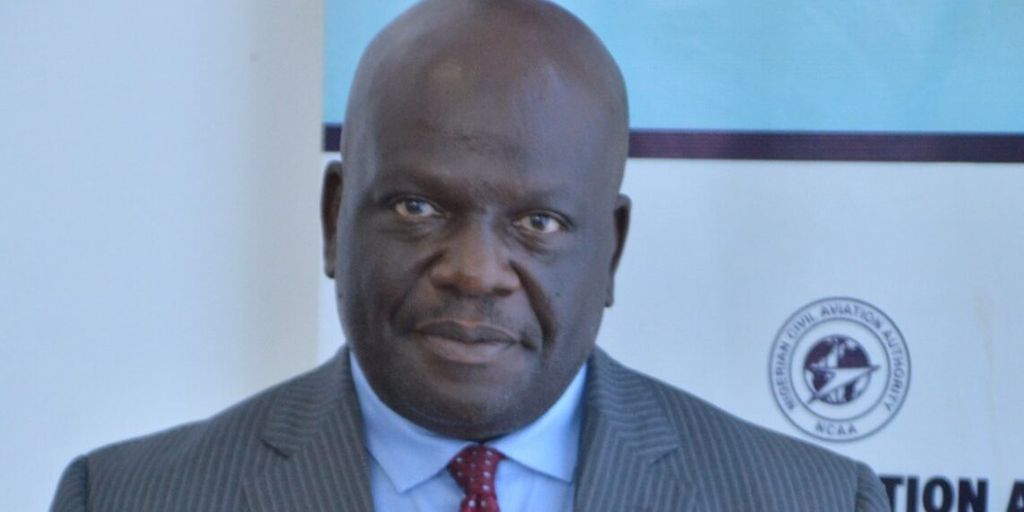
Speaking at the opening session of the event, the Director General of NCAA, Capt Musa Nuhu, described the meeting as most timely, since Nigeria was already battling grave security challenges like terrorism and banditry, which require huge global support to tackle.
According to him, the NCAA, the Interpol, UNCT and other relevant global security and intelligence agencies will share information on the Advance Passenger Information (API) and Passenger Name Record (PNR), being two technical responses to streamline traveller identification management and facilitate border management.
This, he explained, meant that passenger travel details are shared in advance by relevant stakeholders worldwide and the movements of terrorists and other criminals, whether on land, sea or air, are tracked.
“The API is the outcome of several United Nations Security Council resolutions, about four or five of them. It involves various security agencies working together; the industry stakeholders, both public and private, all coming together to put our heads together and come up with this API. What it does, it identifies potential criminals and terrorists, illicit drug trade, illicit human trading, trafficking, and it does have a lot to do improving with facilitation through the documentations.
“This is a global initiative. So, it involves various agencies, Customs, Immigration, other security agencies, NCAA etc. So, it’s a collective thing.“We’re facing certain security challenges and you need to know how to control your borders; you need to know who is coming in and going out of your country. So, that’s number one advantage. The API also helps with facilitation, delays, and passenger processing”, Nuhu explained.
In her remarks, Marguerite Marie Carpenter, Programme Manager, UNCT, said the countering terrorist travel programme remains a strategic response to the threat of terrorism globally, where terrorists cross international borders using different modes of transportation.
“So, this can be the airline industry, this can be maritime, this can be trains. And our goal is to support countries that take the passenger data at the time of when the passenger either checks in or they’re crossing the border to make sure that this data is taken, and then analyzed and cross checked against international and national databases of watch-listed individuals. “And so the support we provide is comprehensive. It’s in line with the United Nations Security Council resolutions that were passed.
There are a couple of different ones in 2017, and notably in 2019. And the support we provide is under four different pillars. “There’s the legal pillar, where we support countries to develop the national legal framework to be able to collect and analyze passenger data for counterterrorism and to prevent serious crime purposes, there is the operational pillar.