Follow Us on Google

•Lagos airport leads continent’s top 10
Nigeria posted the fastest seat-capacity growth of any country in Africa in November, as its domestic market expanded and Lagos airport moved up the continent’s rankings.
According to November data published by OAG Aviation Worldwide, which tracks scheduled seats across the African market, Nigeria is the fastest-growing airline market in Africa. Scheduled seat capacity in the country rose 25.3 per cent year-on-year to 1.30 million seats in November 2026, according to OAG scheduled capacity data and the organisation said the growth was driven mainly by domestic travel. The domestic market grew 29.1 per cent to 0.98 million seats, which means roughly three in four of Nigeria’s seats are now on domestic routes while the remaining 0.32 million seats are international.
The growth puts Nigeria ahead of every other country in the top 10. Egypt remains the largest capacity market on the continent with 3.2 million seats, up 9.8 per cent, followed by South Africa at 2.36 million seats, which fell 2.0 per cent, and Morocco at 2.05 million seats, up 9.1 per cent. Nigeria’s 25.3 per cent gain is the fastest among those top 10 markets, well ahead of the others.
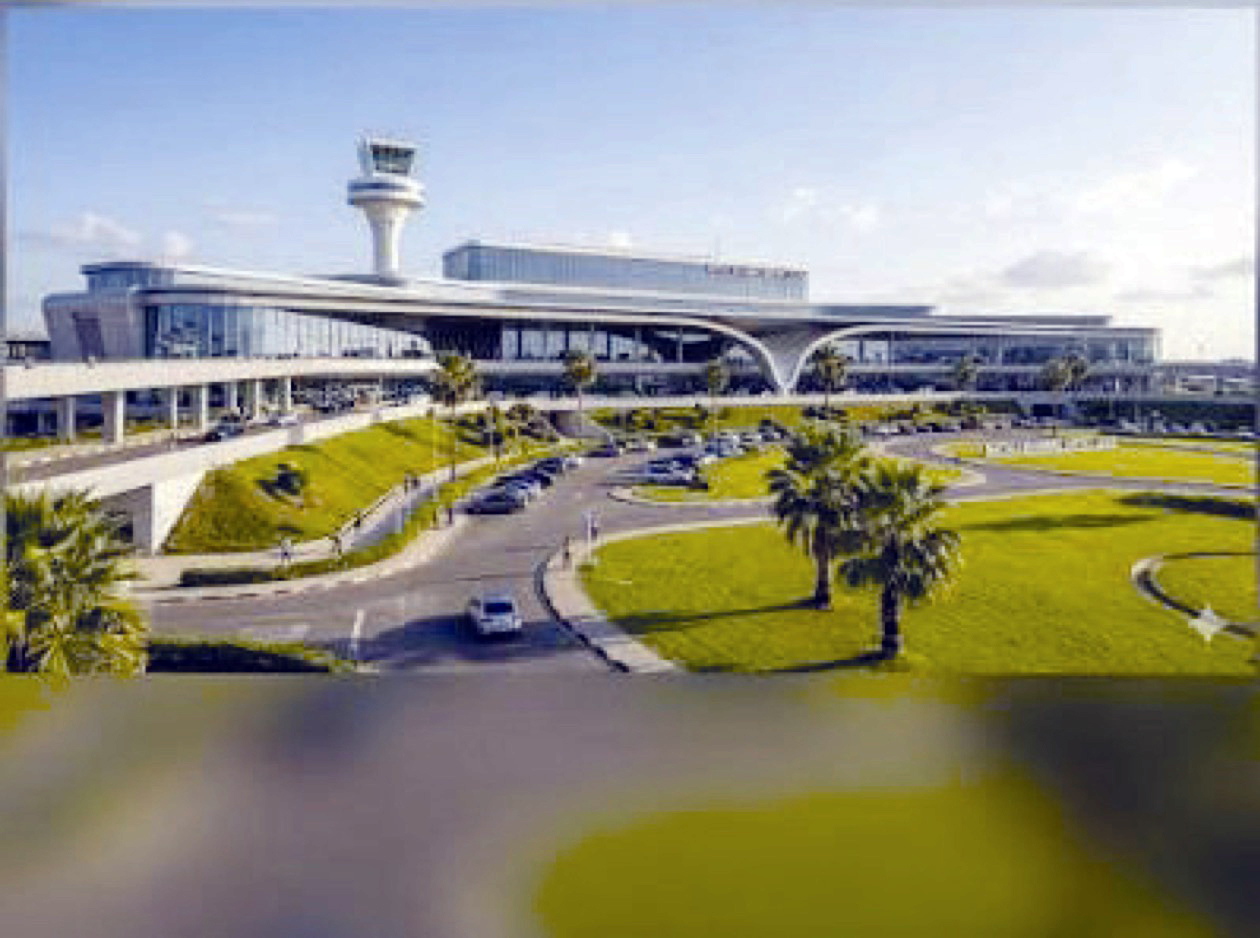
The growth is visible at airport level too. Lagos airport grew 18.6 per cent, the strongest result among the continent’s top 10 airports. Casablanca followed at 17.2 per cent. Lagos’s growth was faster than Cairo’s, which is the busiest airport in Africa this November with 1.74 million seats, up 10.1 per cent. Addis Ababa is second with 1.17 million seats, up 4.0 per cent, and Johannesburg third with 1.12 million seats, down 1.2 per cent.
Johannesburg and Cape Town were the only top 10 airports to lose capacity. Cape Town fell 0.5 per cent. The contrast with Lagos is sharp: two of the continent’s busiest hubs shrank while Lagos grew rapidly.
Among airlines, Ethiopian Airlines remains the largest carrier in Africa with 2.0 million seats, up 6.0 per cent. Safair is second with 992,250 seats, but it is the only top 10 airline to reduce capacity, down 2.0 per cent. Egyptair is third with 896,226 seats, up 8.7 per cent.
The fastest growth among the top 10 airlines came from Royal Air Maroc, up 22.9 per cent, followed by Air Cairo at 22.6 per cent and easyJet at 19.3 per cent. The data does not break out how much of this growth is on Nigerian routes, so the link to Nigeria’s rise should be treated as an inference.
Nigeria’s growth also outpaced the regions around it. Central and Western Africa grew 14.5 per cent, the fastest of any African sub-region, and Nigeria is the largest economy in that group. Across the continent as a whole, total seat capacity reached 25.2 million in November, up 6.3 per cent from November 2025.
International capacity made up 77 per cent of that total, at 19.3 million seats, up 5.6 per cent. Domestic capacity reached 5.90 million seats, up 8.6 per cent. Domestic growth across Africa was therefore faster than international growth, and Nigeria’s domestic surge helped drive that pattern.
Mainline carriers still account for most of the market, with 19.8 million seats, or 79 per cent, growing 5.7 per cent. Low-cost carriers grew faster at 8.6 per cent, to 5.4 million seats. However these figures measure scheduled seats and not passengers carried. Seat capacity shows how much room airlines have put on sale, and it can rise even when demand is weak.