Follow Us on Google
By Chinelo Obogo
As Nigeria accounts for the world’s highest burden of sickle-cell disease, Oyo State Government and a nonprofit, Seyifara Foundation, have raised the alarm over the scale of preventable suffering, calling for compulsory genotype awareness, premarital counselling and early education beginning from secondary school.
The foundation also appealed to the National Assembly to consider legislation on sickle cell disease that would encourage collaboration between relevant government institutions and religious bodies, with a view to promoting stricter premarital screening and informed compliance among intending couples.
Raising the concern at an awareness programme in Ibadan, officials said Nigeria’s estimated 150,000 sickle-cell births every year remain a stark indicator of weak preventive culture, poor public understanding and late policy response to a largely avoidable genetic condition.
The event, themed: “Know your genotype, know your power” was organised by the Oyo State Ministries of Health and Education, Science and Technology in collaboration with Seyifara Foundation.
Speakers stressed that although sickle-cell disorder (SCD) is inherited, many of its health, social and economic consequences could be prevented if genotype knowledge became a routine part of life planning for young Nigerians.
Permanent Secretary, Ministry of Health, Dr. Akintunde Ayeni, warned that ignorance rather than inevitability continues to fuel Nigeria’s SCD crisis.
“Sickle-cell starts at conception. It is not contagious; it is inherited, and it can be prevented,” Ayeni said. “When people know their genotype early—before marriage—they are able to plan their lives. Many of the pains, illnesses and deaths we see today are avoidable.”
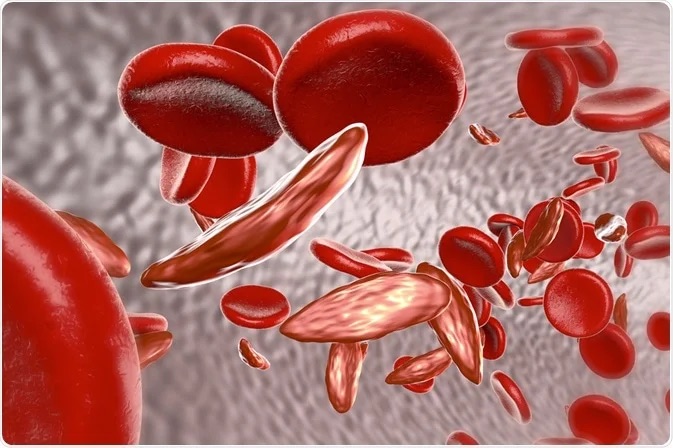
Available public health data show that Nigeria bears the highest global burden of sickle-cell disease, accounting for nearly half of all babies born worldwide with the condition each year. Health experts estimate that about 25 percent of Nigerians carry the sickle-cell trait (AS), while 2–3 percent live with sickle-cell disease (SS).
Founder of Seyifara Foundation, Oluwaseyi Adediran, said the organisation is shifting focus to young people, arguing that genotype awareness must move from “marriage counselling halls to classrooms. “We are interacting with students so that knowing your genotype becomes a life-planning tool, not an afterthought,” Adediran said. “Starting from secondary school, we want young people to understand their genotype early. This is how we reduce deaths and the long-term burden of illness.”
Other News
He described early education as critical not only to prevention but also to preparing Nigeria’s health system for future pressures posed by non-communicable genetic disorders.
Disclosing details of an upcoming intervention, members of the foundation’s Board of Directors, Adeniran Adediran and Lawal Olayiwola, said Seyifara Foundation, in partnership with the Oyo State Government, will embark on a six-month sickle-cell awareness campaign targeted at secondary school students in Ibadan.
According to them, the programme scheduled to run from January to June 2026 will focus on sensitisation, peer education and youth-led advocacy, with a strong emphasis on reducing stigma faced by people living with SCD.
Six secondary schools across Lagelu and Ibadan North Local Government Areas will participate. Thirty students—five from each school—will be trained as Sickle-Cell Awareness Advocates under a structured training and mentorship framework.
Participating schools include Bishop Phillips Academy, Monatan High School and Oyesina Model Secondary School in Lagelu, as well as Community Grammar School, Ikolaba High School and St. Brigid’s Secondary School in Ibadan North.
As part of the intervention, the foundation will distribute Information, Education and Communication (IEC) materials and establish “Genotype and Friendship Clubs” in each school to sustain peer-to-peer learning and dialogue beyond the campaign period.
Organisers project that the programme will directly and indirectly reach over 2,000 students and community members, fostering openness around genotype discussions among young people and parents.
The foundation has also sought the support of the Oyo State Ministry of Health for the deployment of health educators to support student engagement during the launch and implementation phases. Officials say the collaboration will strengthen community-based prevention efforts and align with the state’s broader public health goals.
For public health advocates, the Ibadan initiative reflects a growing recognition that tackling sickle-cell disease in Nigeria requires shifting emphasis from hospital-based treatment to early education, prevention and social change.
“The power to reduce sickle-cell disease lies first in knowledge,” Ayeni noted.