Follow Us on Google
From Juliana Taiwo-Obalonye, Abuja
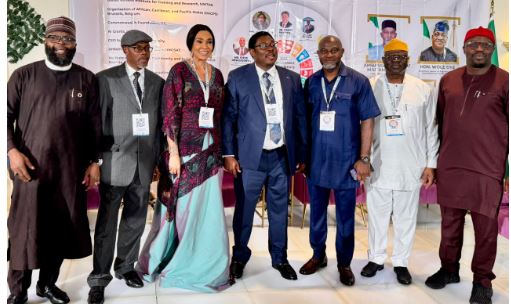
On the sideline of the 80th United Nations General Assembly (UNGA) session, key development partners and Nigerian delegates convened to discuss strategies to close the substantial funding gap impeding progress towards the Sustainable Development Goals (SDGs) 2030.
The discussions highlighted emerging threats such as climate change and the rising need for investments in Artificial Intelligence (AI) as critical elements in global development financing.
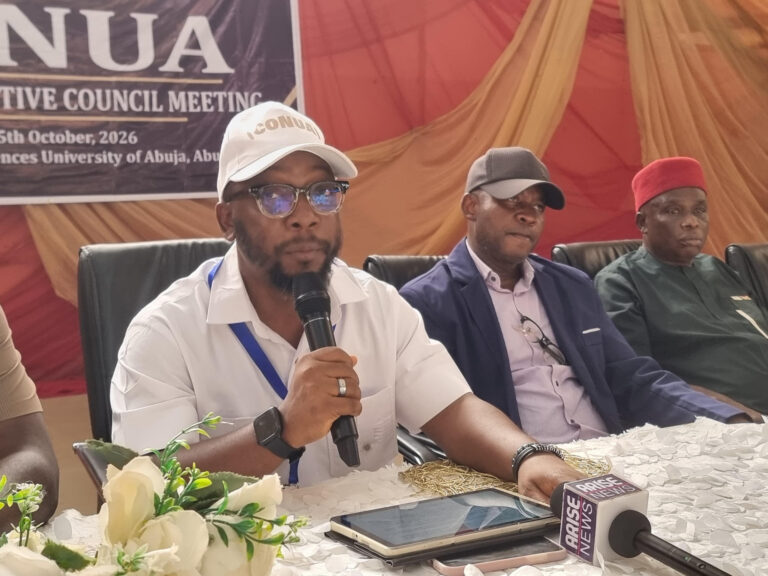
Executive Vice-Chairman/CEO of Merited Negotiation Consulting and Chairman of the Roundtable Organising Committee 2025, KunleYusuff, highlighted the enormous financial requirements involved. “Despite various governmental interventions, an estimated $5 to $7 trillion is needed annually to meet global SDG investment needs from 2023 to 2030,” he said.
Yusuff elaborated on the specific challenges posed by climate financing, stating, “Funding gaps for global climate action exceed $15 trillion. The annual global requirement for climate finance alone stands at $7.2 trillion, while AI investments from 2025 to 2030 are projected to surpass $10 trillion.”
Emphasising inclusive participation for impactful global recognition, Yusuff said “State Governments, Local Governments, Civil Society Organisations, and Non-Governmental Organisations must not play second fiddle if they wish to be mentioned on global development radar.”
Other News
Speaking on the critical importance of collaborative action, he noted, “We gather today at a critical juncture in human history, where global sustainability, equity, and prosperity demand bold action and collective commitment.
“The Fourth 80th UNGA Side Event on High-Level Executive Global Sustainable Investments and Grant Interventions 2025 offers a pivotal platform for forging strategic partnerships, mobilizing resources, and accelerating progress toward the Global Agenda 2030.”
He added, “As we navigate the complexities of climate change, economic inequality, and social injustice, prioritizing global networking and collaboration is imperative. By pooling our expertise, resources, and experiences, we can unlock innovative solutions, drive impactful investments, and foster a more equitable and sustainable world.”
Yusuff described sustainable investment as “both a moral imperative and an economic necessity,” pointing to the opportunities created by transitioning to low-carbon economies through “growth, job creation, and poverty reduction.” He stressed the urgency of investing in “climate-resilient infrastructure, renewable energy, and sustainable agriculture” to secure a prosperous future.
Calling on all stakeholders, he said, “The Global Agenda 2030 provides a roadmap for achieving the Sustainable Development Goals (SDGs). To realize this vision, we must mobilize grant interventions and investments supporting sustainable development projects worldwide and foster public-private partnerships driving innovation and scaling social impact.”
Yusuff concluded with a call for unified action: “Beyond this, we must strengthen global networks and coalitions advocating for climate action, social justice, and economic empowerment. Our collective success hinges on our ability to work together, share knowledge, and leverage resources. I urge Governments, especially Sub-National, civil society, and individuals to join forces in driving sustainable investments and grant interventions benefiting humanity and the planet. Let us seize this moment and shape a brighter future for all.”