Follow Us on Google
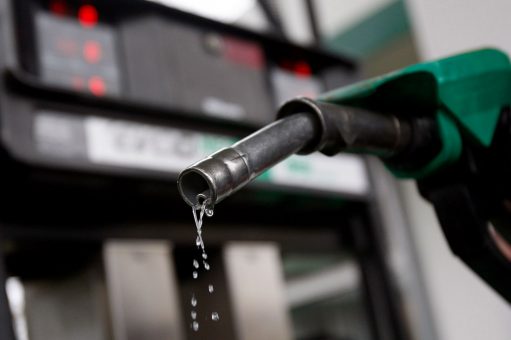
•Tanker traffic slumps from 60 to 3 daily
By Adewale Sanyaolu
Experts have raised the alarm that the escalating conflict in the Middle East has drastically slowed tanker traffic through the Strait of Hormuz, from 60 vessels daily to just two or three, raising fears of widespread fuel shortages across Africa.
Speaking at a webinar organised by the Major Energies Association of Nigeria (MEMAN) yesterday, Stan Drochon, Africa Head of Fuels and Refining at S&P Global, noted that Nigeria’s crude exports and the Dangote Refinery offer some insulation.
“Nigeria has an advantage, but the ripple effects across the continent are significant,” he said. For other African nations, especially landlocked importers, he said prolonged disruptions could trigger fuel rationing, black-market sales and inflation.
“Time is not on anyone’s side. African governments and industry players must act now to avert a severe socio-economic crisis”, he said.
Also speaking, former Chairman of the Society of Petroleum Engineers (SPE), Nigeria Council, Mr. Joe Nwakwe, said Nigeria’s oil sector has defied expectations, showing resilience and recovery despite subsidy removals and ongoing deregulation.
“Following subsidy removal in 2023, the market initially faced volatility, but prices stabilised faster than anticipated, proving the domestic sector’s strength,” Nwakwe said.
He credited government initiatives in transportation and infrastructure, alongside ongoing CNG deployment programmes, for helping reduce market inefficiencies.
However, Nwakwe warned that policy gaps, regulatory uncertainty and political interference remain major hurdles. Industry operators continue to navigate high capital requirements, squeezed profit margins, and logistical challenges, particularly in inland distribution.
Nwakwe emphasised that ensuring competitive markets, efficient supply chains, strong regulation, and product availability for consumers is critical.
He added that addressing infrastructure, regulatory clarity, and capitalisation issues will be essential for sustaining growth and achieving a fully liberalized oil sector.
“Consumers and investors alike must see a reliable, transparent market. This is the pathway to stability and long-term growth for Nigeria’s oil industry,”.
Some of the analysts who spoke at the webinar also warned of potential subsidy reintroduction.
They urged short-term measures like strategic stock deployment and increased local refining, while emphasising long-term energy security strategies, including supply diversification, storage expansion, and infrastructure upgrades.