Follow Us on Google
Nigeria and Norway have renewed their long-standing partnership in the fisheries and seafood sector, with both nations pledging deeper cooperation in sustainable aquaculture, trade facilitation and knowledge transfer to support Nigeria’s blue economy ambitions.
This commitment was reaffirmed on Wednesday at an interactive seminar between Nigerian and Norwegian stakeholders in the seafood trade in Lagos. The event, jointly organised by the Norwegian Government and the Norwegian Seafood Council, gathered regulators, importers, exporters and marine experts to review industry challenges and chart new pathways for collaboration.
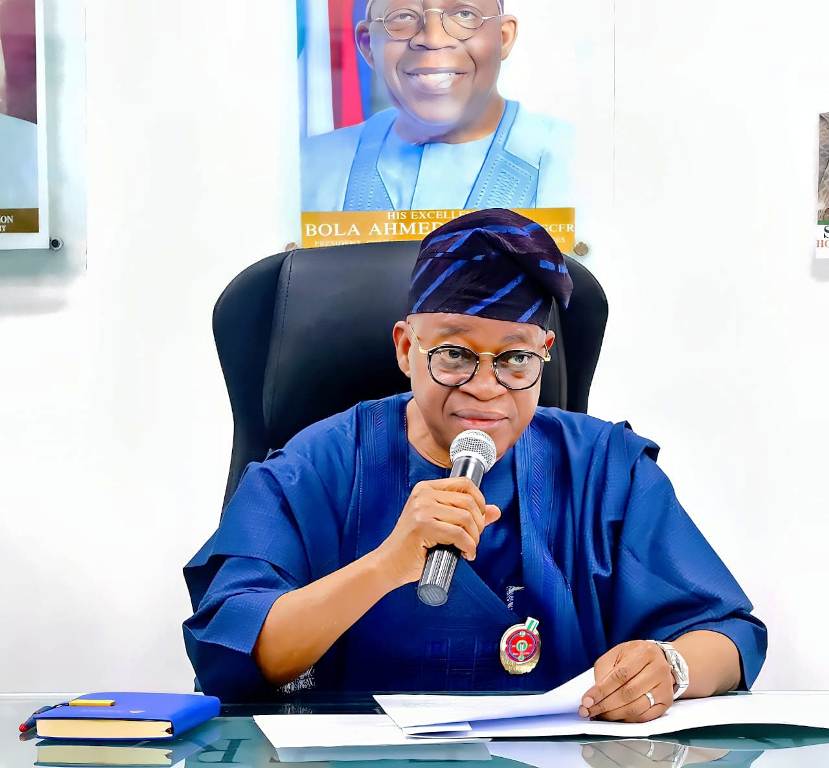
Speaking at the meeting, the Minister of Marine and Blue Economy, Adegboyega Oyetola, described Nigeria’s seafood sector as critical to national food security and economic diversification.
He said the government was implementing reforms to boost local fish production, modernise the cold chain system and build capacity among fish farmers and regulatory officers.
“While we still rely on imports to bridge the supply gap, our focus is on achieving self-sufficiency through innovation, investments and strong partnerships with countries like Norway,” Oyetola said.
The Minister revealed plans to establish a national fish terminal, upgrade residue monitoring facilities and support aquaculture expansion across the country.
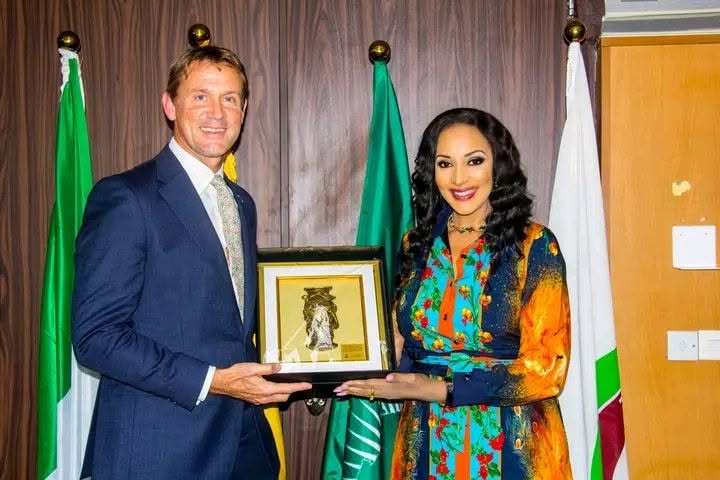
Norway’s Royal Ambassador to Nigeria, Svein Beera, praised the decades-long seafood trade between both countries, describing it as a story of shared values, mutual respect, and cultural exchange.
He noted that Nigeria remains one of the largest importers of Norwegian stockfish but expressed concern over the impact of global cod quota cuts on supply and prices. “Norway has taken measures to preserve marine resources, which has led to reduced quotas. We understand that this affects our trading partners, but sustainability must remain our shared goal,” Beera said.
Other News
The envoy appealed for a temporary waiver of import duties on stockfish heads to make the product more affordable for Nigerians. “A zero percent import duty would support both trade and food access, particularly for low-income households,” he added.
Johnny Håberg, Regional Director of the Norwegian Seafood Council, said the seafood relationship between Nigeria and Norway spans over a century, built on trust and consistent exchange of expertise in aquaculture and fisheries management.
According to him, “The current market challenges are due to global supply constraints, not a lack of willingness from exporters. We are eager to maintain stable trade and contribute to Nigeria’s seafood development goals.”
Abiodun Oritsejemine Cheke, Fisheries Consultant to the Council, announced that training programmes would soon commence for Nigerian fish farmers and regulatory officers. The sessions, she said, would focus on sustainability, documentation, and certification; key requirements to position Nigeria for seafood exports.
Cheke further called for a temporary 150-day zero-duty window for stockfish heads, describing the product as an affordable protein source for millions of Nigerian families.
She added that Norway was open to importing farmed Nigerian tilapia once export restrictions are eased, noting that such trade would enhance Nigeria’s earnings and boost confidence in its aquaculture sector.
Both governments and industry stakeholders agreed to expand technical cooperation, promote sustainable fishing practices and build a stronger foundation for mutual benefit in the years ahead.