Follow Us on Google
From Charity Nwakaudu, Abuja
Nigeria’s former ambassador to the Scandinavian countries (Sweden, Denmark, Finland and Norway), Godknows Igali, has lamented that Nigeria is gradually losing its reading culture to modernism.
Amb Igali stated this in Abuja at a reading colloquium “the appraising the aesthetics of a reading culture in Nigeria.
Igali who explained that reading is beyond relating with ideas written with ink on paper, added that man has always read before the evasion of technology.
“The whole idea of reading has been from the beginning of history. I disagree with those who believe that reading is only when you put ideas on ink and paper. Man has always read but now gradually reading culture has been taken over by modern society,” he added.
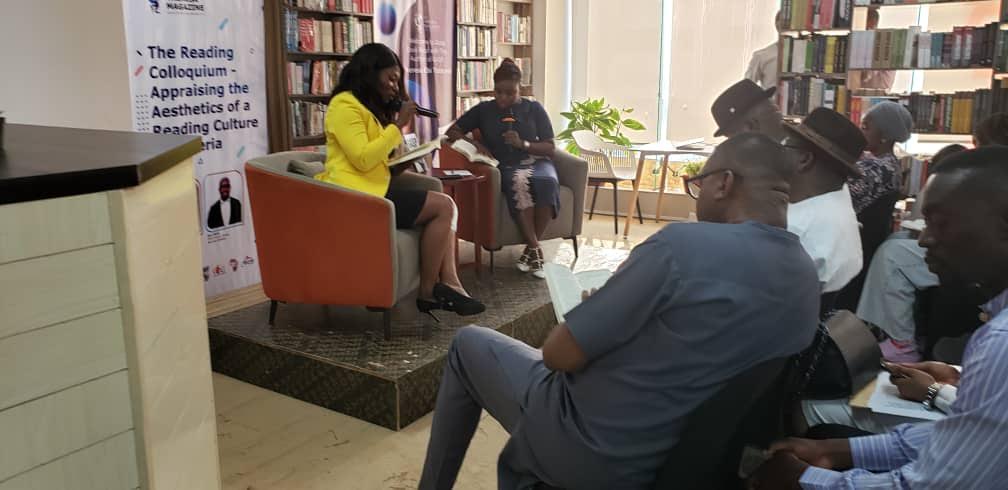
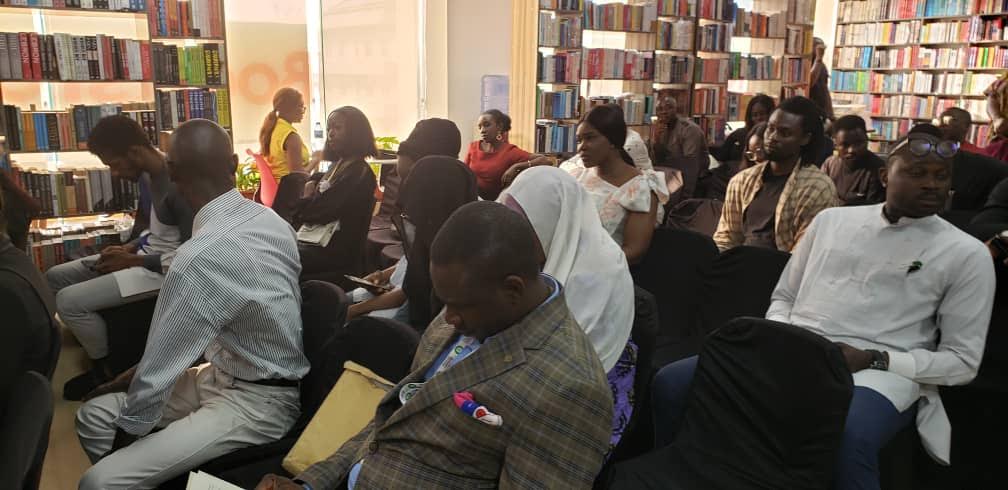
“There was a day we took reading so importantly but gradually reading is disappearing with the evasion of technology” he stated.
The former ambassador explained that in sub-Saharan Africa, most people do not read as much as they ought while Some other societies are also losing the culture of reading.
On her part, the author of the book and organiser of the programme, a Bayelsa-based lawyer, Theresa Ebi Tobuyei, said the work is a summary of the devastating effect of the years of ethnic crisis that rocked Warri in Delta State, for several years ending in 2003.
“Warri was trailed with conflict/crisis between 1997 to 2003 recording a great number of casualties, thereby attracting the attention of international peacekeeping and human rights bodies from around the globe” she added.
According to her, the book titled “GASP” was written to bring out the devastating effects of the crisis, and the lasting horrible memories it had on the lives of the victims and other people who witnessed it.
“It was in a bid to appraise the negative consequences of the violence in the light of the active and passive conflict still plaguing the Nigerian State, Africa and the World, that I wrote GASP. It’s a literary piece that focuses on the consequences, and the psychological issues that arose from the scars inflicted on the people especially marginalized groups such as children, young people, and women, in times of crisis, wars, and armed conflicts, around the world.
“GASP is a piece of literature that unearthed the harsh realities of how even decades after the end of active violence, the victims still struggle to embrace their now-tainted lives.”
She further explained that GASP is a fictional tale about some girls who physically witnessed the brutality of the Warri crisis; with each of them losing a principal member of their family.
“The story as contained in the book captured how they were separated by the circumstances of life, displaying how each of them navigated their way through life whilst nursing the scars the crisis left behind.
“The book also considered other societal vices like electoral violence, domestic violence, bullying, sexual assault, child abandonment, and the likes; displaying the travails and triumphs of her characters,” she added.