Follow Us on Google
From Juliana Taiwo-Obalonye, Abuja
The Federal Capital Territory (FCT) Administration has unveiled plans to construct additional modern bus and taxi terminals across Abuja as part of an intensified campaign to eliminate illegal motor parks, stop roadside passenger loading and tackle the persistent menace of “one chance” robberies.
The move comes as the FCT Administration prepares to commence full operations at the newly completed Mabushi, Kugbo and Central Business District (CBD) bus terminals. Once operational, commercial transport operators will no longer be allowed to pick up passengers along roadsides or from unauthorised loading points.
Mandate Secretary of the FCT Transportation Secretariat, Chinedum Elechi, disclosed the plans on Thursday while briefing journalists in Abuja on the operationalisation of the new transport terminals.
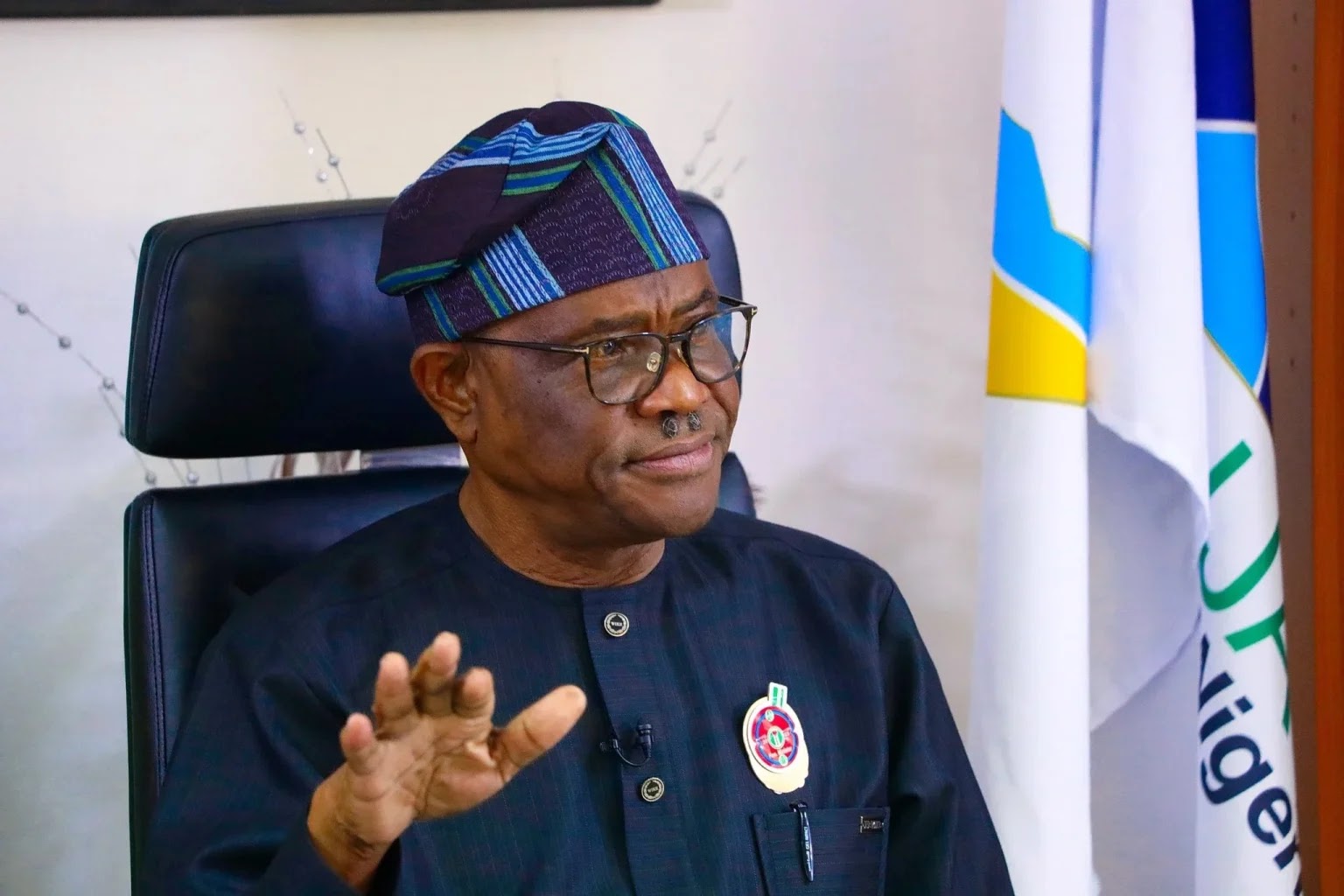
He said the administration, under the leadership of FCT Minister Nyesom Wike, is committed to transforming Abuja into a modern capital city with a well-organised, secure and efficient transportation system.
According to Elechi, additional transport terminals have already been captured in the administration’s expansion plans and will be funded through future budgetary allocations.
“The terminals in Kugbo and Mabushi are designed exclusively for intercity travel. Whether a passenger is travelling to Aba, Lokoja, Owerri or Sokoto, they deserve a safe, secure and comfortable environment to board. You cannot guarantee what happens when people board buses from ad hoc loading points, and that has contributed significantly to the ‘one chance’ security challenge,” he said.
Elechi explained that while the Central Business District terminal would cater for intra-city commuters, taxis, e-hailing operators and feeder buses, the Mabushi and Kugbo terminals would serve passengers travelling to destinations outside Abuja. He said the FCT Administration’s long-term vision is to establish a network of modern transport terminals connected through structured last-mile transport services.
“We cannot put a bus terminal in everybody’s backyard, just as we cannot put an airport everywhere.
“The terminals are primary transport hubs. When passengers return from a 12-hour journey from Aba or elsewhere, a reliable last-mile transport network will safely convey them from the terminal to their final destinations.
“Whether through local buses, taxis or private pickups, the system is designed to ensure passengers complete their journeys safely and conveniently,” he said.
Elechi noted that the administration’s decision to abolish roadside loading points was largely driven by security concerns, maintaining that the absence of regulated transport terminals had encouraged criminal activities, including “one chance” robberies, illegal arms movement and drug trafficking.
“At the root of many social security challenges is transportation.
“The problem of ‘one chance’ and general insecurity will be significantly reduced if we have a proper transportation system where operators are profiled and operate from designated terminals,” he said.
Other News
He warned that once the terminals become fully operational, transport operators who continue to load passengers on roadsides or operate from illegal motor parks would face strict enforcement.
“We are not taking food from anyone’s mouth. We are simply asking operators to move from unsafe and unhealthy roadside locations into modern facilities built with billions of naira.
“If you rent private premises and convert them into an illegal motor park, we will enforce the law, seal off the premises and impound the vehicles.
“The FCT must reflect the standard of every modern capital city,” he said.
Elechi recalled that the administration had previously exercised leniency by releasing more than 100 impounded vehicles after their owners signed undertakings to comply with transport regulations.
He stressed, however, that such concessions would no longer be available once full enforcement begins.
The Mandate Secretary described the new transport terminals as the first comprehensive terminal system developed in the nearly 50-year history of the Federal Capital Territory.
He said each terminal was designed to accommodate more than 2,000 passengers daily and equipped with modern facilities, including organised parking areas, shopping outlets, food courts, escalators and cinemas under a Public-Private Partnership arrangement with Planet Projects.
Elechi also disclosed that discussions were ongoing with the Office of the Head of the Civil Service of the Federation to establish dedicated loading bays for staff buses at the CBD terminal.
Responding to concerns over recent storm damage at the Kugbo terminal, he said repairs and structural improvements were nearing completion, explaining that the facility had absorbed the impact of a severe windstorm that might otherwise have caused greater damage to nearby residential communities.
He also appealed to residents to support government efforts by protecting public transport infrastructure from vandalism, noting that traffic signal failures across parts of the city were largely caused by the theft of solar batteries, damaged sensors and other acts of vandalism.
Drawing comparisons with other cities, Elechi said Abuja’s transport reforms mirrored successful urban renewal initiatives elsewhere.
“I have travelled all over the world, and even here in Nigeria, cities are being transformed. If Lagos could turn the chaos of Oshodi into modern transport hubs, why shouldn’t the FCT also be properly organised?” he asked.
He urged residents and transport operators to embrace the reforms, saying the ultimate goal is to guarantee safer commuting, eliminate illegal motor parks and establish a reliable transportation network befitting Nigeria’s capital city.