Follow Us on Google
From Idu Jude, Abuja
Recent findings have shown that corruption takes over ₦721 billion annually in Nigeria. To this end, political office holders have been charged with the responsibility of stamping out corruption in the country to save the fragile economy.
This call was made on the sidelines of the commemoration of International Anti‑Corruption Day, targeted at ensuring a corruption‑free society.
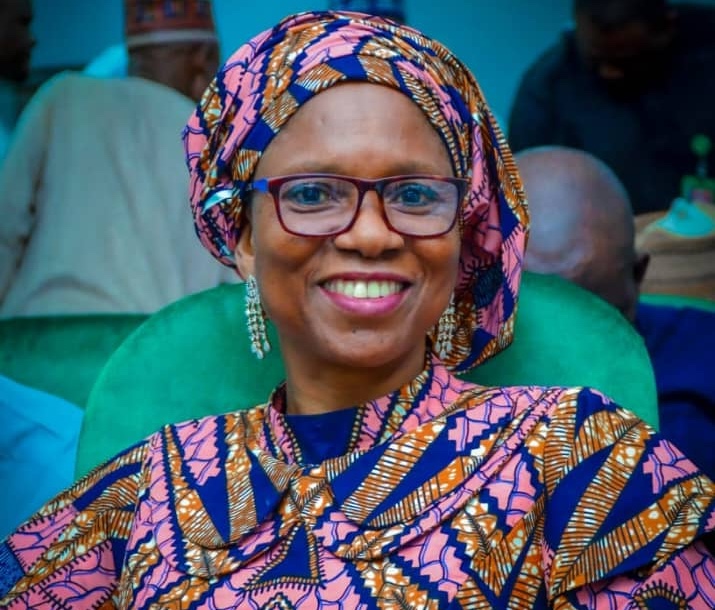
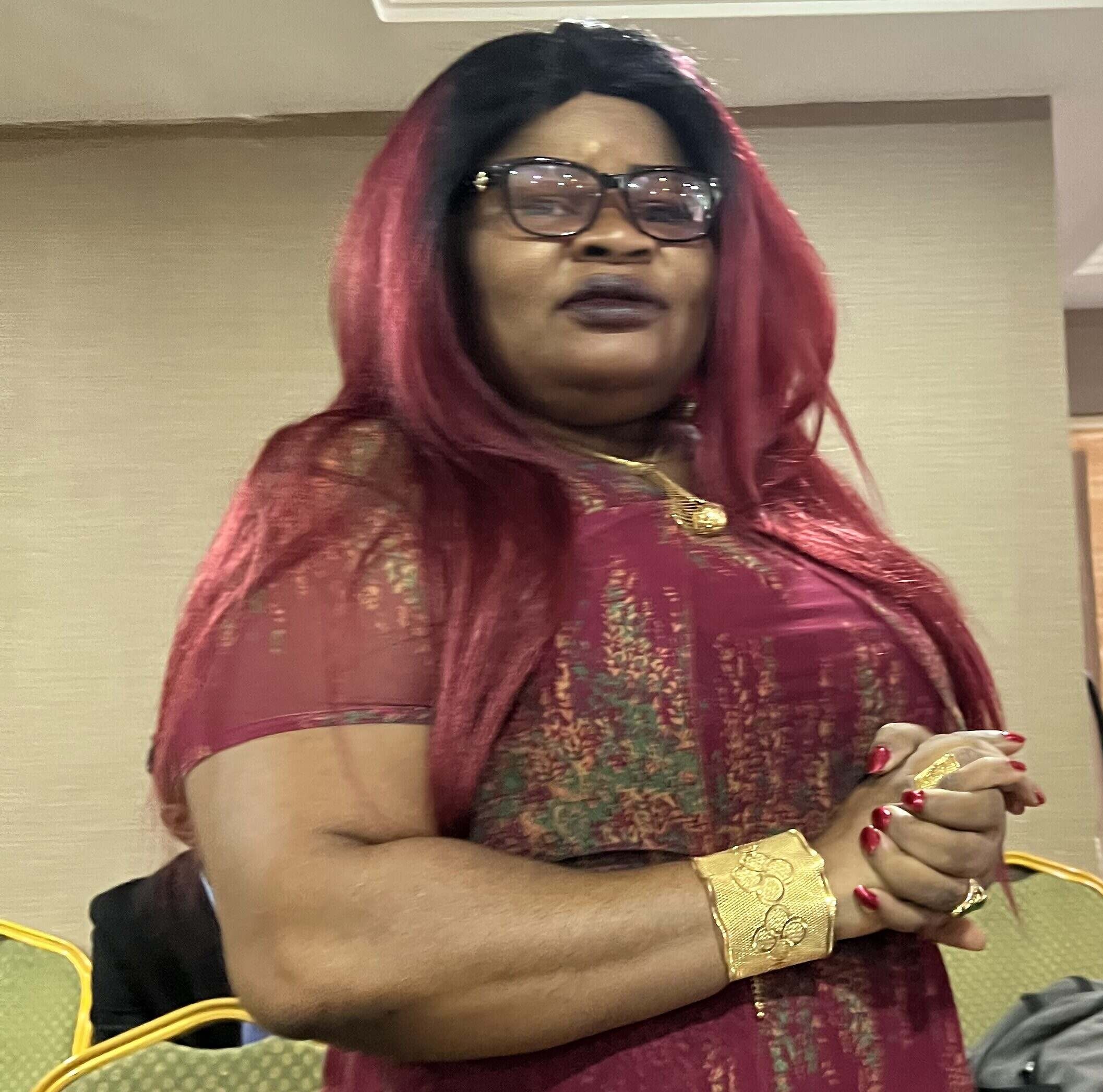
In this interview, Princess Hamman‑Obels, Director, Initiative for Research, Innovation and Advocacy in Development (IRIAD) and The Electoral Hub, joins the global community to condemn the persistent and destructive influence of corruption in Nigeria. Excerpts:
In your opinion, do you think Nigerian leaders understand the danger of corruption and neglect to the youth in a growing economy like ours?
They clearly understand, and this is because they are not oblivious to economic development in other countries. They travel for medical tourism to see their facilities, their level of economy. They send their children to study in well‑organised societies with good education and a sound economy.
So, they are fully aware that corruption is a daily reality that weakens institutions, distorts opportunity and undermines national development. It deprives citizens of quality services, erodes public trust and creates barriers that limit the potential of entire generations.
Why do you think this year’s theme is centred on youth against corruption?
The 2025 theme, “Uniting with Youth Against Corruption: Shaping Tomorrow’s Integrity”, underscores the pivotal role of young people as guardians of integrity, uniquely positioned to drive accountability and transparency due to their energy, innovation and direct experience of corruption’s impacts, like underfunded schools and healthcare facilities, limited job opportunities and restricted public and political participation.
Youth often bear the heaviest burden, facing barriers to education, healthcare and civic engagement that erode trust in institutions and stifle personal growth. Thus, this year’s theme is highly relevant in Nigeria, where empowering youth through education, advocacy, civic‑tech and leadership fosters ethical governance, counters corrupt practices and builds corruption‑resilient societies for sustainable development.
Despite all warnings, billions of naira are still being sunk under corruption.
The reality in Nigeria remains deeply troubling. According to the 2023 National Bureau of Statistics/UNODC corruption survey, public officials received about ₦721 billion in bribes in 2023, a figure that reflects both the scale of the challenge and the structural nature of corruption in public institutions.
More than 87 million bribe payments were recorded in the same year, and nearly 27 per cent of citizens interacting with public officials paid a bribe, with an even larger portion asked to do so but refusing. These figures are not just financial losses; they represent millions of Nigerians being denied fair access to healthcare, education, security services, public administration and justice. These losses and denied services ultimately impact the state–citizen relationship negatively.
One of the most devastating impacts is seen in public‑sector employment. The same national survey estimates that nearly 60 per cent of successful public‑sector recruitments between 2020 and 2023 involved some form of bribery, favouritism or nepotism. This reality not only destroys morale; it entrenches inequality, demoralises the youth and undermines national productivity. A society where people must pay for jobs is a society that undermines its future.
Yet there is hope in the growing resistance. Youth‑led movements, digital activism, investigative journalism and civic organisations are increasingly challenging impunity and demanding accountability, transparency and integrity in public systems and processes. The 2025 theme recognises the role of young people not only as victims of a broken system but as critical drivers of reform, innovation and accountability.
Preventing corruption is a global concern and society’s collective responsibility. Corruption fuels conflicts and inhibits peace processes, undermines democracy, leads to human rights crises, worsens poverty, facilitates organised crime and finances armed conflict and terrorism.
Nigeria cannot overcome corruption without the involvement, courage and leadership of its young population. But this leadership must be matched with institutional commitment, political will and systemic reforms that dismantle the structures enabling bribery, favouritism, diversion of funds, procurement fraud and entrenched impunity.
Other News
What are these areas you point out in your call to action for anti‑graft agencies like the EFCC, ICPC and others?
On this International Anti‑Corruption Day, IRIAD calls upon all relevant stakeholders, institutions and actors to undertake concrete actions towards building a corruption‑free Nigeria:
Government: Demonstrate political will by prosecuting corruption cases without fear or favour. Provide anti‑corruption agencies with adequate resources and operational independence. Implement transparent, merit‑based recruitment processes across public institutions. Establish formal mechanisms for youth participation in governance and oversight bodies.
The National Assembly and State Houses of Assembly should strengthen anti‑corruption legal frameworks; exercise rigorous oversight over executive expenditure and budget implementation; uphold transparency in asset‑declaration processes; eliminate budget padding and ensure appropriations reflect genuine public needs; and create pathways for youth engagement in legislative processes.
Has the judiciary been accused of aiding corruption through miscarriage of justice?
The National Judicial Council (NJC) should, as a matter of urgency, address systemic delays through specialised anti‑corruption courts and expedited trial procedures; maintain absolute independence and resist external influence; and apply deterrent sentencing that reflects the gravity of corruption offences.
Anti‑corruption agencies (EFCC, ICPC, CCB) should conduct investigations professionally and free from political selectivity; establish accessible, youth‑friendly reporting mechanisms that guarantee confidentiality; publish regular reports on case statistics, conviction rates and asset‑recovery outcomes; and develop partnerships with youth networks to strengthen community‑level corruption monitoring.
Do you hold the opinion that the traditional stools have not done much to fight the scourge?
Traditional and religious leaders should leverage moral authority to denounce corruption and promote accountability and integrity as fundamental values; refrain from honouring individuals whose wealth cannot be legitimately accounted for; integrate anti‑corruption messages into religious teachings and community gatherings; and provide support for young people who resist corruption pressures.
What else do you think civil society organisations need to do to up their game?
Civil society organisations should move towards genuine youth leadership within organisational structures; foster collaborative networks that maximise collective impact; document and disseminate lessons learned from anti‑corruption interventions; and provide solidarity and protection for young activists facing threats or persecution.
You hinted that even the private sector contributes to aiding corruption in the country?
Yes, and they should fight it by adopting zero‑tolerance policies toward bribery and corrupt practices; implementing transparent, competency‑based recruitment systems; providing ethical mentorship and equitable capital access for young entrepreneurs; refusing participation in corrupt procurement processes; and reporting corrupt solicitations.
The media?
The media should sustain investigative journalism that exposes corruption and holds power accountable; provide space for youth‑led anti‑corruption initiatives; maintain editorial independence by refusing financial inducements; and celebrate integrity and merit‑based achievement rather than questionable wealth.
Do you think parents and families have much to do here?
Yes, of course. They are the first line of people to take action here. They are to instil values of integrity and ethical conduct in children; refrain from celebrating individuals whose affluence appears disproportionate to legitimate income; resist securing unfair advantages through corrupt means; support young family members who choose integrity; and model anti‑corruption behaviour in interactions with public institutions.
And the Nigerian youth?
They should refuse to participate in corrupt practices as givers or recipients; utilise reporting mechanisms to document and report corruption; leverage digital platforms for transparency, accountability and advocacy; support candidates with demonstrated integrity; build solidarity networks for peers taking principled stands; engage with IRIAD and credible organisations combating corruption; and demonstrate that success is achievable through merit and hard work.
Together, these collective actions can ensure a corruption‑resilient Nigeria.