Follow Us on Google
From Juliana Taiwo-Obalonye, Abuja
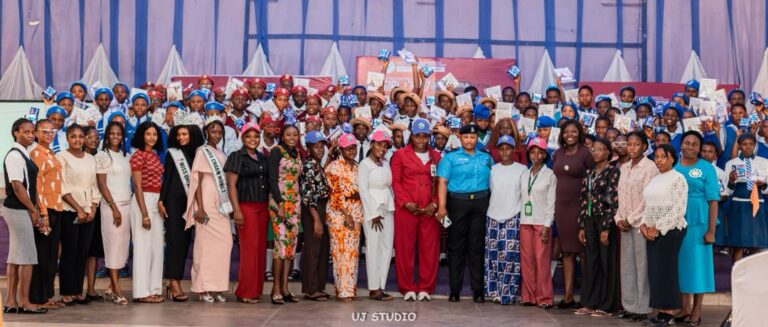
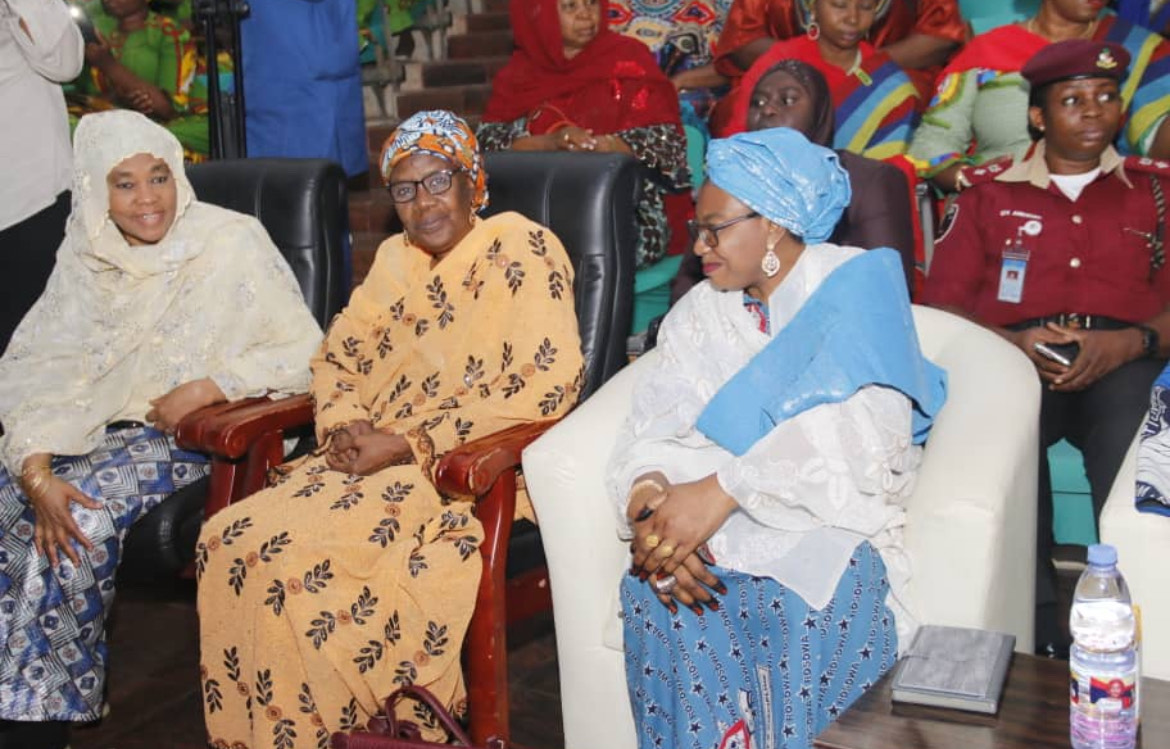
In celebration of the 2025 United Nations International Women’s Day, Nigeria flagged off the Mobilization Campaign of 12 Million Young Nigerian Women into the UNESCO Read and Earn Federation (UNESCO REF) Young Women in Agriculture (YWA) initiative at the Maryam Babangida National Centre for Women Development.
The programme aims to empower 12 million young women, enhancing their roles in agriculture and contributing to national food security and economic growth.
The Minister of Women Affairs, Imaan Sulaiman-Ibrahim, emphasised the importance of empowering women in agriculture.
Represented by the Permanent Secretary of the Ministry of Women Affairs, Maryam Keshinro, the minister described the event as a testament to the collective commitment to advancing gender equality and empowering women in Nigeria.
“The UNESCO Representative’s young women in agriculture programme is designed to equip young women with skills and resources needed to become leaders in agricultural sector, and thereby contributing significantly to our nation’s food security and economic growth,” she explained.
Sulaiman-Ibrahim lauded UNESCO for its dedication and unwavering commitment to empowering Nigerian women, particularly through this initiative.
Other News
The President of UNESCO Read and Earn Federation (UNESCO REF), Abdulsalami Ladigbolu, emphasised the pivotal role women play in agriculture, stating, “Empowering young women in agriculture would prove vital to restoring food availability” following President Tinubu’s declaration of a state of emergency on food security. Ladigbolu noted, “Women comprise 43% of the global agricultural workforce, rising to over 60% in least developed countries” but face barriers in accessing technologies and resources.
He explained that the Young Women in Agriculture (YWA) project is part of UNESCO REF’s Strategic Intervention Programme-ALPHA (SIP-ALPHA), aimed at achieving “zero hunger” by 2030. Ladigbolu highlighted the initiative’s importance, saying, “Recognising the key role women play in agriculture, this initiative could not have come at any better time than now when food insecurity has become a major issue in Nigeria”.
UNESCO REF has partnered with organisations like the Police Officers’ Wives Association (POWA) to mobilise women, including widows, into agriculture.
He added that the initiative seeks to break the cycle of poverty by providing a bespoke agricultural value chain that can generate income between N300,000 and N400,000 every 12 weeks.
Ladigbolu stressed the need for equal inclusion of women in development initiatives, saying, “Their inclusion is instrumental for the economic development of the country, adding that the economic strength of women would help achieve other pillars of the Sustainable Development Goals”.
The project is set to run for four years initially (2024–2027), with the possibility of extension for an additional three years (2028–2030). It will cover all six geopolitical zones of Nigeria, involving diverse groups such as police officers’ wives, NYSC members, civil servants, journalists, female armed forces personnel, university students, and individuals without higher education qualifications.
POWA President, Elizabeth Egbetokun, remarked that, “Women play a pivotal role in advancing food security… equipping them with tools and knowledge needed to improve their livelihood”.