Follow Us on Google
From Adanna Nnamani, Abuja
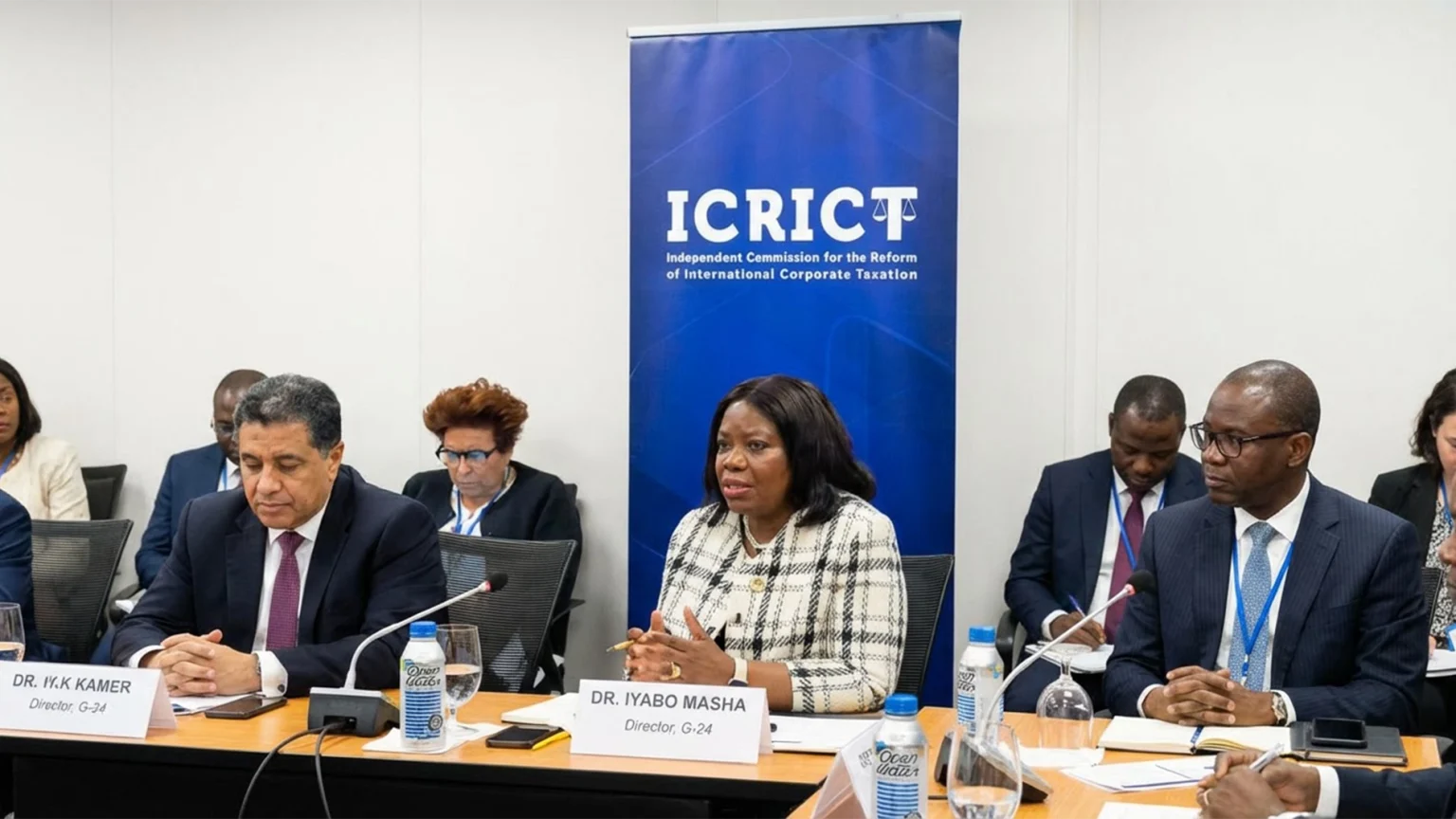
Nigeria on Thursday hosted top policymakers from emerging and developing economies as the G-24 began high-level discussions on rising debt distress, capital flight, and tightening global financial conditions.
Speaking at the opening of the 2026 G-24 Technical Group Meetings in Abuja, Director and Head of Secretariat of the G-24, Dr Iyabo Masha, warned that many Emerging Market and Developing Economies (EMDEs) are operating under severe fiscal strain as debt-service obligations swallow increasing portions of government revenues.
She revealed that external public debt service among developing countries has surged sharply in recent years, with many nations devoting large shares of export earnings to meeting obligations, leaving little room for infrastructure, social spending, and climate investment.
According to her, although global financial conditions have eased slightly compared to the peak of monetary tightening, lower-rated economies continue to face elevated borrowing costs and rollover risks.
She cautioned that sudden changes in global investor confidence could lead to capital outflows and weaker currencies, making it harder for them to repay or refinance their debts, especially in countries with less developed financial markets.
Masha also warned that increasing trade barriers and protectionism are slowing global trade, which is expected to grow by only about 0.5 per cent in 2026. She said weaker demand from abroad and higher tariffs are making recovery more difficult for developing countries.
Other News
Although the global economy has remained stable, she said stability alone is not enough to put countries back on a strong development path.
The G-24 Secretariat chief identified five major risks confronting EMDEs: renewed inflation or supply shocks, tighter external financing conditions, trade fragmentation, prolonged debt restructurings, and erosion of human capital.
She warned that prolonged debt crises should not become the “new normal”, stressing that slow restructuring processes discourage investment and impose high social costs.
According to her, “One important outcome is the extent to which the growing fiscal-financial linkages are significantly constraining fiscal space in many EMDEs, with debt service now absorbing an increasing share of government revenues. The World Bank’s Global Economic Prospects further emphasises that public investment in many developing countries remains below the levels needed to achieve essential infrastructure and climate objectives, meaning that current investment shortfalls will likely result in lower potential growth in the future.
“Amid these challenges, countries are expected to simultaneously consolidate fiscally, invest in climate resilience, protect social spending, strengthen human capital, and manage debt burdens, all at once. These would be difficult to achieve, since developing countries face high and rising costs of external public debt, with external debt service reaching $487 billion in 2023, and many countries devoting a large share of export revenues to servicing obligations, according to UNCTAD. This points to a deeper, structural financing gap as debt, development, and stability collide.”
Masha called for stronger macroeconomic frameworks, improved domestic resource mobilisation, greater investment in climate resilience and human capital, as well as deeper regional trade integration to unlock sustainable, job-rich growth.
The meeting had in attendance finance ministers, central bank governors, and development partners seeking coordinated solutions to safeguard stability and prevent further capital flight from vulnerable economies.