Follow Us on Google
From Aidoghie Paulinus, Abuja
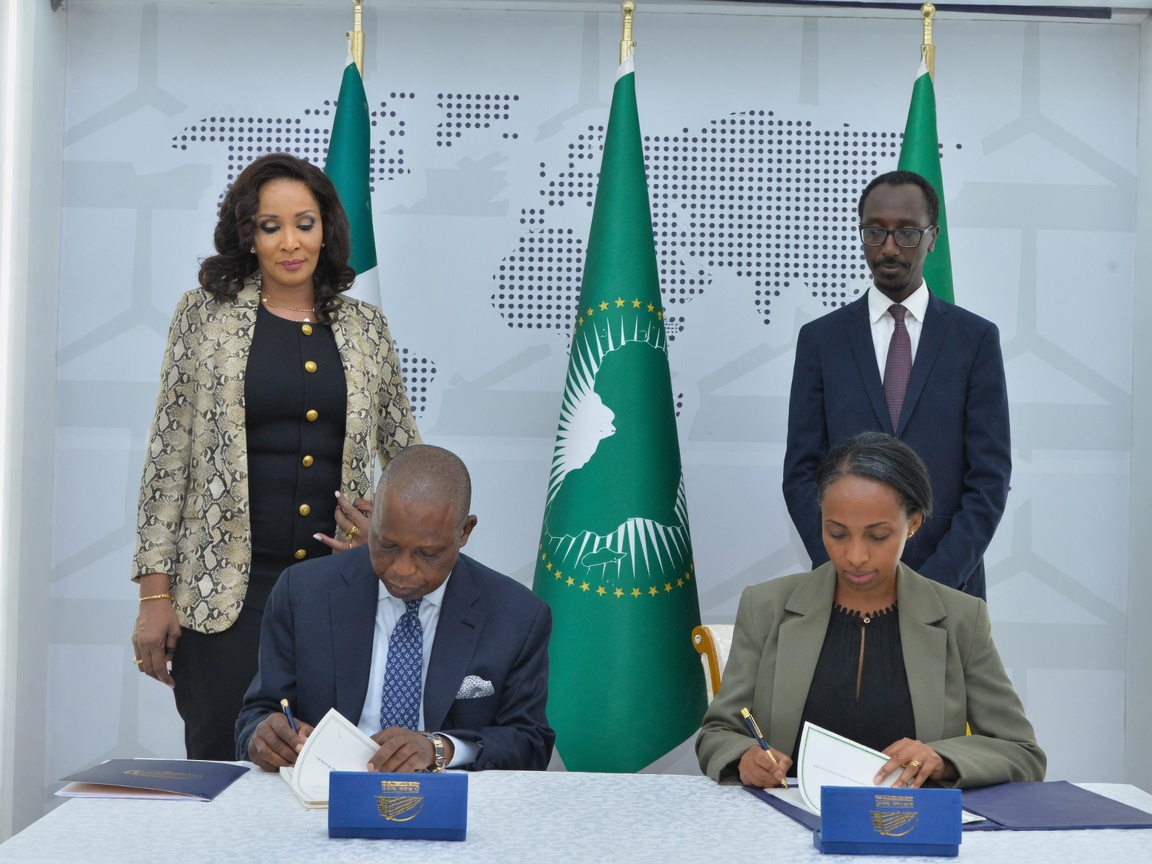
Nigeria and the Federal Democratic Republic of Ethiopia have signed a Prisoner Transfer Agreement for Sentenced Persons.
Both countries also agreed to begin the immediate implementation of the bilateral instrument in accordance with respective laws and international obligations.
The agreement, according to the Minister of Foreign Affairs, Bianca Odumegwu-Ojukwu, in a post on X, will lead to the transfer of over 100 Nigerians from Ethiopian prisons to the country.
Media aide to the minister, Magnus Eze, said Odumegwu-Ojukwu and her Ethiopian counterpart, Gideon Timothewos, facilitated the diplomatic milestone which was consummated at the Ethiopian Ministry of Foreign Affairs in Addis Ababa.
“Attorney General and Minister of Justice, Lateef Fagbemi SAN, signed for Nigeria while the Justice Minister of Ethiopia, Ms Hanna Arayaselassie signed for her country.
“The Ambassador of Nigeria to Ethiopia and Permanent Representative to the African Union, Nasir Aminu, a representative of the Nigeria Correctional Service and the Commissioner General of the Ethiopian Federal Prison Commission, among others, witnessed the signing ceremony.”
Eze also said Odumegwu-Ojukwu, while conveying the sincere appreciation of President Bola Ahmed Tinubu and Nigerians, also said the event was rooted in the principles of humanity, justice, and international cooperation.
The minister explained that by the legal framework, sentenced persons who are nationals of either country may, subject to agreed conditions and applicable laws, be transferred to their home country to serve the remainder of their sentences.
“This arrangement recognizes the important role that family, language, culture, and social support systems play in the rehabilitation and reintegration of offenders. It also reflects our shared understanding that correctional systems should not only punish wrongdoing but should equally provide opportunities for rehabilitation, reformation, and eventual reintegration into one’s society.
“For Nigeria, the welfare and protection of Nigerian citizens abroad remain a cardinal responsibility of the Government, particularly at a period when citizen-centred diplomacy remains a key pillar of our foreign policy objectives.”
Other News
Odumegwu-Ojukwu urged Nigerians living and travelling abroad to respect the laws of their host countries and conduct themselves in a manner that upholds the good name of the nation.
“Notwithstanding, she highlighted the commitment of Government to ensuring that those who found themselves in conflict with the law were treated with dignity and accorded their rights under applicable legal frameworks.
“The minister noted that the signing of the agreement demonstrated the two countries’ collective resolve to strengthen consular cooperation and advance a more humane approach to the administration of justice.
“This Agreement is also a testament to the growing depth of cooperation between Nigeria and Ethiopia. Beyond consular affairs, our two countries continue to collaborate in the areas of trade and investment, aviation, security, migration management, regional peace and security, and the advancement of Africa’s collective interests, within continental and multilateral institutions.”
She commended the officials, legal experts, and technical teams from both sides whose dedication, professionalism, and commitment made the Agreement possible.
Odumegwu-Ojukwu further reiterated Nigeria’s immense gratitude to the Government of Ethiopia for its cooperation, friendship, and unwavering commitment to strengthening their bilateral relations.
Odumegwu-Ojukwu will on Thursday visit the Kaliti and Aba Samuel prisons in Ethiopia where over 100 Nigerian nationals are being incarcerated, four of them women.
Four Nigerian prisoners had died while the negotiations, judicial vetting and the final ratification process were still going on.
“We cannot afford to lose any more precious lives. We are determined to bring home the living,” the minister stated.
Ethiopia’s Foreign Affairs Minister, Gideon Timothewos, said the cordial bilateral relationship between both countries dating over six decades should be consolidated through continuous coordination and consultation on common issues and interests.