Follow Us on Google

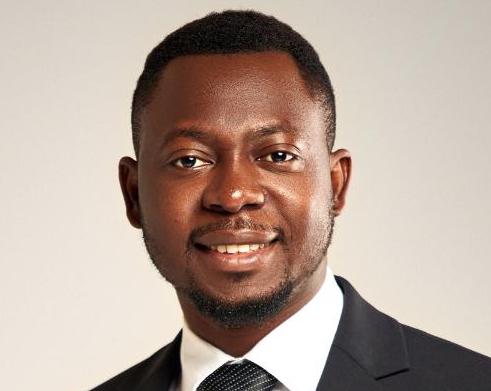
By Onyeolu Chima
Nigeria’s challenges are not the result of destiny, geography or lack of potential. They are the result of choices, especially leadership choices.
With vast natural resources, a large and youthful population, and one of Africa’s biggest markets, Nigeria has all the ingredients of a successful nation. Yet, many citizens continue to face insecurity, unemployment, inflation, weak infrastructure and declining trust in government. These realities lead to the question of what leaders must do differently for Nigeria to work.
Leadership should be understood as service, not status. Public office is not a reward for political struggle but a responsibility to improve the lives of citizens. When leadership is driven by personal gain rather than public good, development becomes impossible.
Nations progress when leaders are judged by outcomes such as jobs created, security improved and institutions strengthened, not by speeches, slogans or political loyalty.
No country develops sustainably on personalities alone. Nigeria’s future depends on strong institutions that function independently and consistently. Electoral bodies, courts, regulators and security agencies must operate based on law, not influence.
When institutions are predictable and fair, confidence grows both among citizens and investors. Strong institutions ensure continuity beyond any administration.
Corruption thrives where accountability is selective. Transparency in public finance, procurement and appointments must become standard practice. Fighting corruption should not be political; it should be institutional.
Other News
Public resources are not private property. They are held in trust for the people and leaders must be answerable for how they are used.
Again, Nigeria cannot rely on consumption and imports while expecting prosperity. Leadership must prioritize production, such as agriculture, manufacturing, technology and value addition. A productive economy creates jobs, stabilizes the currency and reduces poverty.
Policies should empower businesses, reduce bureaucratic obstacles and support innovation. Wealth is created by production, not promises.
No development is possible where lives are unsafe. Security must be treated as a national priority, not only through enforcement but through intelligence, community trust, education and employment.
Security is not merely the absence of violence; it is the presence of stability, opportunity and hope.
Nigeria’s diversity is a strength if managed with fairness and inclusion. Leadership must avoid divisive rhetoric and ensure that appointments, opportunities and justice reflect equity and competence.
When citizens feel respected and treated fairly, unity follows naturally.
In conclusion, Nigeria does not need miracles. It needs disciplined leadership, strong institutions, consistent accountability and a clear focus on service.
A better Nigeria is achievable, not by chance, but by choice. History will judge today’s leaders not by intentions, but by results and citizens must continue to demand leadership that truly serves the nation.