Follow Us on Google
The 2023 report on Sustainable Development has listed Nigeria among the 20 least countries in the world to achieve the United Nations Sustainable Development Goals (SDGs) targets by 2030. In the report, Nigeria was ranked 146 out of 166 countries globally, with a score of 54.3 per cent. With a score of 86.8 per cent, Finland came top on the SDGs Index. It was quickly followed by Sweden, 85 per cent, Denmark, 85.7 per cent, Germany, 83.4 per cent, and Austria, 82.3 per cent. According to the report, Somalia, 48 per cent, Yemen, 46.8 per cent, Chad, 45.3 per cent, Central African republic, 40.4 per cent, and South Sudan, 38.7 per cent had the least SDG Index score.
The report further noted that Denmark, Czech, Estonia, Latvia, and the Slovak Republic have either achieved or on track to achieving the largest number of SDGs targets, while Lebanon, Yemen, Papa New Guinea, Venezuela, and Myanmar dominate in the largest number of SDGs targets with reversal in progress.
Despite the fact that the top 20 countries on the SDGs index are in Europe, all of them are members of the European Union, none of them has a perfect score. This therefore underscores the fact that based on the pace of progress since 2015, achieving all the Sustainable Development Goals by 2030 is a herculean task. As it appears now, it is difficult to achieve the SDGs on hunger, sustainable diets, and health outcomes. The same applies to the goals on marine biodiversity, urban pollution, housing, strong institutions and peaceful societies. Overall, it can be deduced from the report that most of the low-income and middle-income countries, home to half of humanity, are not likely to achieve the SDGs by 2030. Most of these countries, including Nigeria, lack the resources to implement the SDGs.
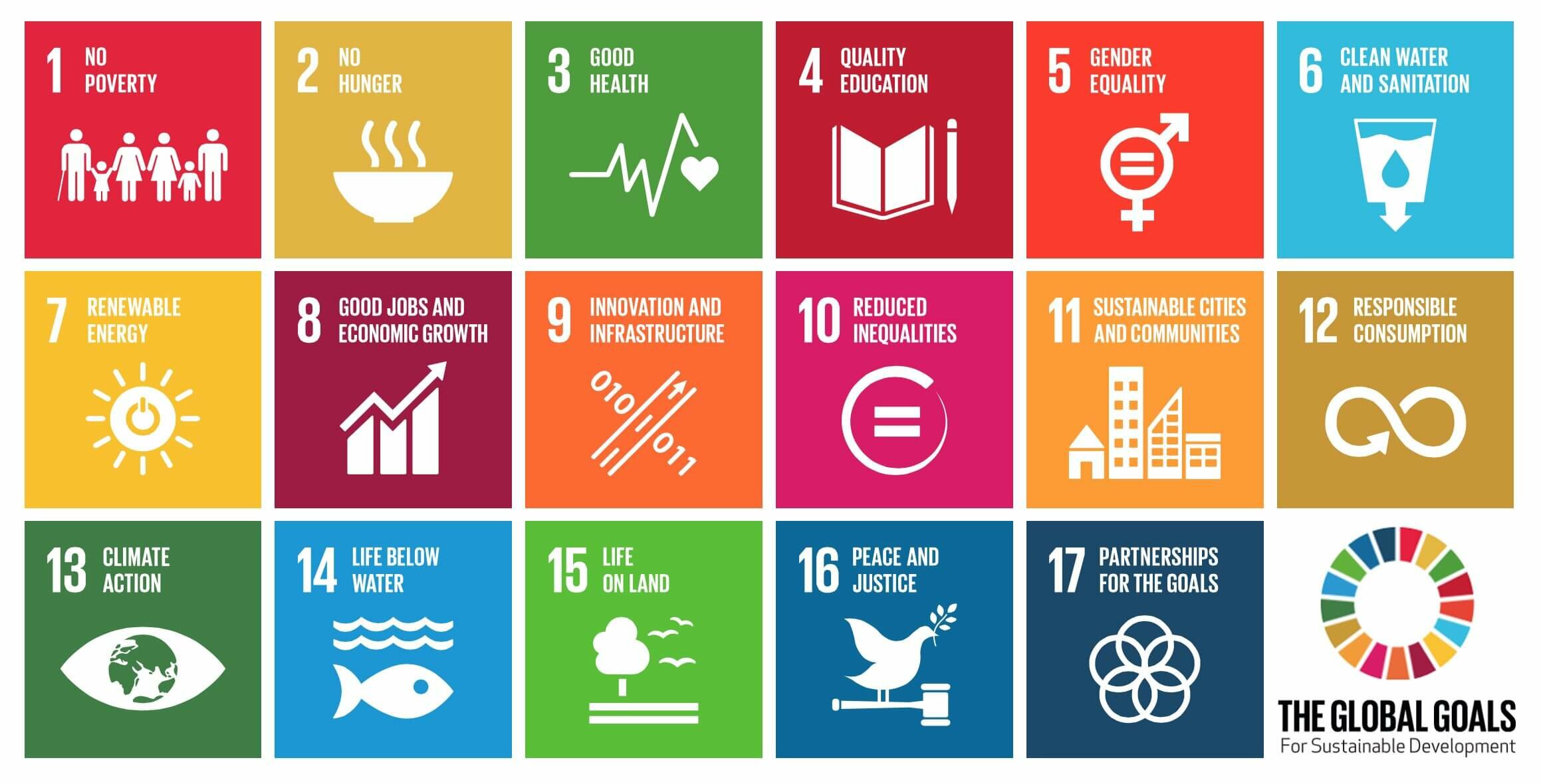
The SDGs, which are also known as the Global Goals, were adopted by the United Nations in 2015 as a universal call to action to end poverty, protect the planet, and ensure peace and prosperity for all people of the world by 2030. As members of the United Nations, all nations are duty bound to achieve the set targets.
For Nigeria to achieve most of the 17 SDGs by 2030, the federal, state and local governments must strive to work together and ensure good governance. Some of the goals should frontally address include reduction of poverty and hunger as well as ensuring good health and wellbeing, quality education and gender equality. Others are provision of clean water and sanitation, affordable clean energy, decent work, and economic growth, industry, innovation, and infrastructure.
Since September 2000, when the MDGs were first introduced, Nigeria has demonstrated the political will to achieve any of the targets. While our leaders were paying lip service to these goals, China reduced its poverty from 452 million to 278 million in line with the first goal. India has also made much progress in this regard.
Although 23 states and the Federal Capital Territory had accessed N24.450billion from the Conditional Grant Scheme from 2015 to curb poverty, Nigeria’s poverty has increased so much that we became the poverty capital of the world. Nigeria has also been ranked 157 out of 189 countries on the Human Development Index (HDI) of the United Nations Development Programme (UNDP). Although Nigeria has the resources to end extreme poverty and even up the inequalities between the rich and the poor, women and men, it remains the country where the government is the least committed to reducing inequality in West Africa based on the Oxfam’s Commitment to Reducing Inequality (CRI) Index 2019.
Another report in December 2018 by the United Nations Support Plan for the Sahel estimated that Nigeria needs no fewer than $337 billion to implement Sustainable Development Goals from 2019 to 2022 spread as follows: $80.65 billion in 2019; $82.83 billion in 2020; $85.07 billion in 2021; and $87.37 billion in 2022. Unfortunately, the government has not provided the needed funds to meet the SDGs by the 2030 deadline.
With about seven years to go, it is not likely that Nigeria will achieve the SDGs. Gender inequality, mass poverty, affordable healthcare and education hunger and food insecurity are yet to be addressed. However, the SDGs can still be achieved if the government can adequately fund them. It is disturbing that Nigeria has not done much to address the impacts of climate change. There is need to protect the environment.