Follow Us on Google
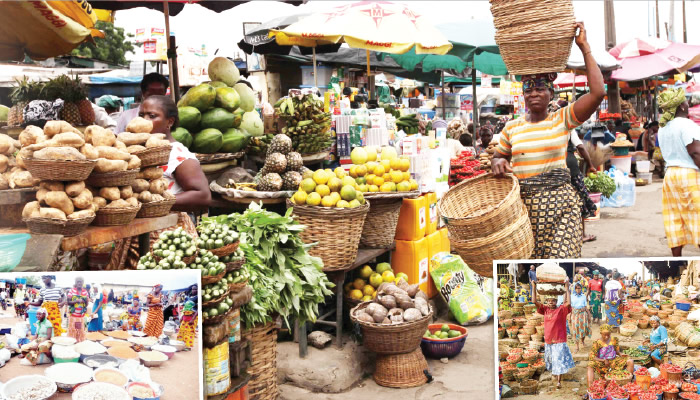
A recent report by the Food and Agriculture Organisation (FAO) of the United Nations indicates that global food bill would hit $1.98 trillion in 2023. This is said to be a 1.5 per cent rise from 2022. Last year, the food bill reportedly rose by 11 percent. In 2021, it rose by 18 per cent. According to the report, the top five African importers which account for 50 per cent of Africa’s total food imports include Egypt (15 per cent), Algeria (12 per cent), South Africa (9 per cent), Morocco (7) and Nigeria (7).
The FAO report added that while food imports by advanced economies continued to expand, the import bill for the group of least developed countries was predicted to decline by 1.5 per cent in 2023. The imports for the net food-importing developing countries are predicted to decline by 4.9 per cent. In other words, global outlook is set to expand while imports by the most vulnerable countries are set to decline.
“The decline in food import volumes is a concerning development in both groups, suggesting a decline in purchasing capacity. These concerns are amplified by the fact that lower international prices for a number of primary food items have not, or at least not fully, translated into lower prices at the domestic retail level, suggesting that cost-of-living pressures could persist in 2023,” the biannual report from FAO’s Markets and Trade Division noted. The rising world prices are said to have been driven by higher quotations for fruits, vegetables, sugar, and dairy products.
Apart from global wheat output, which is predicted to fall this year by 3.0 per cent from last season’s all-time high of 777 million tonnes, the production of other basic foodstuffs like rice, coarse grains, oil crops, sugar, meat and fishery products is expected to increase. World rice production is predicted to rise by 1.3 per cent in 2023/24 to 523.5 million tones. But, the FAO is worried that the global agrifood production systems remain vulnerable to shocks arising from extreme weather events, geopolitical tensions, policy changes and developments in other commodity markets. This could impact on the prices and food security.
This report should be of interest to the Nigerian government. Data from the National Bureau of Statistics (NBS) indicate that in the second quarter of 2022, Nigeria imported food to the value of N464.45 billion. This shows an increase from the value recorded in the first quarter of 2022 which stood at N443.36 billion. The millions of dollars the country spends on food importation annually have put pressure on its foreign exchange reserves. Nevertheless, the United Nations Children’s Fund (UNICEF) predicted earlier in the year that 25 million Nigerians risked severe hunger between June and August 2023. Particularly vulnerable on this issue of food insecurity, according to UNICEF, is the northwest region of Nigeria. The states to watch include Katsina, Sokoto and Zamfara. In 2022, the Food and Agriculture Organisation (FAO), in conjunction with the UN World Food Programme (WFP), in a joint report, stated that food crisis had tightened its grip on Nigeria and 18 other countries.
A United Kingdom-based think tank, the Institute of Development Studies (IDS), in a report in 2021, ranked Nigeria as the second poorest country in food affordability in the world. The country is also among the top 10 hunger ravaged countries in the world. The worst affected states are in the North. Persistent conflicts, climate change and inflation are some of the drivers of this problem.
Last year, Nigeria experienced what was referred to as the worst flooding in the country in over a decade. It happened in about 34 states of the federation and affected thousands of hectares of farms, including one of the largest rice farms in Nigeria, the Olam Rice Farm in Nasarawa State. It also affected livestock and staples like rice, yam, and cassava. All these invariably contributed to the food shortages in the country. This type of scenario, coupled with high food prices, could lead to social unrest and undermine efforts to fight poverty and food insecurity, the FAO warned.
For Nigeria to scale higher in food availability and affordability, it needs to go for sustainable policies that will ensure that there is always food on the table of Nigerians. One major way to prevent this is to control food inflation, which is quite high in Nigeria. As we had argued here in the past, there is need to boost agriculture in the country and grow more food locally. Mechanised farming is where the world is going and Nigerian farmers cannot afford to be left behind. They should discontinue the use of crude implements and embrace all-season farming. They need to deploy modern technologies like biotechnology to produce better and high-yielding crops.
On its part, government should encourage food companies by giving them incentives to produce more food. It should also guarantee security of life and property to enable farmers who had run away from their farms because of insecurity to return.
.