Follow Us on Google
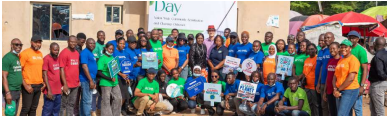
Nestlé Nigeria and its partners have completed a nationwide environmental sensitisation and clean-up campaign across 12 locations as part of activities marking the 2026 World Environment Day, with stakeholders emphasising that cleaner environments are essential to protecting public health and preventing disease outbreaks.
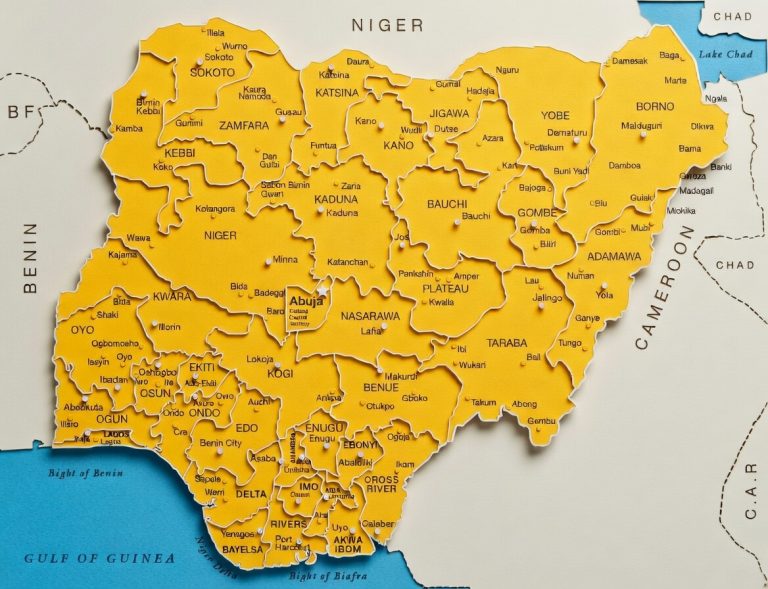
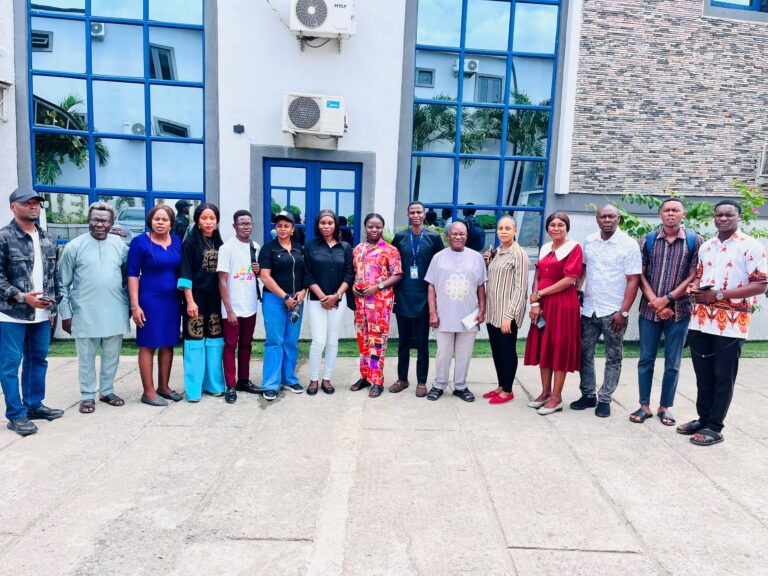
The exercise, conducted in Lagos, Abuja, Agbara, Jos, Kano, Enugu, Awka, Ota, Abaji, Sagamu, Port Harcourt and Ibadan, mobilised 424 volunteers who recovered 4,507.8 kilogrammes of solid waste and 48.2 kilogrammes of recyclable waste from public spaces.
According to reports by the African Clean-Up Initiative (ACI) and the Recyclers Association of Nigeria (RAN), the recovered waste was channelled through appropriate recycling and disposal systems, helping to reduce indiscriminate waste disposal, environmental pollution and potential health risks associated with poor sanitation.
Public health experts have consistently linked poor waste management to the spread of diseases such as cholera, typhoid fever, diarrhoea and malaria, as improperly disposed waste creates breeding grounds for disease-carrying insects and contaminates water sources.
Lead Corporate Communications, Corporate Affairs and Sustainability, Nestlé, Victoria Uwadoka, said: “What encouraged us most this year was not only the volume of waste recovered, but the willingness of volunteers, partners and community members to work together towards a shared goal. Lasting environmental progress depends on that sense of collective ownership, and it is often through small actions taken together that meaningful change begins,” she said.
Other News
The initiative was implemented through a multi-stakeholder framework involving government institutions, regulatory agencies, industry groups, development partners and recycling organisations to ensure alignment with national environmental priorities.
At the Abuja activation, the Director of the Pollution Control and Environmental Health Department of the Federal Ministry of Environment, Mrs. Adeola Omotunde, said tackling environmental challenges requires sustained collaboration among governments, businesses and communities.
She noted that initiatives promoting proper environmental practices also contribute to safeguarding public health by creating cleaner and healthier communities.
Representative, Country Manager, National Plastics Action Partnership (NPAP), Mrs. Esther Fagbo, said Nigeria’s plastic pollution challenge demands collective action and sustained partnerships.
She said collaborative initiatives that strengthen recycling and support circular economy solutions would not only protect the environment but also create economic opportunities while improving the quality of life for citizens.