Follow Us on Google
Governors of the 36 states of the federation have reaffirmed their commitment to making Early Childhood Development (ECD) a strategic priority, with the Nigerian Governors’ Forum (NGF) calling for stronger state-level action, financing and accountability to improve outcomes for children.
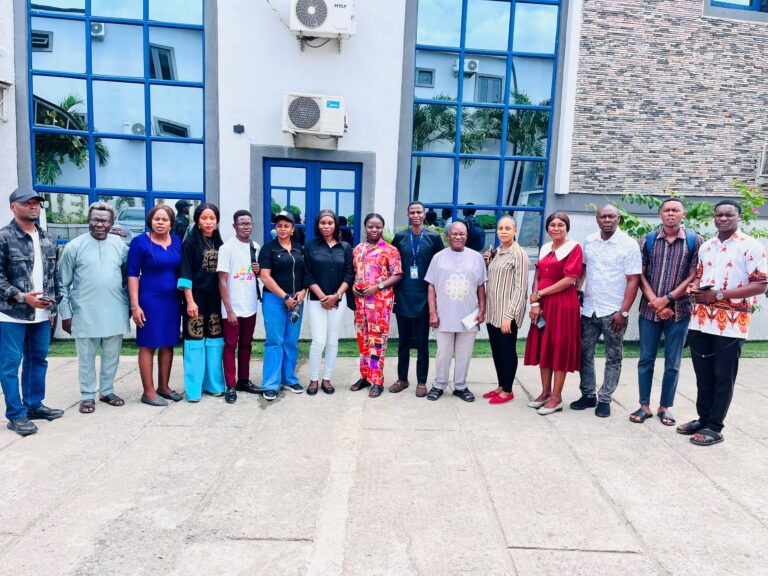
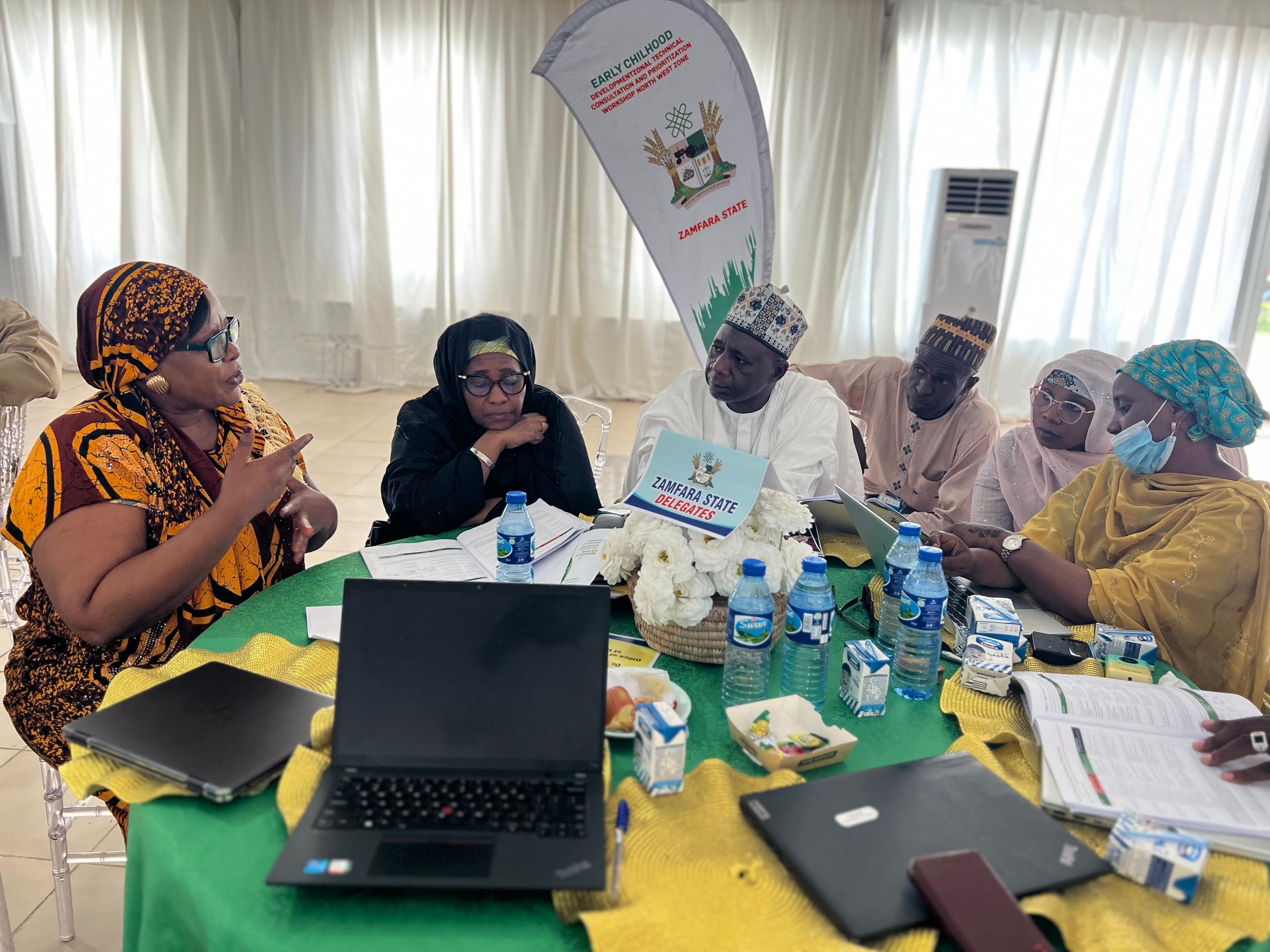
The commitment was disclosed at the North-West Zonal Consultative Workshop on Early Childhood Development, organised by the NGF in collaboration with the World Bank, the Human Capital Development (HCD) initiative and the Federal Ministry of Budget and Economic Planning.
Representing the Director-General of the NGF Secretariat, Abdulateef Shittu, the Director of Media and Strategic Communications, Yunusa Abdullahi, said investment in the early years should no longer be viewed merely as a social intervention but as a critical investment in Nigeria’s human capital and economic future.
According to him, the period from pregnancy to a child’s fifth birthday represents a critical window during which the foundations for health, learning, cognitive development and future productivity are established.
“Investing in Early Childhood Development is therefore not only an investment in children; it is an investment in Nigeria’s human capital and long-term economic development,” he said.
The NGF said the renewed focus on ECD was particularly important because the success of national policies would ultimately depend on their implementation at the state and local government levels.
Abdullahi said while national frameworks provide the necessary policy direction, their real impact would be determined by how effectively states translate those policies into programmes capable of addressing the needs of children and families.
“This places us, the state actors, at the centre of Nigeria’s ECD agenda,” he said.
The governors’ forum also stressed the need to move away from a fragmented approach to early childhood development, insisting that the needs of children cut across several sectors and therefore require coordinated action.
“Early Childhood Development is inherently multisectoral. No single MDA can deliver the range of interventions that a child requires to thrive,” Abdullahi said.
He highlighted the need for relevant sectors to work together around shared outcomes for children, noting that health, nutrition, education and other interventions must be better coordinated if Nigeria is to make sustainable progress in human capital development.
The workshop, he said, was designed to help states translate broad policy commitments into practical and implementable plans tailored to their respective needs, institutional capacities and existing systems.
“This workshop provides an opportunity for states to develop state-specific, practical and implementable plans that reflect their peculiar needs, realities and existing systems,” he said.
Other News
However, the NGF cautioned states against treating the production of ECD plans as an achievement in itself, stressing that implementation would be the real test of their commitment.
“Our expectation is that this process goes beyond the development of plans,” Abdullahi said.
He explained that the plans should provide clear pathways for implementation, coordination, financing and accountability, while being integrated into existing state planning and budgeting processes.
The NGF Secretariat, he added, would continue to deploy its convening and peer-learning roles to support states in strengthening their ECD systems and converting national priorities into sustainable programmes at the subnational level.
“At the Nigeria Governors’ Forum Secretariat, we recognise the critical role of leadership in advancing Early Childhood Development at the subnational level,” he said.
Abdullahi disclosed that the commitment of the governors was not merely a workshop declaration, revealing that all 36 governors had formally reaffirmed their support for increased investment in ECD at the NGF meeting of 17 June 2026.
“At the last NGF meeting on 17 June 2026, all 36 state governors formally reaffirmed that investments in Early Childhood Development are fundamental to improving health, nutrition, school readiness, learning outcomes, future productivity and overall human capital development,” he said.
The development places state governments at the centre of efforts to address challenges affecting children during their formative years, with the NGF expected to facilitate coordination and peer learning among states.
Abdullahi said the forum would continue to champion ECD as a major development priority while working with development partners and other stakeholders to support coordinated and sustainable action.
The North-West consultative workshop is part of efforts to move the ECD agenda from policy pronouncements to concrete interventions that can produce measurable improvements in the lives of young children.
The NGF urged participants to draw from their experiences and develop plans that are ambitious enough to deliver meaningful change but realistic enough to be implemented within their respective state systems.
“I encourage everyone to participate actively, share experiences and use this opportunity to develop plans that are both ambitious and realistic,” he said.