Follow Us on Google

• Rehabilitation projects at 13 locations 30% completed • Backs $850m World Bank financing for disaster management, early childhood development •Shettima urges stronger institutions as FG admits economic gains yet to ease hardship
From Juliana Taiwo-Obalonye, Abuja
The National Economic Council (NEC) has approved an additional N130 billion for the rehabilitation and upgrading of police training institutions across the country, raising the total intervention fund to N230 billion ahead of the proposed recruitment of 50,000 police personnel.
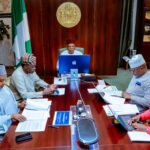
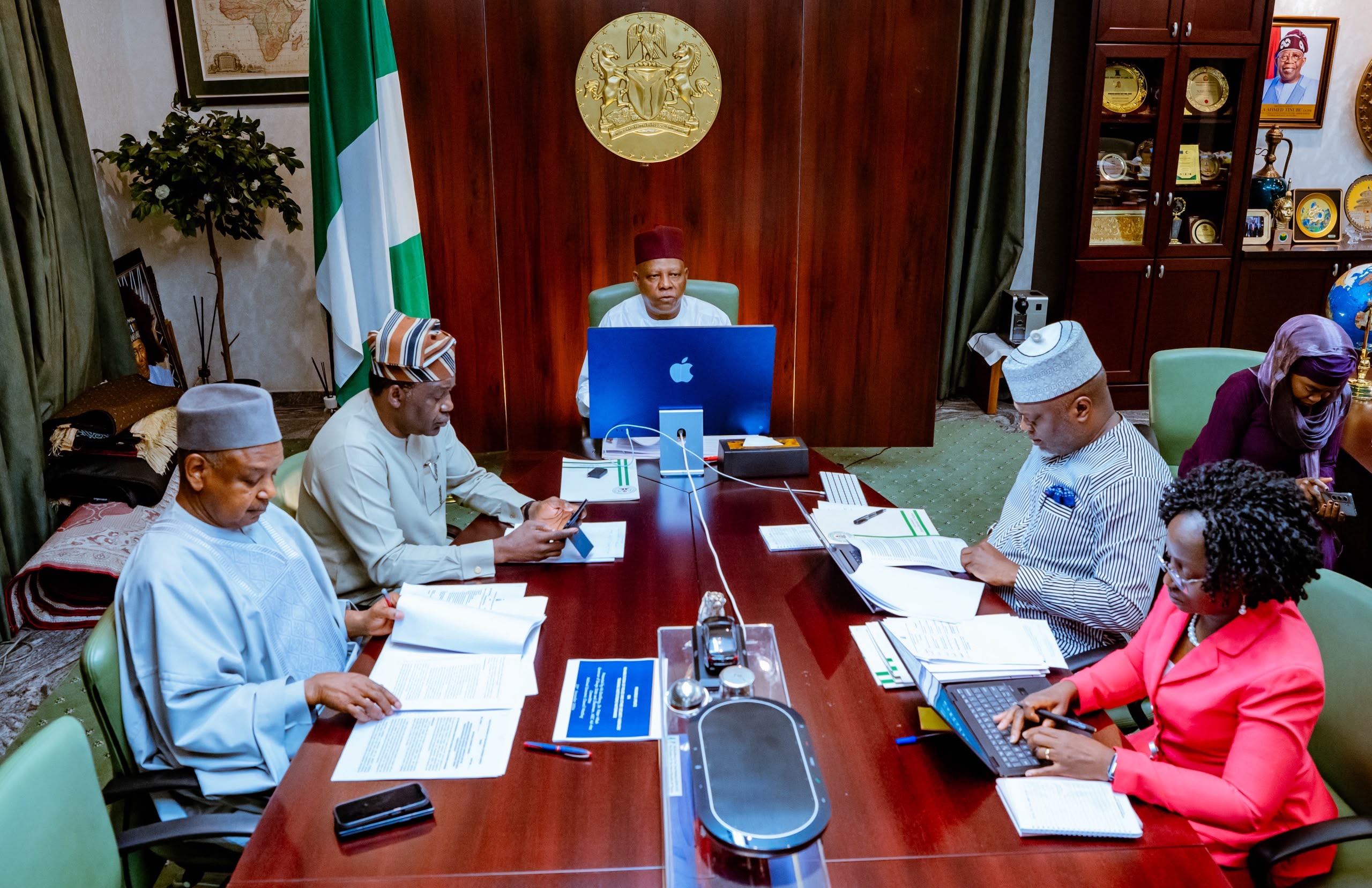
The fresh allocation, approved at the Council’s 162nd hybrid meeting presided over by Vice President Kashim Shettima yesterday, is intended to accelerate ongoing rehabilitation works at 13 locations, where only about 30 per cent of the projects have been completed.
The approval comes amid renewed efforts to strengthen police manpower and training capacity, as discussions on the establishment of state police gather momentum.
NEC also endorsed two development programmes involving proposed World Bank financing of $850 million for disaster preparedness and early childhood development, while the Federal Government acknowledged that improving economic indicators had yet to translate into sufficient relief for households and businesses. The additional police funding follows an earlier N100 billion approval after the Council established an ad hoc committee chaired by Enugu State Governor Peter Mbah in October 2025, following President Bola Tinubu’s recommendation.
Presenting its report, the committee said rehabilitation was ongoing at 13 police training locations nationwide, with approximately 30 per cent of the projects completed.
It explained that the additional allocation would facilitate the completion of ongoing works, modernise training facilities and expand the capacity of police institutions to accommodate the proposed recruitment of 50,000 personnel.
The Council also endorsed the proposed $350 million Accelerating Resilience through Investment Systems and Engagement (ARISE-Nigeria) Project, a six-year World Bank-supported programme aimed at strengthening the country’s capacity to anticipate, prepare for and respond to natural disasters.
The initiative will support emergency operations centres, early warning systems, weather monitoring and disaster response financing at federal and state levels, with between five and 10 states expected to participate in the initial phase.
Selection will be based on exposure to disaster risks, institutional readiness and commitment to emergency preparedness.
NEC similarly endorsed the State-Led Early Childhood Development Programme, involving proposed World Bank financing of $500 million and a potential additional $30 million grant from the Global Financing Facility. The programme seeks to expand access to healthcare, nutrition, early learning and child protection services across the 36 states and the Federal Capital Territory.
Under the initiative, early childhood development hubs will link primary healthcare facilities with childcare, preschool education and other essential services, particularly in underserved communities.
Minister of Finance and Coordinating Minister of the Economy, Taiwo Oyedele, reported improvements in several economic indicators but acknowledged that the gains had not sufficiently eased the cost-of-living pressures confronting Nigerians.
Presenting an economic update to the Council, Oyedele said Nigeria’s real Gross Domestic Product grew by 4.43 per cent in the second quarter of 2026, compared with 4.23 per cent in the corresponding period of 2025.
Other News
He disclosed that headline inflation declined for the fifth consecutive month to 14.06 per cent in October 2026, its lowest level since September 2020, while external reserves rose to $54.87 billion as of November 12.
According to him, the country’s trade surplus increased from N10.2 trillion in the first half of 2025 to N20.1 trillion in the corresponding period of 2026, while net revenue distributed through the Federation Account Allocation Committee (FAAC) rose by 44 per cent, from N15.2 trillion in 2024 to N21.9 trillion in 2025.
Despite the improvements, the minister said households and businesses continued to face pressure from food prices, electricity costs, high lending rates and unemployment.
He put food inflation at 19.13 per cent in October, noting that expensive credit and energy costs remained major constraints on businesses and household incomes.
On public sector reforms, NEC called for closer collaboration between the National Identity Management Commission (NIMC) and state governments to accelerate registration and integrate the National Identification Number into public services.
The Council said improved identity management would strengthen tax administration, eliminate duplicate records and reduce fraud in government payrolls, pensions and social intervention programmes.
It also approved a proposal by the National Pension Commission (PenCom), titled *Securing the Retirement of Nigerian Workers While Strengthening State Finances*, aimed at achieving full implementation of the Contributory Pension Scheme across the federation.
State governors were urged to establish implementation timelines and direct their administrative and finance teams to work with PenCom towards achieving the objective.
Earlier, Vice President Shettima warned that the sustainability of President Tinubu’s economic reforms would depend on the capacity of federal and state institutions to consolidate the gains and translate them into improvements in citizens’ welfare.
He urged ministries, departments and agencies, as well as state governments, to strengthen their institutions, clarify responsibilities and sustain cooperation across the tiers of government.
“While His Excellency, President Bola Ahmed Tinubu, GCFR, makes the difficult reforms to stabilise the economy, we must all participate in establishing institutions capable of sustaining the benefits of those reforms.
“This requires ministries and States to settle practical responsibilities without losing sight of the people affected. To achieve this, we must cooperate,” he said.
The Vice President also called for greater investment in disaster preparedness, arguing that governments must take preventive measures rather than wait until disasters occur before responding.
“People affected by an intervention must also have a place in shaping it. Their experience can reveal what a proposal overlooks. The strength of a project rests partly on the institutions and citizens that will carry it.”
He stressed that effective disaster preparedness required proactive investment, stronger institutions and the involvement of affected communities in planning and implementing interventions, rather than waiting until disasters occurred before taking action.