Follow Us on Google

From Fred Ezeh, Abuja
The National Agency for the Control of AIDS (NACA) has disclosed that 20 per cent of Nigerians living with HIV are unaware of their status, despite improvements in treatment coverage and viral suppression, warning that gaps in diagnosis, stigma and inadequate access to healthcare could undermine efforts to eliminate AIDS as a public health threat by 2030.
The agency said Nigeria’s 2025 HIV treatment cascade data showed that 80 per cent of people living with the virus knew their status, while 98 per cent of those diagnosed were receiving antiretroviral treatment and 94 per cent of patients on treatment had achieved viral suppression.
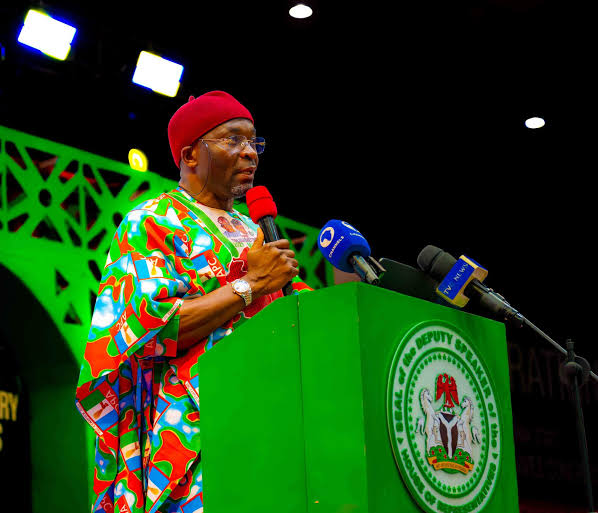
Director-General of NACA, Temitope Ilori, disclosed the figures in Abuja at a press briefing to launch activities marking the 2026 World AIDS Day, commemorated annually on December 1, under the theme, “Ending AIDS Starts with Access: Equity, Ownership and Sustainability.”
Ilori said the figures reflected progress towards the UNAIDS 95-95-95 targets, which seek to ensure that 95 per cent of people living with HIV know their status, 95 per cent of those diagnosed receive sustained treatment and 95 per cent of patients on treatment achieve viral suppression.
However, she acknowledged that Nigeria remained below the first target, stressing that improved treatment outcomes would not be sufficient unless more people were tested and linked to care.
She called for expanded HIV testing, uninterrupted access to antiretroviral medicines and stronger community-based interventions to reach people who remained outside the healthcare system.
According to her, achieving the 2030 target would require equitable access to prevention, testing, treatment and care, regardless of location, age, gender or economic circumstances.
The NACA boss identified stigma and discrimination as major obstacles to the national HIV response, warning that fear of rejection continued to discourage people from seeking testing and treatment.
She called for stronger enforcement of the HIV and AIDS (Anti-Discrimination) Act to protect people living with the virus and eliminate discriminatory practices that restrict access to essential services.
Ilori also urged federal, state and local governments to assume greater responsibility for financing and delivering HIV interventions, insisting that sustained progress would depend on stronger domestic funding, political commitment and resilient health systems.
Other News
On efforts to prevent mother-to-child transmission, she disclosed that early infant diagnosis coverage among HIV-exposed babies increased from 15 per cent in 2022 to 66 per cent in 2025.
She described the improvement as significant but maintained that more work was needed to ensure that every HIV-exposed infant had access to timely testing and appropriate care.
Reviewing the agency’s activities in 2026, Ilori listed the development and launch of the National HIV Prevention Plan, advancement of the National Strategic Plan and preparation of the National HIV Domestic Resource Mobilisation and Sustainability Strategy 2026–2030.
She said the sustainability strategy, scheduled for unveiling on December 1, would strengthen domestic financing, promote national ownership and reduce Nigeria’s dependence on external support for HIV programmes.
NACA, she added, had advanced implementation of the 2026 Integrated Biological and Behavioural Surveillance Survey and coordinated Nigeria’s proposal development for the Global Fund Grant Cycle 8.
The agency also plans to convene a National Prevention Conference, themed “Reimagining HIV Prevention Strategies in Nigeria,” to examine new approaches to reducing infections.
Ilori called for wider availability of HIV self-testing, pre-exposure prophylaxis and community-led prevention services, particularly among populations facing barriers to conventional healthcare.
Meanwhile, the Institute of Human Virology Nigeria (IHVN) reaffirmed its commitment to supporting the government and other stakeholders in strengthening access, equity and sustainability in the national HIV response.
In a goodwill message, the institute said ending AIDS would require stronger partnerships, local capacity and meaningful community participation, alongside sustained efforts to eliminate discrimination and other barriers to prevention and treatment.
Ilori urged the media to promote accurate information about HIV, counter misinformation and help reduce stigma, while encouraging Nigerians to know their status and support people living with the virus.
She maintained that the success of World AIDS Day should be measured by the number of lives reached, patients receiving treatment, children protected and barriers to healthcare removed, rather than the ceremonies organised to commemorate the occasion.