Follow Us on Google
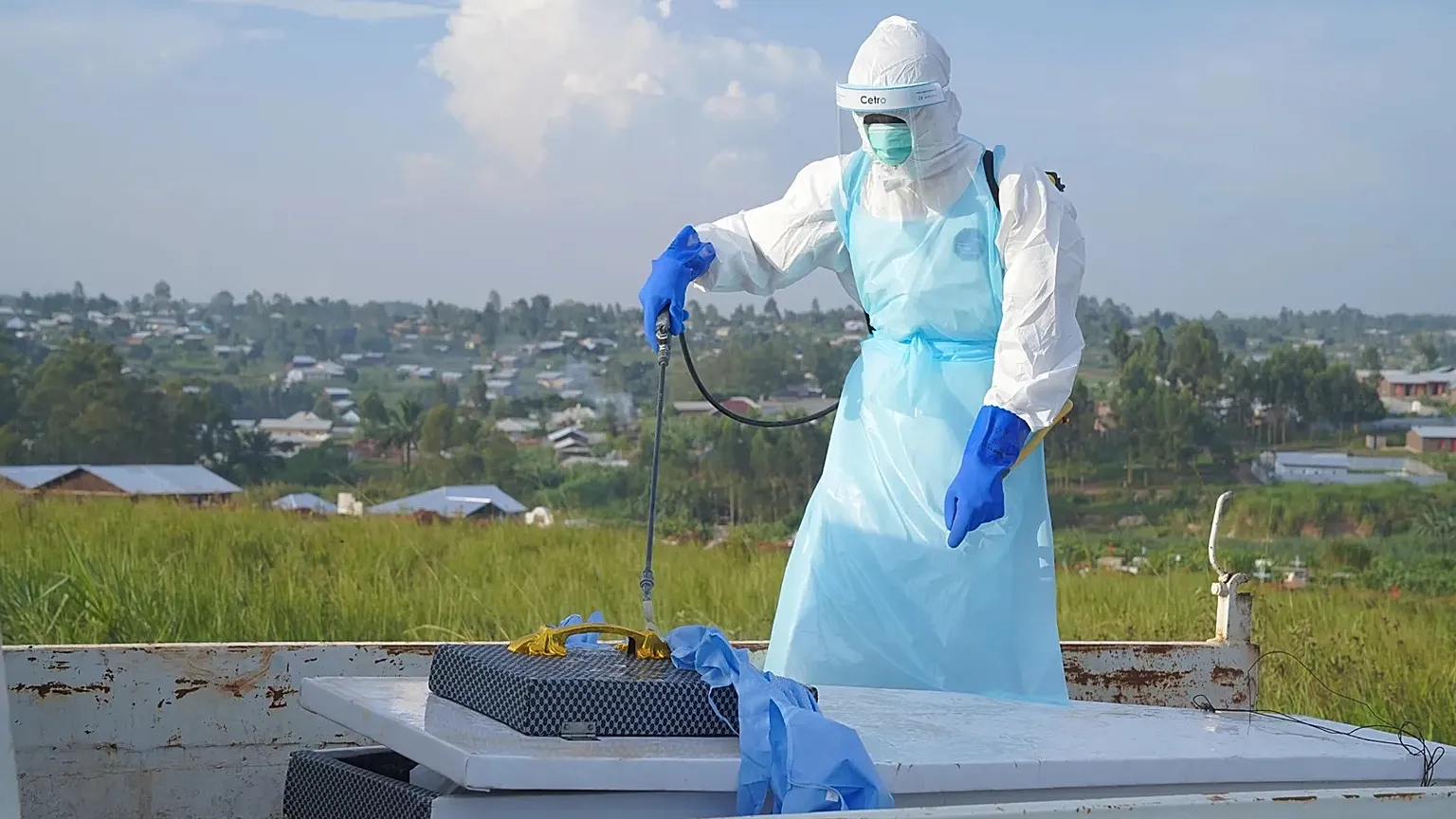
As a result of worsening cases of Ebola Virus Disease (EVD) in the Democratic Republic of Congo (DRC), the Nigeria Centre for Disease Control and Prevention (NCDC) has raised fresh alarm on the disease and announced that travellers from affected countries should be required to complete Nigeria Health Declaration Form. This form is designed to provide health and travel information that can assist surveillance and follow-up where necessary. The form also includes travel history, symptoms and possible exposure information. However, NCDC also stated that “passengers from other countries are exempted from completing the form at this time.”
The country has also increased surveillance and preparedness at its borders and other points of entry due to the continued spread of the Bundibugyo EVD in the DRC. The new measures are expected to reduce the risk of the virus being imported into the country. The Director-General of the NCDC, Dr. Jide Idris, signed the new advisory following a dynamic risk assessment and consultations with public health experts and the Federal Ministry of Health and Social Welfare, Port Health Services, the Federal Airports Authority of Nigeria (FAAN).
Others are the Nigeria Immigration Service and the Nigeria Civil Aviation authority (NCAA). The NCDC is also working with state ministries of health in preventive activities as international partners such as the World Health Organisation (WHO) and the Africa Centres for Disease Control and Prevention (Africa CDC) provide technical support.
According to NCDC, the preparedness measures would be reviewed continuously as the epidemiological situation develops. The NCDC also enjoins Nigerians and travelers to remain alert to symptoms associated with the disease, especially those with recent travel history or possible exposure to infected individuals.
The European Centre for Disease Control and Prevention (ECDC) revealed that the DRC had recorded 7,672 confirmed cases and 3,699 related deaths as of September 20, based on data available up to September 19. The agency also said that 886 patients were hospitalised in isolation while 1,879 people who had tested positive for the Bundibugyo virus had recovered. Ituri Province remained the epicentre, accounting for 5,913 confirmed cases and 2,703 deaths across 28 of its 36 health zones.
The symptoms of the disease, according to medical experts, include fever, weakness, muscle pain, headache, sore throat, vomiting, diarrhoea, rash, and in severe cases, internal and external bleeding. Those having any of these symptoms are advised to visit the nearest government health facility for medical attention.
Other News
Although Nigeria has not reported any case of Ebola Virus Disease in recent times, the NCDC fresh alarm over possible importation of the disease into the country is timely and should be heeded. We urge all the health agencies, especially those working at our various entry points and borders to be vigilant and ensure that all travellers from the Ebola affected countries are subjected to screening and filling of Nigeria Health Declaration Form.
Beyond the screening of passengers from DRC and other affected countries, we urge the health authorities to reactivate our public health vigilance, especially the non-pharmaceutical measures which include washing of hands, keeping social distance, temperature measurement, avoiding crowds and others that would reduce the possible spread of the disease.
It is good that the NCDC is carrying along the federal and state ministries of health and other agencies to provide the much-needed response against the importation of the disease into the country. We call on all health workers to be vigilant as well and treat travellers from Ebola endemic countries as potential carriers until the contrary is proved.
We laud the leadership of the NCDC for raising the alarm over possible importation of Ebola into the country due to rising cases of the disease in the DRC. With air travel and our porous borders, DRC is not too far away from Nigeria. Any disease can travel from there to Nigeria in a matter of days. The security operatives working at our borders and other entry points should work in concert with our health agencies at the borders to ensure that Ebola is not imported into the country again.
We recall that Ebola was first imported into the country through Lagos airport on July 20, 2014, by Patrick Sawyer, Liberian-American ECOWAS official. It led to the deaths of many doctors, nurses and other health workers and some Nigerians before it was defeated. We do not wish for a repeat of the tragic episode. Therefore, we urge the NCDC, federal and state health authorities and other health agencies, including global partners to work jointly to prevent possible importation of the disease into the country.