Follow Us on Google
By Philip Nwosu
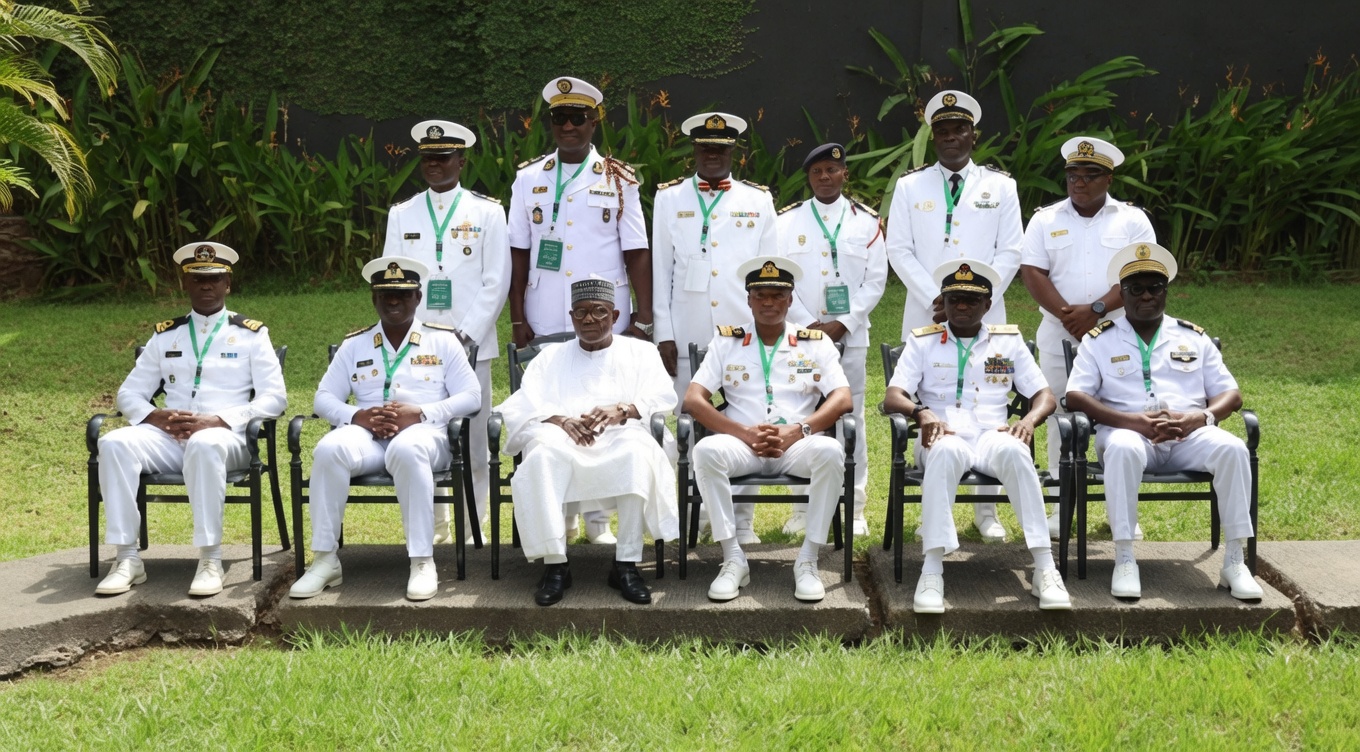
In a significant move aimed at strengthening maritime security across West Africa, the Nigerian Navy has formally inaugurated a multinational Combined Maritime Task Force (CMTF) to safeguard the Gulf of Guinea and combat growing maritime threats in the region.
The task force, headed by Commodore Mohammed Shettima, brings together naval commitments from six West African countries and is expected to serve as a permanent regional security mechanism for tackling piracy, protecting commercial shipping routes, and supporting humanitarian and peacekeeping operations.
The participating nations include Nigeria, Côte d’Ivoire, The Gambia, Ghana, Liberia, and Sierra Leone, reflecting a broad regional commitment to ensuring safety and stability within one of the world’s most strategically important maritime corridors.
Headquartered in Lagos, the CMTF has been designed as a standing operational force that remains on constant readiness to respond to emerging maritime security challenges across the Gulf of Guinea. Its establishment marks a major milestone in regional cooperation and collective security efforts among coastal states.
The Gulf of Guinea, stretching along the western coast of Africa, has for years been identified as a hotspot for maritime crimes, including piracy, illegal fishing, crude oil theft, sea robbery, human trafficking, and drug smuggling. These criminal activities have posed serious threats to international shipping, economic development, and regional stability.
Security experts have long advocated stronger collaboration among regional navies to address these challenges, noting that criminal networks often exploit national boundaries to evade law enforcement efforts. The newly inaugurated task force is expected to close these gaps by promoting coordinated maritime surveillance, intelligence sharing, and joint operational responses.
According to details released by the Nigerian Navy, the CMTF will undertake a broad range of responsibilities, including combating transnational organized crimes at sea, protecting critical maritime infrastructure, securing sea lines of communication, and supporting humanitarian assistance missions when required.
The force is also expected to play a vital role in peace support operations across the region by providing maritime logistics and transportation capabilities to regional and continental missions.
Other News
A major strength of the initiative lies in the strategic assets committed to the task force. The Nigerian Navy has pledged to provide critical sealift capabilities and logistical support, enabling the force to deploy rapidly in response to emergencies and security threats across the Gulf of Guinea.
The establishment of the multinational force comes at a time when regional governments are seeking more sustainable and collaborative approaches to maritime security. While incidents of piracy in the Gulf of Guinea have declined in recent years, authorities remain cautious, warning that criminal groups continue to adapt their tactics and remain active in parts of the region.
Analysts believe the permanent nature of the CMTF sets it apart from previous security arrangements that were largely based on temporary exercises and limited-duration operations. By maintaining a standing force with dedicated command structures and operational assets, member nations hope to ensure quicker responses to incidents and stronger deterrence against criminal activities.
The initiative also aligns with broader continental and international efforts to promote maritime security and economic prosperity in Africa. Safe and secure waterways are considered critical to facilitating trade, attracting investment, and supporting the livelihoods of millions of people who depend on maritime resources.
The Gulf of Guinea serves as a major shipping route for global commerce, transporting significant volumes of crude oil, agricultural products, and manufactured goods. Any disruption to maritime activities within the region has implications not only for West African economies but also for international trade.
Observers have described the launch of the Combined Maritime Task Force as a landmark achievement in regional naval cooperation and a demonstration of growing commitment among African nations to take ownership of their security challenges.
For Nigeria, the initiative further underscores the government’s determination to strengthen maritime governance and leverage the capabilities of the Nigerian Navy as a leading force in regional security operations.
With Commodore Mohammed Shettima at the helm and the support of participating nations, the task force is expected to enhance collective maritime awareness, improve operational coordination, and contribute significantly to the long-term security and stability of the Gulf of Guinea.
As the force begins operations from its headquarters in Lagos, stakeholders across the maritime sector will be watching closely to assess its impact on reducing maritime crime and safeguarding one of Africa’s most vital economic corridors.