Follow Us on Google

The Nigeria Centre for Disease Control and Prevention (NCDC) has said the N10 billion emergency intervention fund approved by President Bola Tinubu was inadequate to tackle Ebola and other epidemic-prone diseases in the country.
The agency said Nigeria required an estimated N104.4 billion annually to adequately implement its National Action Plan for Health Security (NAPHS 2.0), which covers 2025 to 2029.
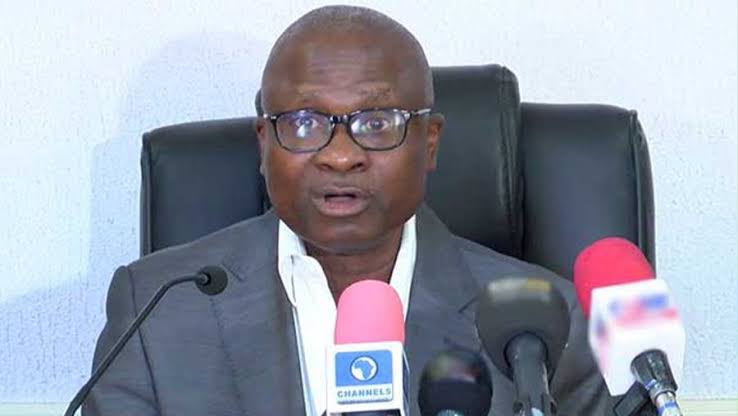
NCDC Director-General, Dr Jide Idris, disclosed this in a statement on Monday, explaining that the N10 billion intervention fund was intended to strengthen the country’s preparedness and response to multiple public health threats, not Ebola Virus Disease alone.
Idris said the plan, which was developed following the expiration of the first National Action Plan for Health Security, had an estimated implementation cost of N522 billion over five years.
He said the N10 billion allocation represented approximately two per cent of the average annual cost of implementing the plan, stressing that it should not be considered excessive given the scale of Nigeria’s health security requirements.
According to him, the funding was meant to strengthen prevention, preparedness, early detection, rapid response and resilient recovery from diseases of public health importance.
These include Lassa fever, cholera, cerebrospinal meningitis, diphtheria, measles, Mpox and antimicrobial resistance, in addition to Ebola.
The NCDC boss confirmed that the fund was released directly to the agency and not the Presidential Task Force on Ebola, chaired by the Chief of Staff to the President.
He explained that the task force was established primarily to coordinate the national response, while NCDC was responsible for addressing broader health security needs.
Idris said President Tinubu had steadily increased funding for the agency, with its allocation rising from N4 billion in 2024 to N7 billion in 2025.
He added that a N5 billion intervention fund followed in 2025, while the 2026 Appropriation provided N22 billion.
According to him, the President approved an additional N10 billion emergency intervention fund in June 2026, following the outbreak in the Democratic Republic of Congo.
The NCDC Director-General also cited estimates by the Global Preparedness Monitoring Board, which indicated that countries required between $1 and $2 per person annually to achieve acceptable epidemic preparedness.
For Nigeria’s estimated 240 million population, Idris said this translated to between $240 million and $480 million annually, underscoring the need for sustained funding from federal and state governments, as well as development partners.
He said inadequate investment in epidemic preparedness remained a major challenge globally, partly because governments often prioritised interventions with immediate and visible benefits over preventive measures.
On the Ebola situation, Idris said Nigeria had no active case following the confirmation of an imported Bundibugyo Ebola virus disease case on October 20.
He, however, warned that the country was not yet out of the woods, as contact monitoring would continue until the last identified contact completed the 21-day observation period without a new case.
The NCDC boss said the current situation did not warrant postponing elections, banning mass gatherings or restricting travel, noting that the agency had not recommended such measures.
He said technical guidelines had been developed for organisers of mass gatherings to ensure compliance with infection prevention and control protocols.
Idris urged Nigerians to avoid misinformation and politicisation of public health emergencies, insisting that health security was a matter of national security.
He assured Nigerians that the agency remained committed to transparency, accountability and prudent utilisation of public resources.