Follow Us on Google

From Fred Ezeh, Abuja
Nigeria’s blood supply crisis has deepened, with the National Blood Service Agency (NBSA) disclosing that its centres collected only 24,000 to 25,000 units of blood in 2025, far below the country’s estimated annual requirement of between 1.8 million and two million units.
The agency said Nigeria needed at least two per cent of its population to participate in blood donation to bridge the supply gap, improve access to safe blood and reduce the pressure on patients’ relatives, who are often compelled to source donors during medical emergencies.
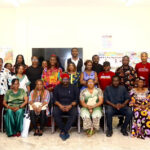
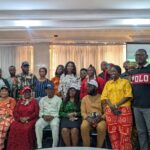
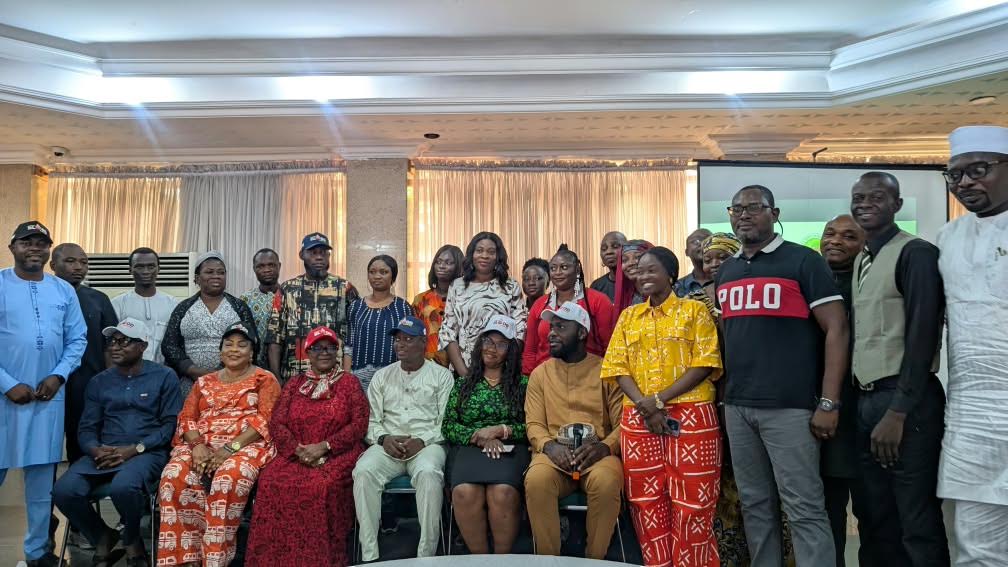
The Director-General of NBSA, Prof. Saleh Yuguda, who spoke through the Head of Operations Centre, Dr Aliyu Dahiru Waziri, disclosed this on Saturday at a media roundtable on voluntary blood donation, organised by the agency in collaboration with the International Society of Media in Public Health (ISMPH).
Yuguda said inadequate voluntary donations remained a major obstacle to achieving sufficient national blood reserves, despite efforts to improve blood collection and strengthen transfusion services.
He said: “Although the agency has been doing quite a lot in the past few years to make sure this mandate is being met, we still have some challenges when it comes to the total units of blood we are able to generate.
“As of last year, if we only take the census in the National Blood Service, we will only be talking about 24,000 or 25,000 units of blood generally. But with a population of more than 200 million people, we should be talking about at least two per cent of our population giving blood. So there is a huge gap that we need to fill.”
To address the challenge, Waziri disclosed that the agency was introducing a digital platform, the National Blood Management System, to monitor blood collection, processing, distribution and utilisation.
He explained that the electronic system would enable the agency to trace every unit of blood from the donor to the recipient and identify the source of complications arising from transfusion.
He also said NBSA was strengthening the registration and regulation of public and private blood banks, while expanding its hospital linkage programme to improve blood distribution and ensure compliance with approved standards.
Waziri expressed concern over the practice of transporting blood in ordinary coolers without adequate temperature-control arrangements, warning that such practices could compromise blood quality and safety.
Other News
Meanwhile, ISMPH has identified inadequate public awareness, fear, cultural and religious misconceptions, and misinformation as major factors discouraging Nigerians from voluntary blood donation.
Speaking on behalf of the organisation, Moji Makanjuola said the media had a critical responsibility to educate the public, correct misconceptions and encourage eligible Nigerians to embrace regular voluntary blood donation.
She urged journalists to work with healthcare professionals and blood transfusion experts to address false beliefs that donating blood causes weakness, infertility, illness or permanent loss of blood.
As part of its intervention, ISMPH said it was developing a national awareness campaign for NBSA under the theme “Your Blood, a Lifeline” and the slogan “Donate Blood Today and Save More Lives”.
“The campaign targets eligible adults between 18 and 65 years across the six geopolitical zones, particularly first-time and lapsed donors. A major component is a 13-episode radio drama series titled ‘The Gift of Life’, with each episode expected to last 15 minutes.”
The organisation said the drama would use relatable characters and everyday situations to educate Nigerians about blood donation and address common misconceptions.
ISMPH also disclosed that production of radio jingles had commenced in English, Pidgin and major Nigerian languages, while plans were under way for radio and television interviews featuring NBSA medical experts.
The organisation said the drama would subsequently be adapted into Hausa, Igbo, Yoruba and Pidgin to broaden its reach.
It said the campaign also sought the involvement of families, religious and traditional leaders, community organisations and regular donors in building a sustainable culture of voluntary blood donation.