Follow Us on Google
From Fred Ezeh, Abuja
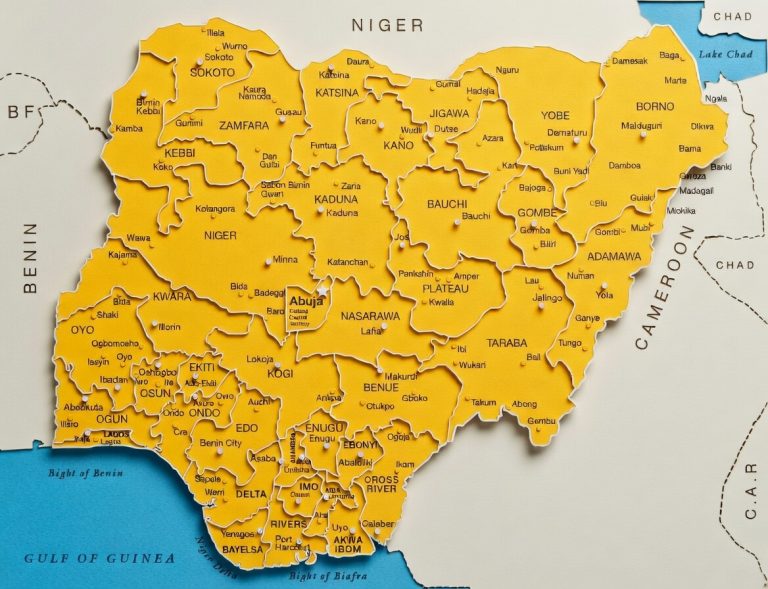
International humanitarian medical organisation, Médecins Sans Frontières (MSF) otherwise known as Doctors Without Borders has launched a new nutrition intervention programme in Kebbi State centred on the use of Tom Brown, a locally produced food supplement, to tackle rising cases of child malnutrition and prevent vulnerable children from developing life-threatening conditions.
The initiative follows a significant increase in severe acute malnutrition (SAM) cases recorded in Kebbi between 2024 and 2025.
MSF, in a statement, said the programme is expected to benefit more than 16,000 children suffering from moderate acute malnutrition (MAM) by the end of 2026.
MSF Nigeria Country Coordinator, Stuart Alexander Zimble, described the situation in Kebbi as alarming, noting that malnutrition remains one of the leading causes of death among children under five years of age.
“Malnutrition remains alarmingly widespread in Kebbi State and is a leading cause of death among children under five. Authorities and humanitarian actors must urgently increase their support to prevent further avoidable deaths,” he said.
According to UNICEF data cited by MSF, about 30 newborns and 100 children under five die daily in Kebbi State, with nearly half of those deaths linked to malnutrition. Child mortality is further compounded by high rates of stunting, widespread malaria infections and poor immunisation coverage, with only 7.4 per cent of children under two years fully vaccinated.
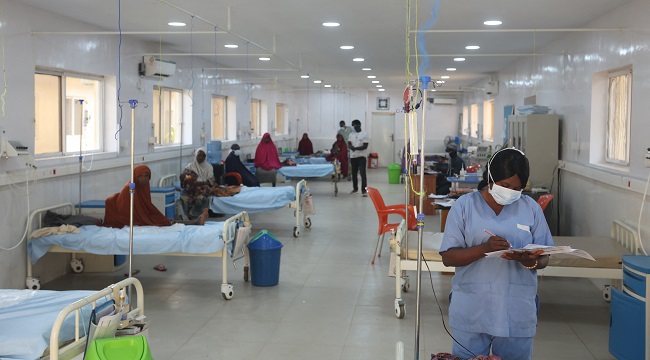
Since March 2022, MSF has been providing free treatment for children suffering from severe and complicated malnutrition through two inpatient therapeutic feeding centres and four outpatient therapeutic feeding centres across the state.
However, the organisation said it witnessed a sharp rise in severe malnutrition cases between 2024 and 2025. After suspending admissions for children with moderate acute malnutrition in September 2024 to prioritise severe cases, MSF recorded a 41 per cent increase in severe cases treated at outpatient facilities and a 39 per cent rise in inpatient admissions.
“We sadly observed that children who initially presented with moderate malnutrition deteriorated and later returned with severe, often life-threatening symptoms,” Zimble explained.
In response, MSF revised its approach in early 2026, placing greater emphasis on early intervention and prevention. The Tom Brown programme was launched ahead of the annual lean season, a period of food scarcity that typically begins in May before harvests are available.
It explained that Tom Brown, also known locally as “Garin Kunu” is a traditional Nigerian nutritional blend made from sorghum, soya beans and groundnuts. The product is widely accepted within communities and provides essential nutrients needed for healthy growth and development in children.
Under the first phase of the programme, MSF will distribute approximately 20,000 kilograms of the flour blend in Jega and Maiyama Local Government Areas to children aged six months to five years who are affected by moderate acute malnutrition.
The organisation said the initiative forms part of broader community-based interventions that include health promotion, family planning services and malaria testing during seasonal prevention campaigns. It also seeks to strengthen community and primary healthcare systems for early identification and treatment of malnutrition.
MSF pointed to encouraging results from a similar programme implemented in Gombe State between 2022 and 2023. It made reference to s study involving 1,207 children with moderate acute malnutrition which recorded a recovery rate of 90.2 per cent, while only 7.5 per cent of participants defaulted from treatment.
Zimble said the use of locally sourced ingredients makes the programme both scalable and sustainable, urging governments, humanitarian agencies and development partners to invest more in community-based nutrition initiatives.
“Since Tom Brown is produced using locally sourced ingredients, these approaches have the potential to be implemented at scale and adapted to local contexts. Community-led production models, including community kitchens and other local initiatives, could help strengthen ownership, improve access and support longer-term sustainability,” he said.
MSF said the programme will initially be implemented in selected communities, with outcomes to be assessed after several months. If successful, it may be expanded to all five local government areas where the organisation currently operates in Kebbi State.
By December 2026, the organisation expects about 16,234 children to have benefited from the initiative.