Follow Us on Google
-
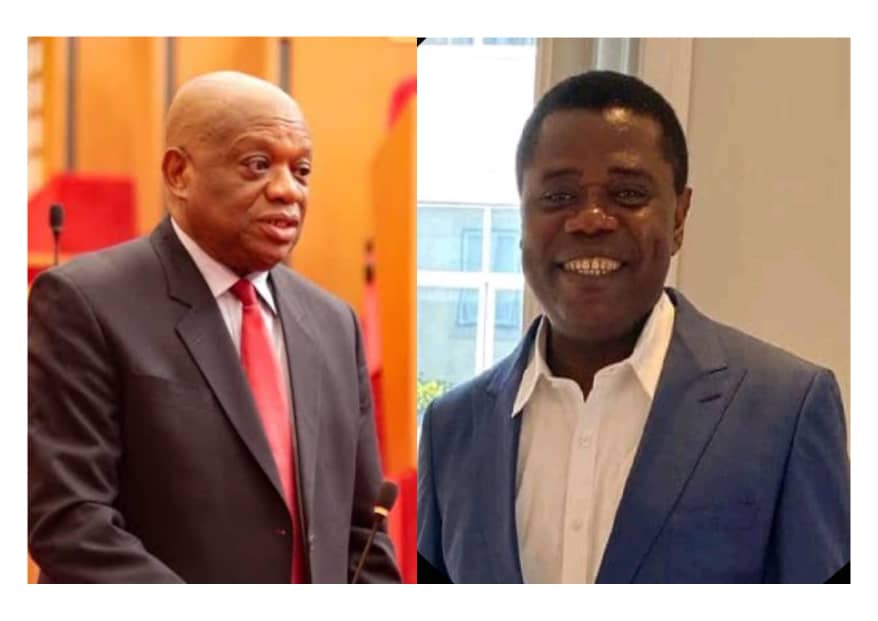
Cedric Masters, Kia, Jet Motor hail Orji Kalu
By Moses Akaigwe
More stakeholders in the domestic auto industry have lent their voices to the flurry of commendations that have been going to the Senate for the Electric Vehicle Transition and Green Mobility Bill, 2025 which recently scaled through the second reading in the Red Chamber.
Sponsored by the Senator representing Abia North, Dr. Orji Uzor Kalu, the bill is being commended as a piece of legislation that would guide Nigeria’s journey towards a greener, electrified mobility.
In the latest appreciation, Cedric Masters, Kia Motors Nigeria and Jet Motor Company, last week joined the growing number of automakers to thank the federal lawmakers for the initiative, even as some of the stakeholders also described electric vehicles as the future of mobility, especially in Nigeria and the African continent in general.
Congratulating the Senate and Senator Orji Kalu on the successful second reading of the bill, KIA Motors Nigeria stated that the draft law is in line with President Bola Tinubu’s green mobility initiative
Kia Motors’ commendation was contained in a press statement on Thursday in which the company observed that the bill is a transformative step that aligns perfectly with the President’s Renewed Hope Agenda and the nation’s transition toward sustainable mobility.
The press statement disclosed that as one of Nigeria’s foremost automobile and electric vehicle manufacturers, KIA Motors Nigeria has long anticipated the coming of a legal framework which the bill would lead to.
The automaker assured that with its vehicle assembly plant and commitment to over 70 percent local content production and inclusivity, the company is strategically positioned to support the country’s shift to cleaner, greener transportation.
According to the company, the Electric Vehicle bill would not only create thousands of skilled jobs but also stimulate local manufacturing, reduce the cost of electric vehicles, and power economic growth through sustainable innovation.
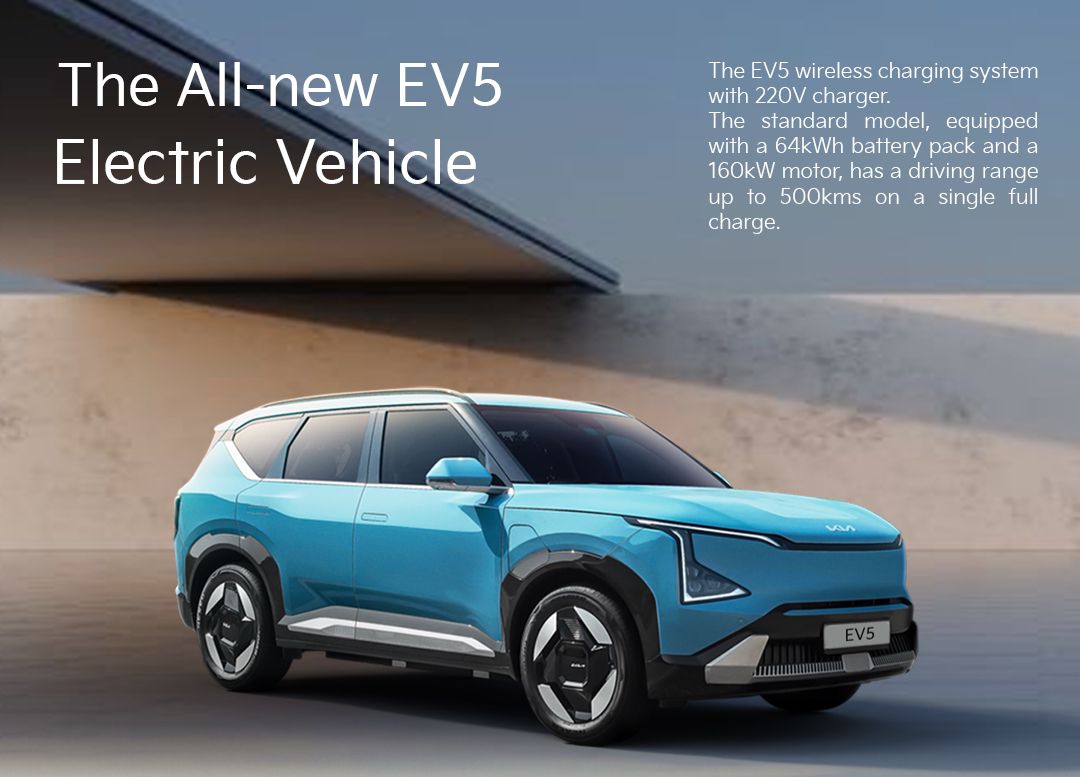
The Chief Executive Officer of KIA Motors Nigeria, Jacky Hathiramani. highlighted the likely impact of the legislation, saying,”This bill reflects a decisive commitment by the government of President Tinubu to secure Nigeria’s future through clean energy and industrial growth.
“KIA is fully aligned with this vision and remains ready to collaborate with government agencies, investors, and partners to accelerate the transition to electric mobility.”
”We also extend our deep appreciation to Dr Orji Uzor Kalu for championing the bill and to President Tinubu for his forward-thinking leadership and reaffirm our capacity and readiness to support the government’s implementation efforts, ensuring that Nigerians benefit from affordable, high-quality electric cars, buses and commercial vehicles assembled locally.”
The press statement further assured that with Kia Motors’ proven record of innovation, strong local workforce, and commitment to environmental sustainability, the company stands ready to drive the next chapter of Nigeria’s automotive revolution — one powered by clean energy, local talent, and the Renewed Hope Agenda.
Like Kia Motors, the management of Cedric Masters Group, which owns a Lagos- based auto assembly plant,, also lauded the introduction of the bill.
The Chairman of Cedric Masters Group, Chief Anselm Ilekuba, who is also the National Coordinator of ALCMAN (Automotive Local Content Manufacturers Association of Nigeria), eulogised the Senators for conceiving a legal compass for electric mobility in Nigeria.
Through ALCMAN, Chief Ilekuba has been in the vanguard of the efforts to boost auto parts manufacturing for vehicle production in Nigeria, while at the same time using Celtic Masters to contribute to driving the domestic auto industry towards developing electric vehicle technology.
The industrialist further remarked that it was heartwarming to note that the federal lawmakers were taking steps to encourage the efforts of investors in Nigeria’s auto sector who defy a very challenging atmosphere to operate
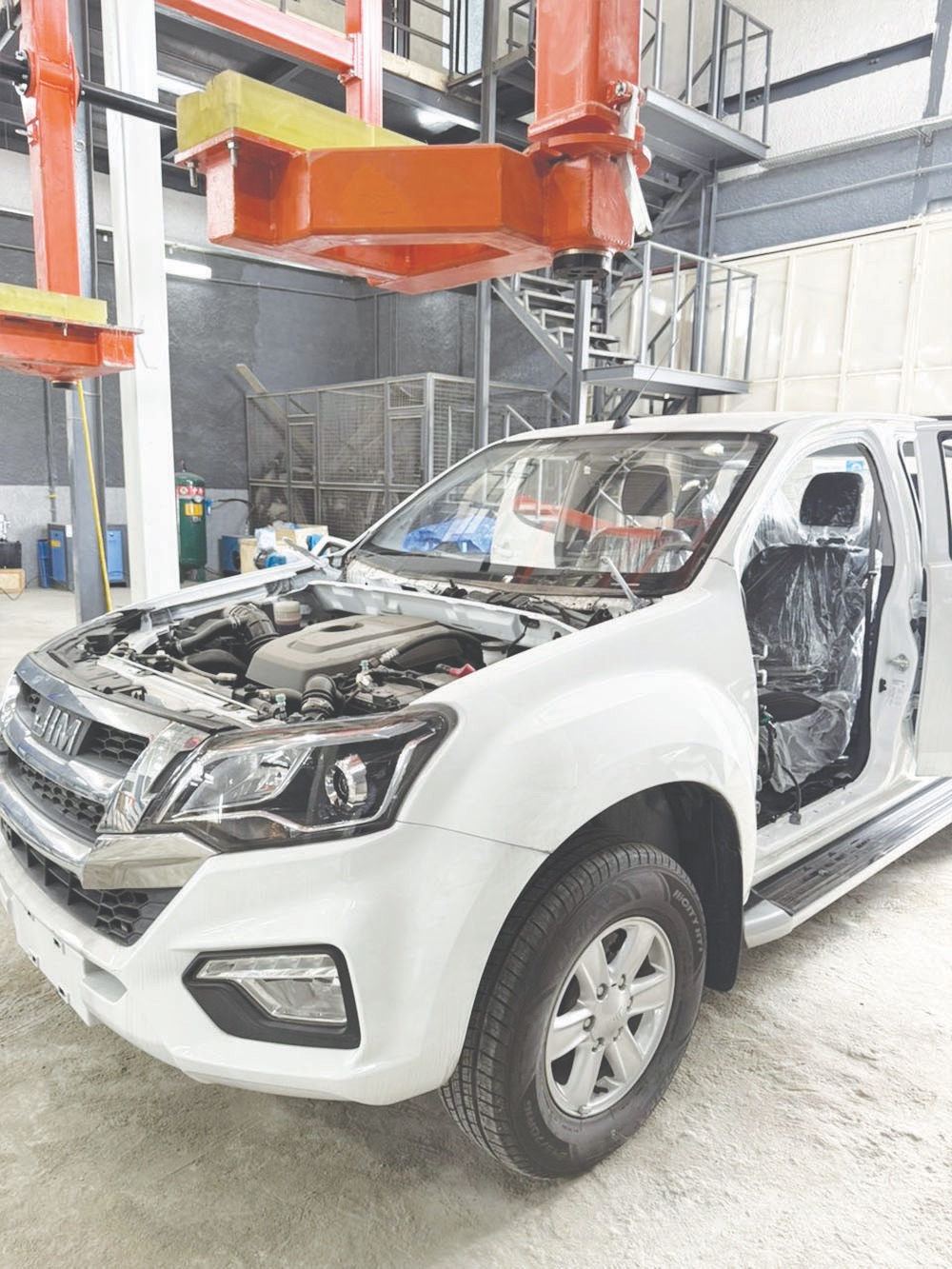
He was hopeful that supportive initiatives by the Federal Government, such as the bill by the Senate, would help investments like Cedric Masters’ assembly plant in the Lekki area of Lagos, where the JIM-ISUZU brand of vehicles are produced.
Other News
Apart from the rugged 2.4 litre JIM ISUZU Re-Max 4×4 pick-up which has already started making a mark in the light commercial vehicles market as a reliable work horse, Cedric Masters is also ushering into the Nigerian market the Leapmotor brand known for its affordable and tech-focused new energy vehicles (NEVs).
The company is also introducing in the local market the Voyah brand of luxury electric vehicles.
The Cedric Masters Group Chairman also stated, “Our subsidiary, Cedric Clean Energy Solution, which has an electric charge station assembly plant in Lekki, Lagos State, sees this bill as a wonderful development and calls for greater stakeholder involvement, especially with NADDC and ALCMAN.”
“I commend Senator Orji Uzor Kalu for this laudable bill which shows vision and will serve as a cursor to the long-awaited Nigerian Automotive Industry Development Programme.”
The Electric Vehicle Transition and Green Mobility Bill, 2025 was also analysed by Engr. Derek Ewelukwa, the Managing Director of Jet Motor Company, Nigeria’s first electric bus assembler with a plant also in Lekki, Lagos.
Ewelukwa, commended Senator Orji Uzor Kalu for being very thoughtful,, and called for all hands to be on deck to ensure that the draft is passed and signed into law (an act) at the end of the normal process.
He listed the areas in which the act would impact on the industry, including encouraging domestic production and assembly of electric vehicles, which would in turn generate employment opportunities and decrease reliance on imports; as well as speed up the uptake of electric vehicles by private citizens, companies, and public institutions.
The implementation would also lead to the building of a countrywide network of charging stations that incorporate renewable energy sources, in addition to cutting down on greenhouse gas emissions, atmospheric pollution, and dependence on petroleum-based fuels.

The Jet Motor MD, said: “Overall, if the purpose of this bill is achieved, and the shift to EV adoption happens successfully amongst the citizens, it would be a significant relief to the cost of transportation.
“The long term cost of owning and using an EV is significantly lower than that of a comparable ICE vehicle.
“The only immediate drawback I see is that its success hinges on stable electricity supply and affordability of EVs. Without robust financing options, adoption may remain low.
“This is where the Federal Government and its agencies will have to come in and spur up the space by injecting substantial cash into charging infrastructure development as well as tax holidays, subsidies, and waivers for EV businesses. These savings will in turn be passed on to potential EV owners.”
Recalling his personal experience with electric vehicles back in the US in 2021 when he switched his Tesla vehicles from consuming fossil fuel to full battery EV,, Engr. Ewelukwa said he has been “a big advocate of EVs from day one.”
He gleefully remarked, “In my opinion, EVs are the future of the auto industry. Since relocating back to Nigeria, I found it difficult and unsustainable to drive ICE (internal combustion engine) vehicles. So much so that I had to bring back one of my Tesla vehicles to Nigeria. I currently use this vehicle comfortably in Abuja.”
When the proposed legislation had its second reading on Wednesday, November 5, 2025, at the Senate,the lawmakers overwhelmingly supported Senator Orji Kalu, describing the initiative as a necessary step to diversify the economy and align with global clean energy trends.
The bill targets to provide tax holidays, import duty waivers, toll exemptions, and subsidies for electric vehicle users and investors; and make it mandatory for all fuel stations to install charging points
When it becomes an act, it would require foreign automakers seeking to sell electric vehicles in Nigeria to partner with licensed local assemblers and establish domestic assembly plants within three years.
It also aims to compel companies to source at least 30 percent of their components locally by 2030, while violations could attract fines of up to 250 million naira per breach, even as unlicensed importers risk penalties of 500 million naira and confiscation of goods.
The act which is expected to position Nigeria as a potential hub for electric vehicles production in Africa, would incentivise investors who establish charging infrastructure by availing them with government grants and tax credits.