Follow Us on Google

From Benjamin Babine, Abuja
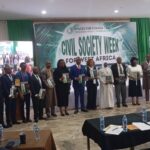
An Associate Fellow of Chatham House, Mr Matthew Page, has urged the Independent Corrupt Practices and Other Related Offences Commission (ICPC), to beam it’s light on real estate illicit financial flows (IFF) disclosing that over $400million is being laundered by politicians via real estate proxies abroad.
Mr Page who was a resource person at a capacity building session for ICPC investigators, disclosed that over 800 properties in London and Dubai worth over $400million are owned by Nigerian politicians and are held by proxies and shell companies.
In his paper presentation titled “IFFs through the Real Estate and Education Sectors: Implications for Investigators”, Page urged investigators of the ICPC to pay attention to real estate and education sectors-linked illicit financial flows.
He noted that IFFs have provided opportunities for politically exposed persons (PEPs) in Nigeria to launder money through real estate and education sectors.
“Most of the properties held by Nigerian politicians in London and Dubai are held by proxies, family and shell companies. Over 800 properties worth over $400 million have been linked to Nigerian PEPs,” Page said.
Other News
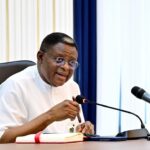
In his contributionat the occasion, ICPC Chairman, Prof Bolaji Owasanoye, said the information would help investigators track illicit financial flows, money laundering and other areas the government is losing revenue to enable it recover such funds.
“The loss of revenue is a major challenge to developing countries, particularly Nigeria. The meeting is therefore designed to build the capacity of our investigators to enable them to trace the areas in which the government is losing money, look to the likely places people hide money to stop the illicit financial flows, and recover the funds.
“We are already working with the FIRS and getting a lot of tax evaders and defaulters into the nation’s tax net. One of the takeaways from here is the kind of question an investigator needs to ask in tracking IFFs and money laundering,” Prof. Owasanoye explained.
Owasanoye said the 2,000 corporate entities were uncovered by investigations undertaken by the Commission, and their names have been forwarded to the Federal Inland Revenue Service (FIRS) for profiling.
He said: “Some of these entities are not registered and do not pay tax while others are registered but still do not pay tax. The ICPC has been able to recover significant amount in taxes for the government.”
He stressed the need to widen the revenue base, improve tax collection, combat tax evasion and illicit financial flows as well as asset recovery to improve the country’s finances.