Follow Us on Google
From Idu Jude, Abuja
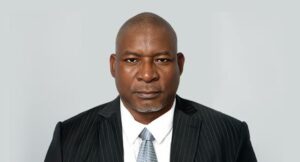
The Auditor General of the Federation, Mr. Shankar Kanyitor Chira, has said that modern internal audit techniques are key to blocking leakages and maximising internally generated revenue(IGR) in the Marine and Blue Economy project of the present administration.
The Auditor General remarked on Monday in Abuja while giving his goodwill message at a two-day workshop organised by the audit unit of the Ministry of Marine and Blue Economy on harnessing financial regulations for economic growth.
The AGF, further encapsulating the need for modern internal audit techniques, said the workshop came at a pivotal time when the need to diversify Nigeria’s revenue base and maximize the vast potential of the blue economy has become a national priority.
According to the AGF, “The marine and blue economy sector holds tremendous opportunities through various revenue streams, including port operations, fishing licenses, oil and gas royalties, customs duties, and maritime tourism.
However, he said, these streams are often constrained by challenges such as revenue leakages, inefficiencies in collection systems, and governance gaps.
The Auditor General, who was represented at the workshop by Uchechukwu Nwaede Ogwe Director, Treasury Audit Department at the Office of the Auditor General of the Federation, also stressed: “To address these challenges, modern audit techniques are indispensable. Tools such as risk-based auditing, data analytics, and digital monitoring systems can uncover hidden inefficiencies, improve accountability, and ensure that money generated is accounted for. For instance, effective auditing can help tackle issues such as smuggling, diversion of port fees, and oil theft, while also promoting compliance with environmental levies.
“Applying modern audit techniques, embracing the dynamism that is the hallmark of auditing and strict compliance with ethical standards with unreserved support from management, the auditor in the Marine and Blue Economy would contribute substantially to improving revenue from the sector.
“In my view, this workshop provides an excellent platform for stakeholders to engage, exchange ideas, and develop actionable strategies to address these challenges. It also underscores the Ministry’s commitment to ensuring the sustainable use of Nigeria’s marine resources and fostering economic growth.
Speaking in an opening remark, the Permanent Secretary of Marine and Blue Economy, Mr. Olufemi Michael Oloruntola, described ‘Modern Audit Techniques as a Panacea to Improve Internally Generated Revenue (IGR) in the Marine and Blue Economy Sector.”
Other News
He said the workshop has come at a crucial time for the nation.
He said that in the effort to diversify revenue sources beyond oil, the marine and blue economy sector offers numerous opportunities for growth, including fisheries, shipping, and coastal tourism.
Mr Oloruntola further admitted that the sector has the potential to create jobs, increase incomes, and drive sustainable development.
However, challenges such as revenue leakages, inefficiencies, and governance gaps continue to limit the ability to fully optimise Internally Generated Revenue (IGR) in the sector.
“The internal audits play a vital role in addressing these issues. Modern audit techniques, like data analytics, automation, and risk-based auditing are indispensable tools for enhancing transparency, accountability, and financial discipline.
“These techniques enable real-time revenue tracking, mitigate risks, optimize resource use, and strengthen stakeholder confidence.
Meanwhile, the Permanent Secretary has said that the workshop provides a valuable opportunity for learning and improvement. “As Auditors, your role extends beyond reviewing accounts; you are essential in helping organizations enhance their performance and achieve their objectives. I encourage you to actively engage with the experts, case studies, and strategies that will be discussed throughout this session.
“By adopting modern audit practices, we can improve revenue collection, reduce waste, and ensure that the marine and blue economy contribute to the growth of our country. We should commit to using what we learn at this workshop to make a difference.
The Director of Internal Audit, Ministry of Marine and Blue Economy, Mrs. Jumbo Obenachi Renner, in an overview of the program, said that the workshop would provide possible modern internal audit techniques to end leakages and to make the Blue Economy project second to crude oil in revenue generation.
“This is because we recognize the immense potential of the Marine and Blue economy as a pivotal driver of economic growth and sustainability. However, to harness this potential effectively, it is important to adopt innovative strategies, robust practice, and a forward-thinking approach to succeed.