Follow Us on Google
…Backs reforms, urges youths to embrace innovation
By Uche Usim
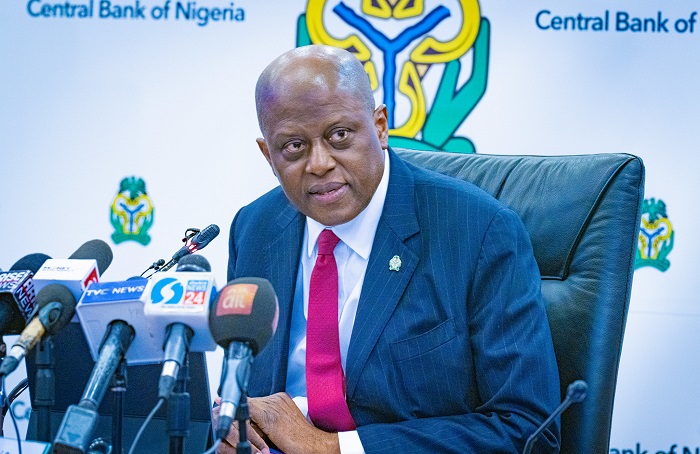
Governor, Central Bank of Nigeria, Olayemi Cardoso, has declared that the economic and monetary reforms currently implemented in Nigeria have positioned the country to better withstand both domestic and global economic shocks.
His comments sprang from Nigerians’ fears that the ongoing disruptions from the United States, Israel and Iran war will toss the economy downhill.
Speaking as guest speaker at the Founders’ Day celebration of the St Gregory’s College Old Boys Association in Lagos yesterday, Cardoso said recent policy adjustments were designed to restore macroeconomic stability and strengthen the country’s financial system.
“The storms may come but our house will stand firm. Yes, the Middle East hostilities have the capacity to cause disruptions, but we shall stand strong”, he assured.
According to the CBN governor, Nigeria’s economic resilience is increasingly supported by reforms aimed at strengthening institutions, restoring investor confidence and stabilising key economic indicators.
Cardoso highlighted the growing importance of financial technology in shaping the country’s economic future, describing Nigeria as one of the most dynamic fintech hubs on the continent.
“Nigeria hosts one of the most dynamic financial ecosystems and fintechs. They are building technologies that weren’t in existence a decade ago, and we take this fintech space very seriously because it is vital,” he said.
He noted that the central bank is strengthening regulatory frameworks to ensure innovation in the sector contributes to sustainable economic growth and financial stability.
The CBN governor also urged young Nigerians to embrace interdisciplinary learning and digital skills in order to remain competitive in the rapidly evolving global economy.
“The future belongs to those who can combine various initiatives and work across multiple disciplines.
Other News
“Skills such as coding, digital media and technology will enhance careers in the years ahead.”
Cardoso defended the central bank’s shift toward orthodox monetary policy, noting that previous quasi-interventionist practices had contributed to distortions within the economy.
“We have resisted quasi-intervention but are clinging to orthodox methods. Those past practices led to depreciation of the naira, foreign exchange crises, printing of money through Ways and Means, and ultimately destabilised the economy,” he said.
He said the central bank’s tight monetary stance was already helping to ease inflationary pressures across the economy.
“Our tight monetary stance has helped to cool inflation from a peak of about 34 percent to around 15 percent, and our goal is to bring it down to a single digit,” he stated.
Cardoso reiterated the apex bank’s commitment to transparency and sound governance in the management of monetary policy.
“We are committed to sound governance of monetary policy administration,” he added.
Providing an update on the ongoing banking sector recapitalisation programme, the CBN governor disclosed that many financial institutions have already met the new capital requirements.
According to him, 30 banks have met the capital thresholds required for their respective licence categories, while 33 others have successfully pooled the necessary funds and are currently progressing through the regulatory process.
“The remaining institutions are undergoing the process in line with the laid down guidelines and compliance framework,” he said.
Cardoso expressed confidence that the recapitalisation exercise would strengthen the resilience of Nigeria’s banking system and position the sector to support long-term economic growth.