Follow Us on Google
By Merit Ibe
The Manufacturers Association of Nigeria (MAN) and the Chief Executive Officer of Dangote Group, Aliko Dangote, have described the Nigeria First policy, as a bold step toward achieving sustainable industrialisation, stressing that its success hinges on strong legislation and effective institutional enforcement.
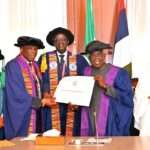
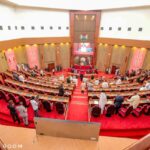
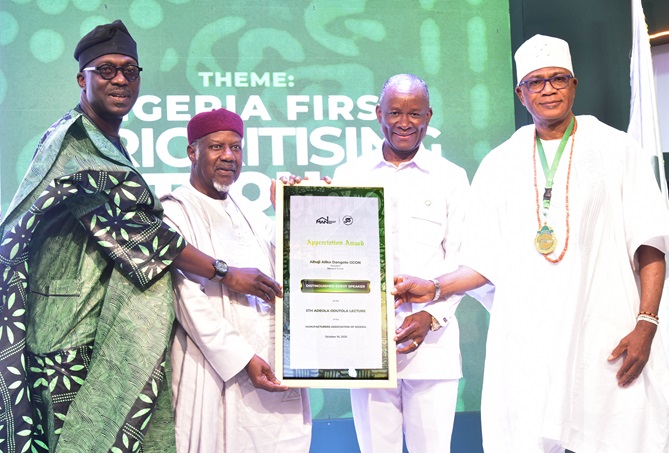
They spoke at the 5th Adeola Odutola Lecture and Presidential Luncheon in Lagos, with the theme: “Nigeria First: Prioritising Patronage of Made in Nigeria,” where it was brought to fore that Nigeria’s current underperformance in terms of its manufacturing share of the GDP has remained below 10 per cent, underscoring persistent structural hurdles and missed opportunities for industrial advancement.
The event, which was the grand finale of the 53rd Annual General Meeting of MAN, saw stakeholders elucidate that countries with strong manufacturing base enjoy higher innovation; diversified economies and substantial export revenues.
Dangote, who was the distinguished guest speaker, emphasised that for the Nigeria First policy to work, it must be designed as a durable, binding national strategy for industrial development capable of withstanding political transitions and market pressure.
Represented by the Executive Director, Dangote Group and immediate past President of MAN, Mansur Ahmed, Dangote noted that the Nigeria First policy calls for a deliberate shift toward local industrial development and expansion, ensuring that Nigerian products, talent, and industries take priority in national procurement and trade decisions.
Other News
If implemented effectively, he was optimistic that the policy can boost GDP, reduce import dependence, and generate jobs.
Dangote also pointed out that for the policy to work, it must be designed as a durable, binding national strategy for industrial development, capable of withstanding political transitions and market pressures alike.
“It should be anchored on both global best practices and Nigeria’s own industrial realities,” he said.
He further advised that the first thing to do is to gazette the policy as a binding law with punitive measures for non-compliance.
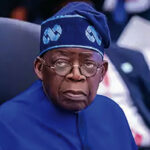
The Minister of State, Federal Ministry of Industry, Trade and Investment, John Owan Enoh, who represented the president, Bola Tinubu, said, based on studies carried out, the national campaign to reposition made-in-Nigerian goods and services will lead to an increase of at least N3 trillion in economic terms annually.