Follow Us on Google

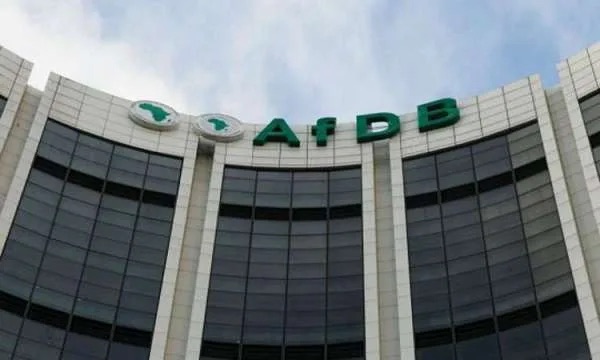
There is no doubt that small and medium-sized enterprises (SMEs) in the country face high borrowing costs, excessive taxation, infrastructure deficits, insecurity, trade barriers and other challenges that hinder their effective and efficient contributions to the economy. These persistent problems have necessitated the newly approved African Development Bank’s $102 million financing package for SMEs in the country. The facility is designed to support at least 200 businesses and create up to 6,000 jobs across the country. This is a laudable intervention from AfDB.
The facility is unique in its packaging. Rather than offering a single type of loan, the financing through the Sterlindress, Nigeria, combines four instruments designed to address different funding needs – from business expansion and sustainable investments to agriculture lending and international trade. The largest component is a $50 million credit facility that will provide long-term financing to businesses in healthcare, education, renewable energy and transportation.
Also, women and young entrepreneurs are expected to receive a significant share of the funding, with at least $15 million, representing 30 per cent of the facility, set aside for eligible women-owned, women-led and youth-owned businesses. There is also a $30 million trade finance guarantee that is projected to unlock up to $150 million in trade volume to help businesses buy inputs or reach new markets without tying up much cash up front.
In addition, the facility includes a $20 million sustainable loan that targets green and social projects financing framework that help address energy and sustainability gap as well as a $2 million concessional agriculture loan, channelled via Agric-Food. This is being implemented through Sterling Bank’s Affordable Micro lending programme, in collaboration with the United Nations High Commission for Refugees in Nigeria.
The programme is expected to reach more than 5,000 farmers and agricultural SMEs, particularly those in vulnerable communities, with funding to help them restore their livelihoods and cope with economic and environmental difficulties. It is cheering that AfDB has designed the loan package to address the different challenges confronting SMEs in Nigeria. It is also in recognition that a vibrant private sector is critical to Nigeria’s economic transformation.
Other News
The bank had earlier approved $61 million for the Development Bank of Nigeria (DBN) to support women-driven enterprises, as well as another $200 million for the Bank of Industry (BOI) to strengthen industrial development and business expansion. Last month, the bank approved $750,000 under the auspices of Women Enterpriseship Project to support women-led businesses funded through the Affirmative Finance Action for Women in Africa (AFAWA) initiative.
The three-year programme is to be delivered through three Nigerian financial institutions rather than direct cash grant to individual recipients. With the latest $102 million facility, AfDB approved facility in recent months to target groups in Nigeria stands at $363 million. We commend the board of AfDB for supporting the growth of small and medium-sized businesses in the country.
Altogether, transparency is key to ensure that the facility gets to the target groups. Government, on its part, should address the problems that hamper the performance of businesses in the country. Only recently, the Manufacturers’ Association of Nigeria (MAN) lamented that SMEs in the country were on life support, and called for urgent measures to revive them. As the engine of the economy, this is necessary, particularly at this time when the economy is struggling due to some unfriendly government policies that are making ease of doing business in the country hard to achieve.
While interventions from development partners like AfDB provide vital capital, the Federal Government can sustainably grow SMEs by lowering operational overheads that frustrate investment, harmonising tax regime and expanding access to credit guarantee. Addressing structural bottlenecks rather than relying solely on one-off grants allows small businesses to scale up independently. For example, high energy costs and logistics remain the primary drivers of business mortality in Nigeria.
Beyond this, there is the need to accelerate the completion of rail-to-port corridors and federal highway repairs to reduce the high cost of moving agricultural produce and raw materials across the states. Equally vital is the need to implement the recently unified tax reforms that exempt small businesses, particularly those with turnovers of under N100 million, from corporate income tax, while also eliminating illegal roadblocks by states and local government levies that have become serious disincentives to doing business in the country.