Follow Us on Google
By Adewale Sanyaolu
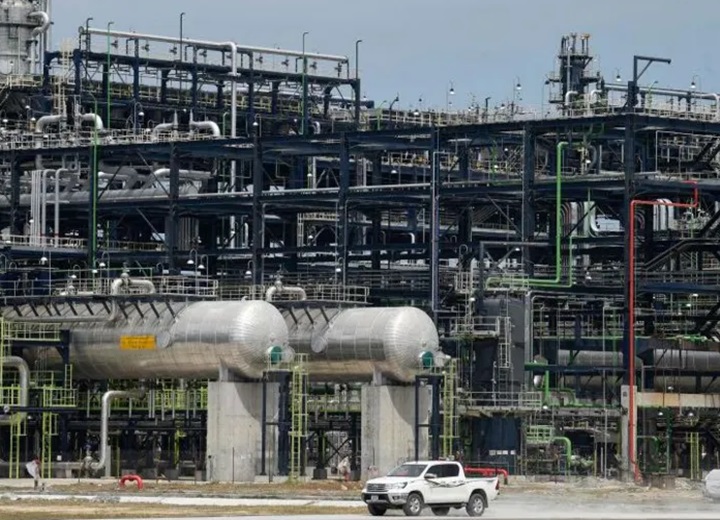
Nigeria’s refining capacity shortfall could worsen as the Federal Government, through the Nigerian Midstream and Downstream Petroleum Regulatory Authority (NMDPRA), granted licenses to three new investors in Edo, Delta, and Abia states over the weekend.
Local refineries, particularly modular plants, have been grappling with acute feedstock shortages, with many operations crippled by the lack of access to crude oil, the primary raw material for production.
On the contrary, the intervention of the Nigerian Upstream Petroleum Regulatory Commission (NUPRC) to enforce the Domestic Supply Crude Obligation (DSCO) has not yielded the desire result of most oil producers, including International Oil Companies (IOCs), have failed to complied with the policy.
The three proposed refineries are expected to have a combined refining capacity of 140,000 barrels per day.
According to an X post by the NMDPRA on its official page, the proposed refineries that have been issued licenses are: Eghudu Refinery Ltd in Edo; 100,000 bpd, MB Refinery and Petrochemicals Company Ltd in Delta State; 30,000 bpd refinery and HIS Refining and Petrochemical Company Ltd in Abia; 10,000 bpd.
According to data from NUPRC, Nigeria has nine operational refineries, which included the Dangote Petroleum Refinery and Petrochemicals FZE, the Warri Refinery and Petrochemical Company, the Kaduna Refinery and Petrochemical Company, and the Port Harcourt Refinery Company Limited.
Others are: Aradel Refinery, OPAC Refineries, Waltersmith Refinery and Petrochemical Company, Duport Midstream Company Limited, and the Edo Refinery and Petrochemical Company.
These refineries have a combined refining capacity of 974,500 barrels per day, with the Dangote refinery having the largest capacity of 650,000 bpd. However, the majority of the refineries are not producing at full scale due to unavailability of crude oil.
According to the NUPRC, the nine refineries would require a combined daily crude supply of 770,500 bpd and 123,480,500 barrels in the first half of 2025.
This number is growing with more new refineries under construction and licensed by the NMDPRA.
But, the Crude Oil Refinery-owners Association of Nigeria (CORAN) has called on the Federal Government to consider supporting local refineries with production and processing assets to help them thrive.
CORAN Publicity Secretary, Eche Idoko, lamented that local refineries currently struggle with crude oil supplies due to several factors including Nigeria’s inadequate production and insufficient investment in the upstream and downstream sectors.
He lamented that “just very few (local) refineries” have been able to get crude supplies from the Nigerian National Petroleum Company Limited under the Naira-for-crude arrangement approved by the Federal Executive Council last year.
Idoko, however expressed optimism in the newly licensed refinery, saying the idea to have more players come on stream was good for the industry as it would engender competition.
He noted that the new entrants may not suffer crude oil challenges as the NMDPRA in its new regulation expects new refinery owners to have a wok plan on access to crude oil.
“Before NMDPRA issues refinery license to any operator, the investor must be able to prove the source of its crude oil. Without such a work plan in place, licenses cannot be issued,”.