Follow Us on Google
From Sola Ojo, Abuja
Lawmakers, environmental advocates, and development experts have convened in Kaduna for a legislative engagement and green job fair aimed at catalyzing employment opportunities through Nigeria’s low-carbon transition efforts.
The event, held under the Africa Policy Dialogue (APD) initiative, focused on creating enabling legislative pathways to advance green jobs and ensure that renewable energy policies translate into tangible socio-economic benefits for Nigerians.
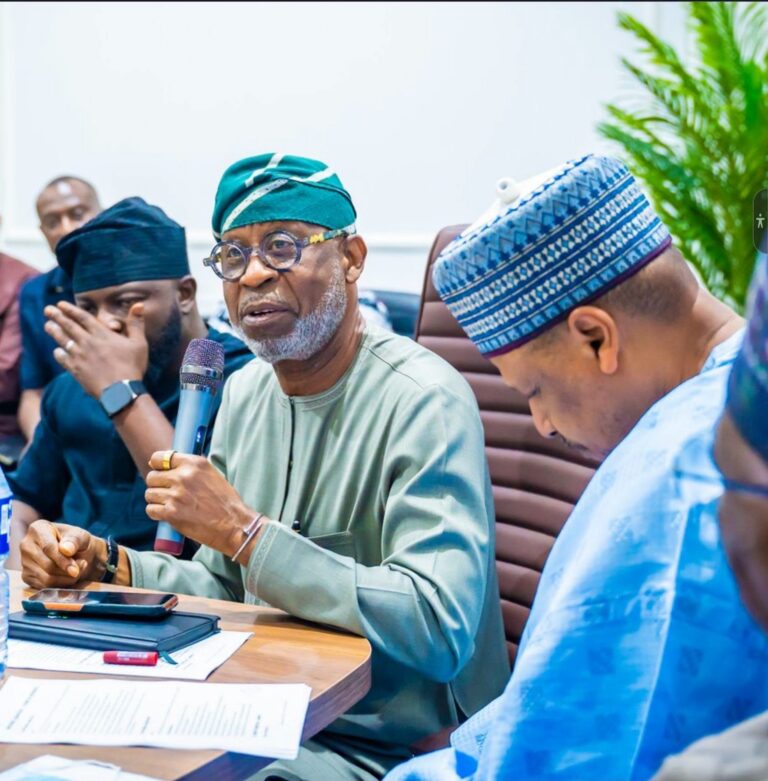
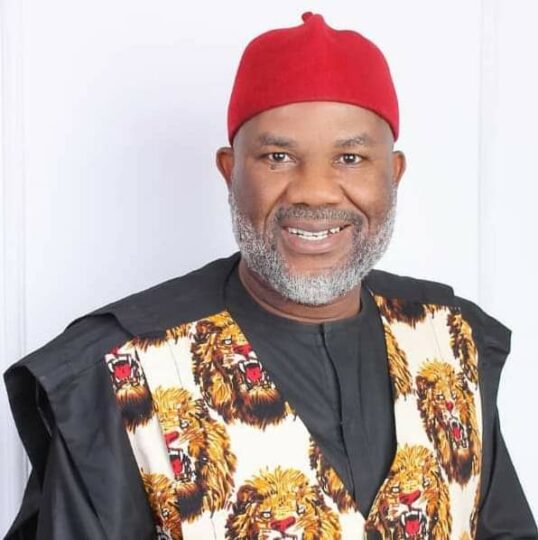
The Key Speaker at the event and Chairman, House Committee on Renewable Energy, House of Representatives, Hon Afam Victor Ogene, said the gathering was part of the national effort to stimulate conversations around the green economy and strengthen the proposed Green Economy Bill before the National Assembly.
“We have a draft bill in the National Assembly that seeks to address issues around the green space.
“We’ve brought together stakeholders from waste management, renewable energy, and low-carbon campaign sectors to contribute to what this bill represents,” he said.
He emphasised that the discussions would also address key challenges such as the exclusion of youth and women, access to finance, and insecurity affecting those involved in climate-smart agriculture and other green sectors.
“Through this green job fair, we’ve projected to bring together 120 job seekers and 35 employers. “Our goal is to see employers willing to accommodate prospective job seekers and to increase employment levels within the green space,” he stated.
Other News
Afam also called on the government to ensure that renewable energy technologies are affordable and accessible to citizens.
“We have abundant natural resources sunlight is one of them. “Renewable energy is the way to go, but affordability remains a major challenge. Government must make these technologies more accessible,” he noted.
Speaking at the opening session, Abra Dangnan, one of the lead facilitators, said the dialogue was inspired by research from the Include Knowledge Platform, which found that efforts around renewables in many countries were increasingly being used to complement fossil fuel initiatives rather than replace them.
“The research suggested that any efforts around the green economy or renewables were fast becoming the handmaiden of fossil. “In many ways, these efforts are integrated into fossil-focused initiatives to complement rather than to transform them,” he said.
Dangnan noted that while Nigeria had developed several policies aimed at achieving a low-carbon transition, most of them remained at a high level and failed to connect with the people for whom they were designed.
The APD Coordinator for Kaduna, Yusuf Kanhu, said the Kaduna engagement was part of a broader regional effort that began in Edo State and would continue across the country.
“In the Kaduna Merged Zone – northwest and north-central zones, we decided to hold this session in Kaduna after having one in Edo last week.
“This conversation is cutting across regions because we want a unified national response to green job creation,” Kanhu explained.