Follow Us on Google
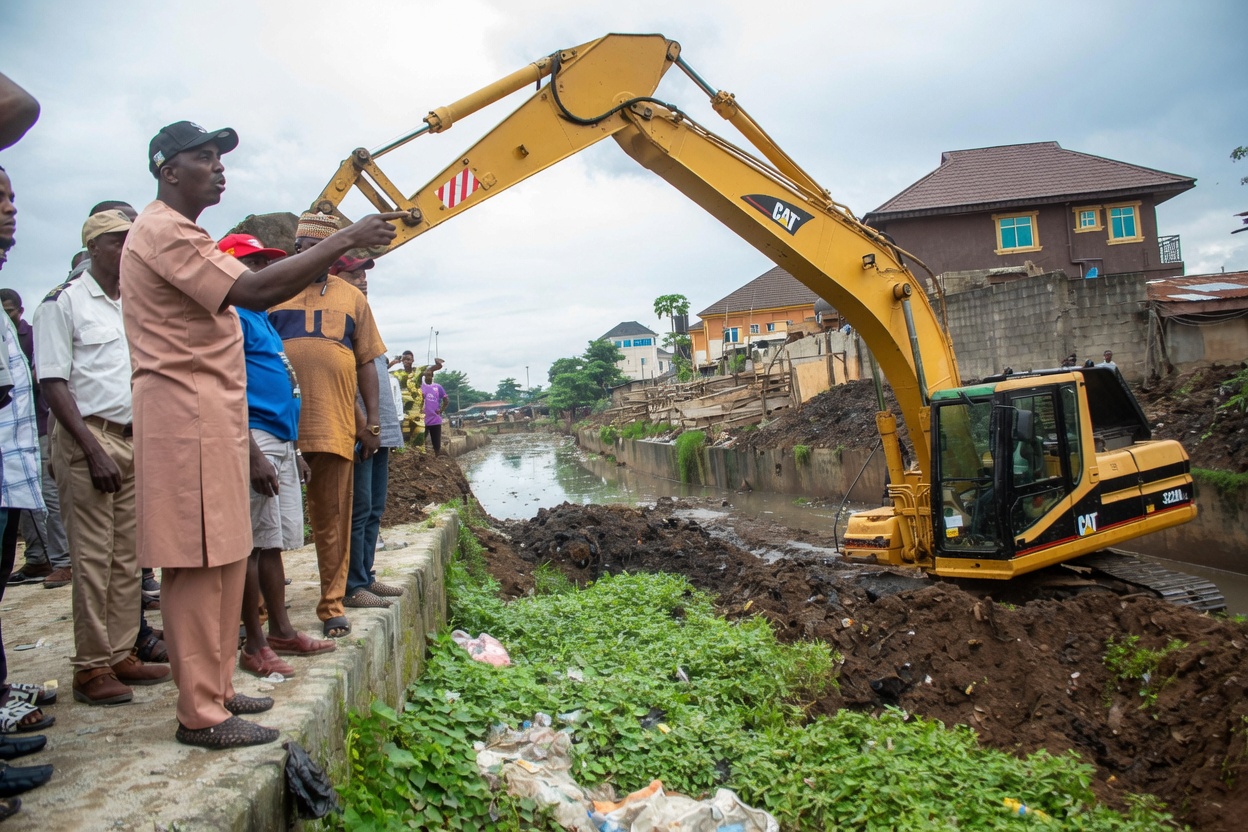
Lagos governor Babajide Sanwo-Olu has approved the immediate dredging and maintenance of 28 additional primary drainage channels across the state as part of efforts to mitigate flooding following recent heavy rainfall.
The Commissioner for the Environment and Water Resources, Tokunbo Wahab, disclosed this in a statement issued on Tuesday by the ministry’s spokesperson, Kunle Adeshina.
Wahab said the recent downpours were an extreme weather event that produced an unusually high volume of rainfall within a short period, overwhelming drainage infrastructure in several parts of the state and causing flash floods.
According to him, areas affected include Victoria Island, Lekki, Ikeja, Gbagada, Mushin, Mafoluku and other parts of the metropolis.
He explained that while the flooding caused concern among residents, the phenomenon was not unique to Lagos, noting that several African countries and parts of North America experienced similar intense rainfall on the same day.
The commissioner said Lagos faces a unique hydrological challenge because of its coastal location and extensive network of lagoons, rivers, creeks and tidal water bodies.
“The interaction between the Atlantic Ocean, Lagos Lagoon and other inland water bodies, especially during periods of high tide, naturally slows the discharge of stormwater into the sea. This can result in temporary flooding in low-lying areas after exceptionally heavy rainfall,” he said.
Wahab assured residents that the state government was intensifying monitoring of drainage infrastructure, flood-prone communities and major water channels, while emergency response agencies had been deployed to affected areas.
He said the government remained committed to building a flood-resilient Lagos through sustained investment in drainage infrastructure, environmental enforcement and collaboration with residents.
Other News
The commissioner urged residents to support flood control efforts by refraining from dumping refuse into drains and waterways, avoiding illegal reclamation of wetlands and desisting from building on drainage alignments.
According to him, such practices obstruct the free flow of stormwater and worsen flooding during periods of heavy rainfall.
He also advised motorists to avoid driving through flooded roads and urged residents, particularly those living in flood-prone communities, to comply with weather advisories and safety instructions issued by relevant government agencies.
“The effects of climate change are becoming increasingly evident across the world, with coastal cities experiencing more frequent and intense rainfall events. Lagos is not exempt from these realities,” Wahab said.
The latest intervention follows widespread flooding that accompanied heavy rainfall across Lagos over the past two weeks, submerging major roads, stranding commuters, disrupting businesses and leaving many homes inundated.
Communities including Gbagada, Iyana Ipaja, Ikorodu Road, Ikeja, Maryland, Mushin, Ogudu, Lekki, Oshodi, Agege, Alimosho and Obalende recorded severe flooding, forcing many commuters to trek long distances after commercial transport operators suspended services.
Several motorists also abandoned broken-down vehicles after attempting to drive through floodwaters.
The flooding extended to major highways, including the Lagos-Ibadan Expressway, Lagos-Abeokuta Expressway, Apapa-Oshodi Expressway and Lekki-Epe Expressway, worsening traffic congestion across the state and triggering renewed criticism from residents over the recurring flooding challenge.