Follow Us on Google
By Lukman Olabiyi
Lagos State Government is strengthening its approach to flooding, sand dredging, waterfront reclamation and water transportation as part of efforts to better manage the state’s land and aquatic resources.
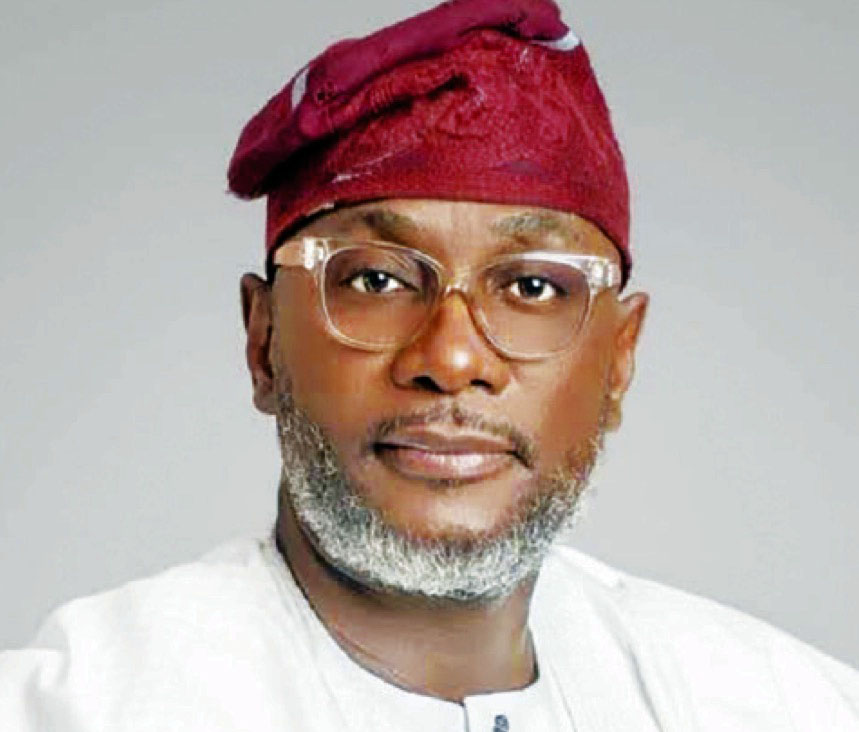
In this interview with newsmen, the state’s Commissioner for Waterfront Infrastructure Development, Hon. Dayo Bush-Alebiosu, explains the administration’s strategy, the environmental damage caused by indiscriminate dredging, the proposed Lagoon Authority, inter-agency cooperation and the ministry’s plans to expand water transportation.
Flooding remains a major challenge in Lagos. What is the state doing differently to address it?
We are trying to move away from the mindset of waiting for flooding to happen before we respond. We need to understand what causes water to accumulate in particular locations and put the right interventions in place before the problems become worse.
Flooding happens everywhere. But what you should look at is how quickly the water drains. Some of these interventions should have been addressed before the problems explode. For me, the issue is about understanding the factors responsible and putting the right interventions in place.
How important is data to the management of Lagos’ waterways and dredging activities?
It is extremely important. How can we not know the amount of sand in our waters? How can we not know where the sand is going?
What Lagos State has is land and water. How do we utilise them properly? If we cannot say, ‘This area, let us leave it so that it can replenish itself,’ you cannot make that decision without the necessary information.
That is why we need to capture everything and have the facts. We are putting the necessary information together and conducting the studies required to give us a scientific basis for decisions on dredging, reclamation and waterfront development.
If we do not capture some of these things properly, what are we going to bring to the table? We are already on top of it. We are putting the necessary information together.
Are you saying indiscriminate dredging is already causing environmental problems in Lagos?
Yes. We have seen some very disturbing things. Take the areas around the Lagos Airport, in Ibeju Lekki/ Epe axis for example. There is a huge expanse of land designated for certain purposes and when we went there, we used a drone to survey the area. The drone went as far as five kilometres ahead of us within the airport environment. What we saw was quite disturbing. Today, we have craters and areas that have been dug up extensively.
Sand excavation involves different layers of soil, and each layer has its own purpose. Once you are done excavating, the materials should be properly managed and the site restored appropriately. But that did not happen in some places. Now we have very large excavated areas, and fixing them will cost a significant amount of money.
What has been the impact of dredging and sand mining on infrastructure?
Some of the activities around dredging and sand mining have consequences for infrastructure, including roads. There are roads that were constructed with the expectation that they would have long lifespans, yet in less than 10 years, some of them had deteriorated significantly because of the activities taking place around them.
People come back to tell us that they have set aside a certain amount to repair roads. But I remember when some of these roads were commissioned. They were supposed to have long lifespans. So, we have to look at the activities around these roads and understand the consequences. We cannot continue to spend money repairing infrastructure without addressing the factors contributing to its deterioration.
One criticism of waterfront management has been poor coordination among government agencies. Has that changed?
It has changed significantly. When we got to the waterfront, we had to deal with issues involving different government agencies, including the Ministry of the Environment, the Lands Bureau and Physical Planning. There was no handshake; there was no connection. So, we were working at crossroads. That was the situation for a long time. But that is now in the past. We are working together better with the relevant agencies because waterfront development cuts across different areas of government responsibility.
What is the status of the proposed Lagoon Authority and Lagoon Policy?
I am happy that some of the things that previously looked like futuristic ideas can now be pursued more realistically. Those were really lovely ideas, but when you look at what it takes to create agencies, a lot must be taken into consideration. There were always questions about whose responsibility certain aspects of lagoon and waterway management were, whether they belonged to the state or the Federal Government.
There was no way those agencies would have been created easily while those issues were still being contested. Now, with the Supreme Court judgment clarifying the position, we can look forward to those things happening because they are necessary.
What is the government doing about approved reclamation projects that have been delayed?
We discovered that quite a number of companies had obtained reclamation approvals, but three, four or even five years after getting the approvals, they had not started.
Some had not even bought a couple of loads of sand to begin the work. So, we were actually encouraging them to speed up because we saw the importance of those projects.
Other News
But at the same time, we have to be careful. When concerns were raised about dredging activities around bridges and other sensitive locations, we had to investigate properly.
We went there and captured the entire area. We wanted to be certain that what was being done was safe.
Why are you insisting on written confirmation before some reclamation projects continue?
Because government must protect itself, and more importantly, ensure that the right thing is done.
Eventually, a joint committee was set up to look into the matter and make sure it was safe to continue the reclamation. They have since communicated to the relevant authorities that the project can continue. But I am still insisting on getting an express letter confirming that, so that years after we are no longer there, there will be something in the file to refer back to. It is important that decisions of this nature are properly documented. We are not only thinking about today; we are also thinking about the future.
Beyond environmental management, how important is water transportation to Lagos?
Water transportation is very important because Lagos has an extensive network of waterways that can be better utilised for the movement of people and goods.
Our investment in jetties and other waterfront infrastructure is aimed at expanding water transportation, reducing pressure on the roads and, ultimately, lowering transportation costs.
If you can take transportation costs out of the movement of goods, it eventually drives down the cost of goods and aids affordability.
Can you give an example of how the new jetty projects will improve connectivity?
One of the major jetty projects we are developing is strategically located to serve a wide catchment area. By water, the journey could take only about 12 to 15 minutes. It is expected to serve communities around Bariga, Gbagada, Maryland, Anthony, Ketu and other areas towards Shomolu.
When you look at the potential catchment area, you also realise that you need supporting infrastructure, including adequate parking facilities. It is not enough to build a jetty; you must consider how people will access it and what happens when they get there.
Are the jetties primarily for passengers or will they also support the movement of goods? We are looking at an integrated water-based transportation system. It is not only about passengers.
I am also excited about it because, although it is meant largely for water transportation, it is close to markets. That means goods can be moved around on water more easily. And when you take out transportation costs, it eventually drives down the cost of goods and aids affordability.
So, we are looking at water transportation as an economic intervention, not just a mobility solution.
What is the condition of the jetties inherited from previous administrations?
We have undertaken the renovation of some of the jetties inherited from previous administrations. But our responsibility goes beyond simply constructing or renovating facilities. We have to consider their locations, accessibility and functionality. A waterfront facility must serve a purpose and be properly integrated into the transportation network.
Some people describe the pace of your ministry’s projects as slow. How do you respond to that criticism?
Some call me slow. I work differently. Some people are fast. I like to make sure we get things right. The good Lord created the rabbit and created the tortoise. Does He not know what He is doing? The rabbit is fast, but it has no peace. Look at the rabbit; it is constantly running from one danger to another. The tortoise gets to where it is going eventually, in peace. Does the rabbit always get there? Eight out of 10 times, it may not.
For me, it is about continuing to achieve and making sure that what we are doing is sustainable. I would rather take the time to plan properly, get the necessary approvals, involve the relevant agencies and ensure that a project will stand the test of time than rush to commission something that will create bigger problems later.
What ultimately is the vision of the Ministry of Waterfront Infrastructure Development for Lagos?
The objective is to harness the state’s land and water resources responsibly. We want to improve mobility, support economic activity, protect the environment and ensure that the development of our waterfronts produces sustainable benefits for residents.
We will continue to work with the relevant agencies and stakeholders because waterfront development cannot be handled in isolation. It requires coordination, accurate data, proper planning and a long-term approach.
For us, it is not just about developing waterfronts. It is about developing them in a way that Lagos can continue to benefit from for many years to come.