Follow Us on Google
From Molly Kilete, Abuja
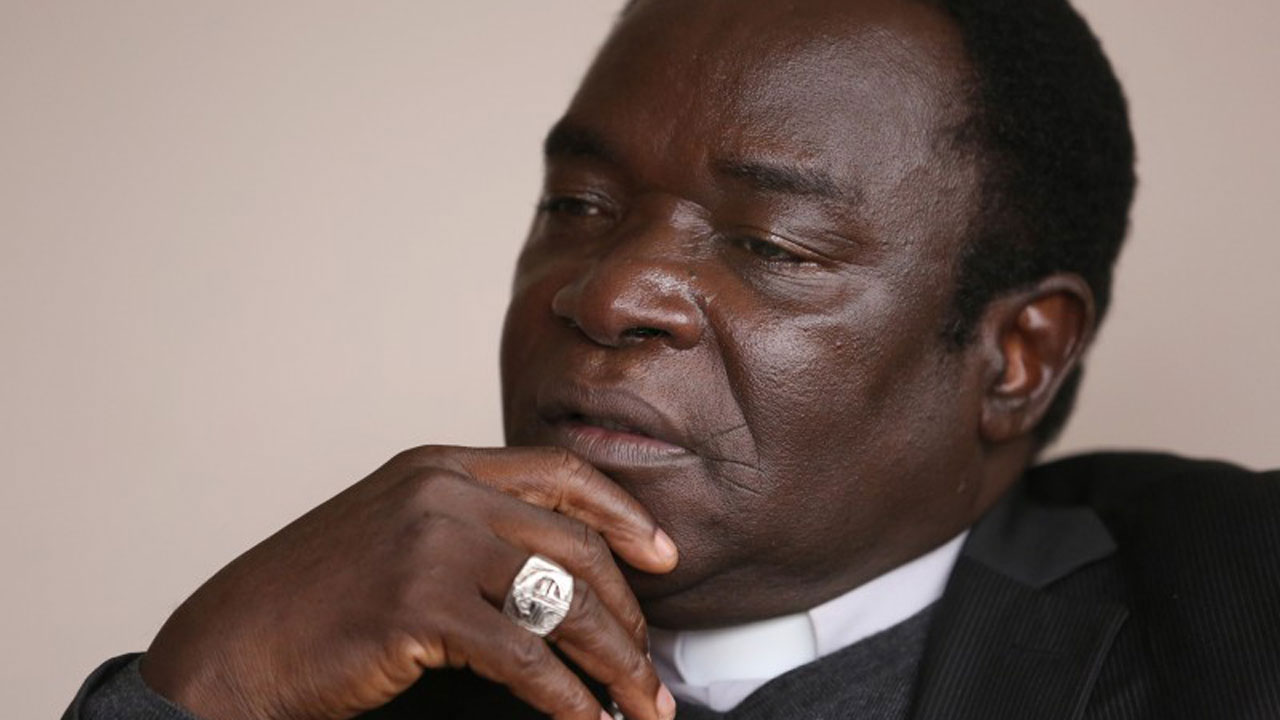
The Bishop of Sokoto Diocese, Reverend Father Matthew Hassan Kukah, has described recent calls for arming communities to defend themselves against terrorists, bandits, herders, and other criminals as very dangerous.
Kukah warned that arming villagers for self-defence provides only a false sense of security and highlighted the long-term dangers these weapons pose once peace returns. He called on Nigerians to rethink the idea of providing arms to defend communities, asserting that the insecurity plaguing the country will come to an end—nothing lasts forever.
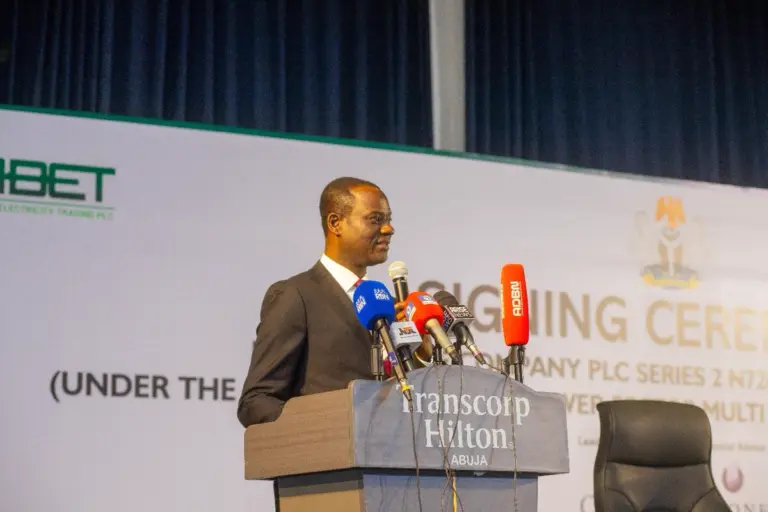
Kukah spoke at the “Whole-of-Society Approach to Prevention of Violence and Conflict in Northern Nigeria” national dialogue in Abuja, organised by the National Peace Committee, the Kukah Centre, and the Office of the National Security Adviser (ONSA).
He lamented Nigeria’s underlying ailments—unstable homes, fragmented communities, weakened morals—which have enabled bandits and criminals. He insisted that defeating insecurity depends on citizens of all backgrounds uniting to fight the common enemy.
“There is a growing belief that communities can defend themselves by arming up. But arms will not solve our problems. They offer a false sense of security. And when peace returns, where will those weapons go? As a Christian, it is not accidental that Jesus asked Peter to put back his sword. God’s teachings do not change; circumstances may change, but the truth does not.”
Kukah said Nigeria has hit rock bottom and must now move upwards, urging everyone in society to become custodians of conscience and hope. “We meet because we believe Nigeria is worth fighting for—not with weapons, but with truth, courage, justice, and compassion.”
Other News
He emphasised that nation-building is about harnessing the country’s extraordinary diversity as an asset, not a liability, and pointed to the US as an example of diversity’s power.
“Let us also acknowledge that peace cannot be outsourced. Peace is the collective work of all of us.”
He said every segment of society must engage in tackling insecurity—government must lead with justice and transparency, faith leaders with courage, civil society must mobilise consciences, and women and youth should move to the centre of these efforts.
Kukah highlighted that peace begins with individuals, families and communities, stressing trust-building, speaking for the voiceless, and ensuring representation. “Citizenship is not only about voting; it is also about accountability. When leaders fail us, we must show the yellow card—and if necessary, the red card at the polls.”
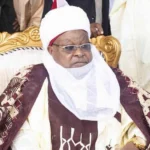
The Sultan of Sokoto, Alhaji Sa’ad Abubakar III, echoed the importance of harnessing diversity and denounced all forms of extremism. He said, “A true Muslim cannot be an extremist. Any text twisted to justify violence is a distortion of our faith.”
The Sultan underscored the value of education and sincere faith, calling for respectful dialogue and truth as means to a peaceful, united, and prosperous Nigeria.