Follow Us on Google
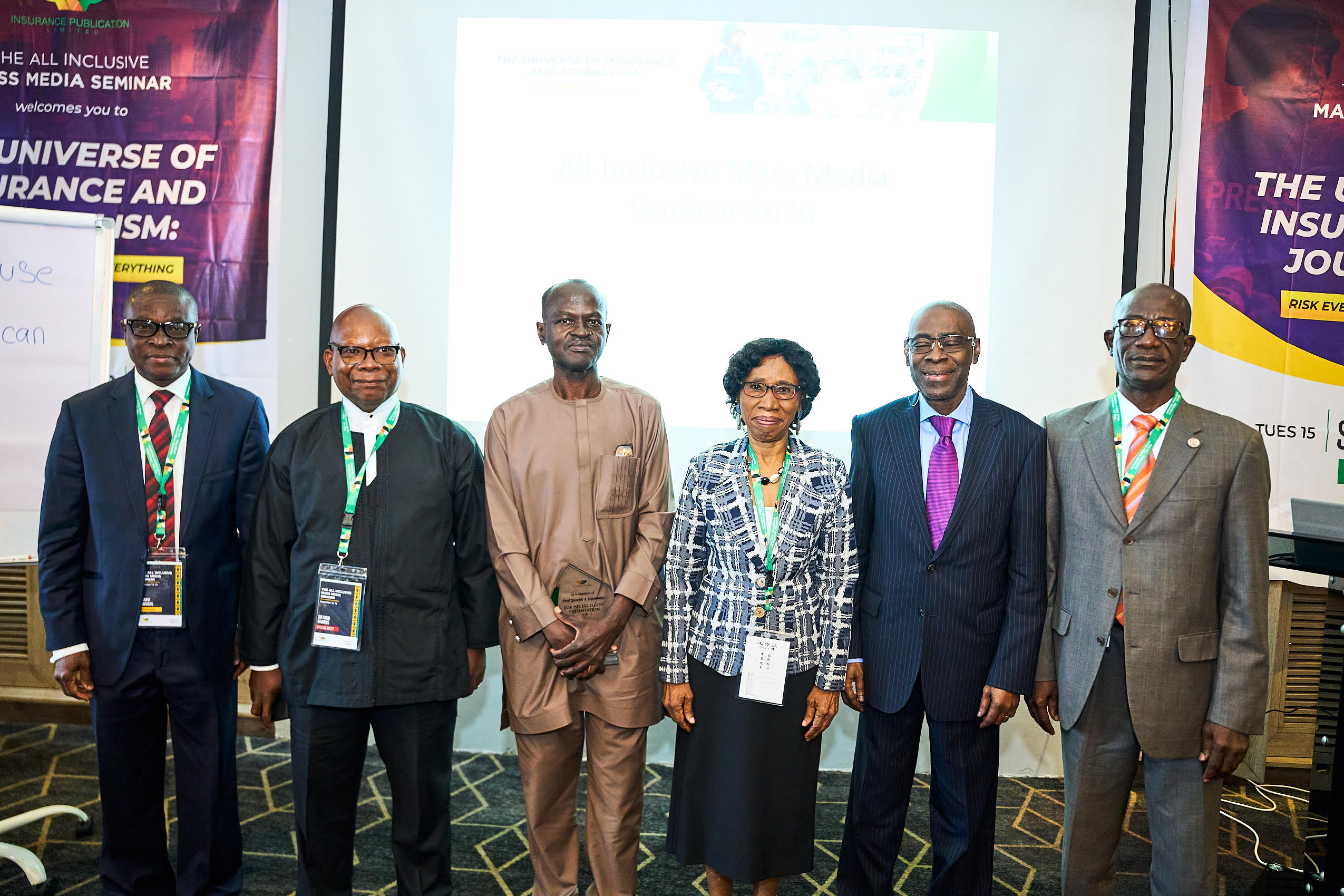
Journalists have been urged to probe Nigeria’s health system failures by moving beyond creating awareness to investigating gaps in the country’s healthcare and health insurance systems and holding government, insurers, regulators and healthcare providers accountable.
The call was made at a two-day seminar tagged “All-Inclusive Mass Media Seminar,” held in Lagos.
The workshop, themed “The Universe of Insurance and Journalism: Risk Everywhere, in Everything,” brought together journalists and stakeholders to deepen their understanding of insurance, healthcare reporting and the role of the media in tracking policies and their implementation.
Speaking, the Medical Director of Olive Medicare Hospital, Lagos, Dr Augustine Aipoh, urged journalists to move beyond event-based reporting and investigate whether healthcare policies were delivering their intended results.
He said Nigeria had developed numerous healthcare policies and created considerable public awareness, but had yet to translate many of the policies into meaningful action.
“Journalism has the power to condemn too. Nigerians, we have a lot of policies in place that govern healthcare. We have created a lot of awareness. But what we have not done, by my counting, maybe I’m wrong, is that we have not had enough action,” he said.
Aipoh said journalists occupied a strategic position between government, insurers, healthcare providers, regulators and citizens, stressing that their responsibility should include explaining policies, tracking implementation and investigating their impact on patients.
He said patients should remain at the centre of healthcare reporting, urging journalists investigating complaints against hospitals or insurers to establish the facts before reaching conclusions.
According to him, reporters should determine the type of insurance held by a patient, whether the facility was accredited, what the patient’s benefit package covered and what actually occurred in the disputed case.
“The real test of the policy is not an aspect, it’s its effect on the patient,” he said.
Aipoh also warned journalists against publishing unverified medical claims and misinformation, noting that false health information could influence patients before they seek professional care.
He urged the media to give greater attention to health insurance because of its role in protecting households from the financial consequences of illness.
According to him, prolonged treatment for conditions such as cancer and kidney disease could wipe out savings, reduce household income and push families into poverty.
Other News
He urged journalists to simplify insurance concepts for the public while developing a working knowledge of capitation, claims, accreditation, benefit packages, pre-authorisation, co-payment and referrals.
Aipoh also called for closer scrutiny of healthcare financing, including the Basic Health Care Provision Fund (BHCPF) established under the National Health Act.
He said journalists should investigate how funds allocated to healthcare were being utilised and whether they were translating into improved access, quality of care and better health outcomes.
On health insurance sustainability, he said a larger pool of enrollees could spread healthcare costs more effectively and strengthen the capacity of providers to deliver care.
Earlier, Project Convener at the Insurance Publication Limited, Mr Ifeanyi Ugwuadu, urged journalists across all beats to understand insurance and risk, saying insurance reporting should not be left exclusively to specialised correspondents.
Ugwuadu said risk was embedded in business, governance and everyday life, yet public understanding of insurance remained limited.
“You do not need to leave insurance reporting to those who are considered insurance reporters. That is a silent reporting gap because insurance is part of every journalist’s beat,” he said.
He said journalists covering accidents, businesses, government activities, disasters and other major incidents could identify insurance angles at the scene and provide information for deeper investigations and follow-up reports.
Ugwuadu said the training was designed to deepen journalists’ understanding of insurance and risk and make such knowledge part of their routine reporting.
Both speakers called for journalism that goes beyond reporting events to examining policies, implementation and outcomes.
Aipoh urged journalists to ask critical questions about healthcare policies and interventions, including: “What does this mean? What does it have to do with you? Who is responsible for fixing the gaps? What evidence will show whether something is working?”
He said accurate information, investigative reporting and constructive accountability could help strengthen Nigeria’s healthcare system.
“Beyond awareness, the journalist becomes a catalyst for action,” he said.