Follow Us on Google

From Scholastica Hir, Makurdi
Journalists covering conflict, insecurity and governance in Nigeria have been urged to shift their focus from episodic incident counts toward people-centred and policy-relevant journalism.
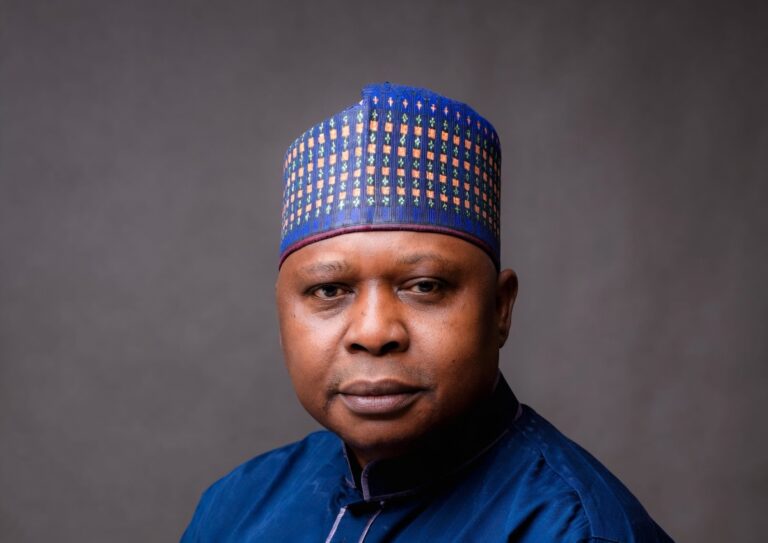
The Executive Director, Centre for Journalism, Innovation and Development (CJID), Akintunde Babatunde, made this call during a two-day capacity building for journalists on Public Safety Reporting, held in Abuja from January 27–28, 2026.
The training attracted reporters from Benue and Bayelsa States alongside journalists covering national public safety and governance issues from the Federal Capital Territory (FCT).
The programme was organized by CJID with support from the Open Society Foundations (OSF).
Babatunde explained that the training formed part of the People-Centred Public Safety Project, which according to him, was a response to the growing concerns that dominate security narratives often with obscure systemic failures, dehumanised victims, and which often fail to influence the policies that shape safety outcomes at the community level.
Other News
He said CJID is keen to see a clear shift in how conflict and public safety issues are reported after the training.
He said, “We hope that by the end of this training participants will not only be equipped with the tools required for people-centred conflict reporting, but will also have the drive to produce journalism that meaningfully shapes public understanding, strengthens accountability, and influences policy outcomes.”
Community policing emerged as a central theme during the training, particularly as provided for under the 2020 Nigeria Police Act.
Participants examined the historical and structural foundations of policing in Nigeria, including its colonial origins and enduring elite orientation.
Discussions during the training highlighted how persistent gaps in policing capacity; accountability and training have contributed to the emergence of community-driven safety mechanisms.
Throughout the programme, journalists were urged to prioritise rigorous fact-finding, avoid borrowed or sensational language, and challenge dominant stereotypes by producing reports grounded in live realities, community relationships, and historical context, rather than reinforcing fear-based framings.