Follow Us on Google
By Goli Innocent
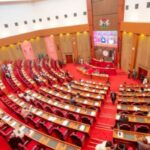
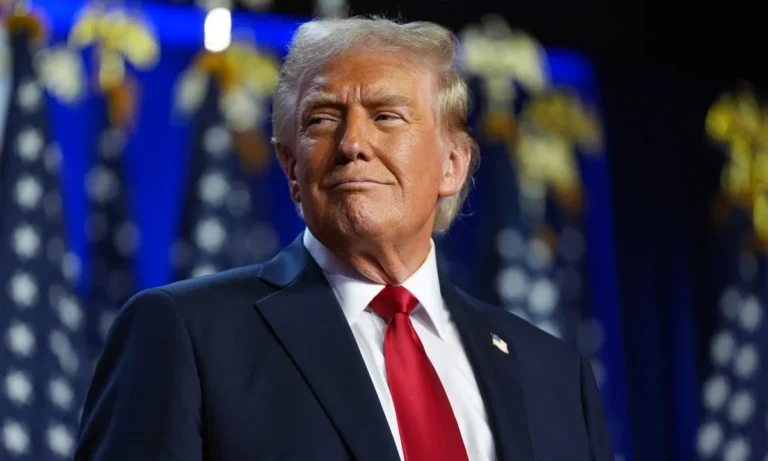
The United States Congress is gearing up for a heated debate this week over President Donald Trump’s military actions against Iran, as lawmakers push to reclaim their constitutional role in declaring war.
Since returning to the White House in 2025, Trump has moved to expand executive powers, sidelining Congress in key decisions.
His recent strike on Iran, which came in coordination with Israel and reportedly killed top Iranian officials, has sparked fresh calls for oversight.
Senator Tim Kaine described the conflict as “unnecessary, illegal and reckless” and introduced legislation compelling Trump to seek Congress’s approval before continuing military operations.
Kaine also called for lawmakers to cut short their recess to vote on the matter immediately.
Other News
The White House maintains Trump acted in response to an “imminent threat,” though critics argue the president has failed to explain why such drastic action was urgent.
Daniel Shapiro of the Atlantic Council noted that, unlike past presidents, Trump did not brief Congress fully nor make a public case for the war.
Under the 1973 War Powers Act, Trump must now seek congressional authorisation if he wants to extend the military campaign beyond 60 days.
Congressman Thomas Massie, a rare Republican critic of Trump, is joining forces with Democrat Ro Khanna to force a vote.
Most Republicans, however, are expected to oppose any restrictions, and even if the bills pass, overriding a presidential veto would require a two-thirds majority in both houses.
As the debate unfolds, the clash highlights the tension between presidential authority and Congress, and raises pressing questions about legality, accountability, and the future of US military action in the Middle East.