Follow Us on Google
From Fred Itua, Abuja
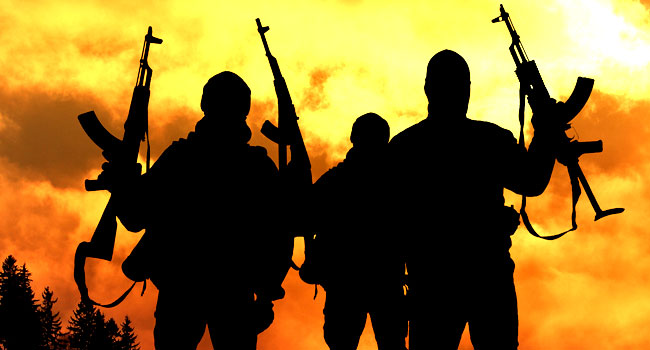
A new dataset published by a research group CellHub has revealed that terrorist and bandit attacks in Nigeria have risen ahead of every presidential election since 2015.
The data covers the 2015, 2019 and 2023 elections, as well as the period leading up to the vote scheduled for first quarter of 2027.
CellHub is calling on the National Assembly, the Office of the National Security Adviser and the Independent National Electoral Commission to open a public investigation into the pattern.
The dataset spans four election cycles, two changes of governing party and three different dominant armed threats. In each case, the same rise in violence occurred in the months before voting. CellHub said the consistency of this pattern warrants formal scrutiny.
In 2015, Boko Haram held around 20,000 square kilometres of territory, and conflict deaths that year exceeded 22,000. The election was postponed by six weeks on security grounds. In 2019, ISWAP fighters overran military positions in Borno state, and civilian deaths in Zamfara rose sharply. That vote was delayed by a week.
By 2023, kidnapping for ransom had grown into a large scale problem, with thousands of people abducted that year. Attacks on electoral commission facilities were also recorded during that period. Ahead of the 2027 vote, terrorism related deaths and incidents have risen again, alongside a wave of mass school abductions.
CellHub is pushing that investigators should examine whether those who finance election period violence are connected to this broader pattern of attacks. It noted that Nigeria’s financial intelligence unit and sanctions bodies have already named dozens of alleged terrorism financiers in recent years. Prosecutions of those named remain limited.
The report also pointed to a political dimension. It said that a deteriorating security picture in the run up to an election tends to favour opposition parties.
Dor 2027, CellHub rated several risks as high or near certain. These included further attacks on electoral infrastructure, a serious abduction incident during the campaign period, and a realistic possibility of postponement. The report noted that most fatalities in past election cycles occurred before polling day.
CellHub has set out five recommendations. These include a parliamentary investigation, prosecution of financiers already named in official designations, improved security planning for rural areas once troops are redeployed to polling stations, a mechanism allowing displaced Nigerians to vote from where they currently live, and a published contingency plan for any future postponement.
With an estimated 3.7 million people displaced by violence, CellHub said the coming months will be decisive. It argues that any protective measures for the 2027 election need to be in place well before February.