Follow Us on Google
By Merit Ibe
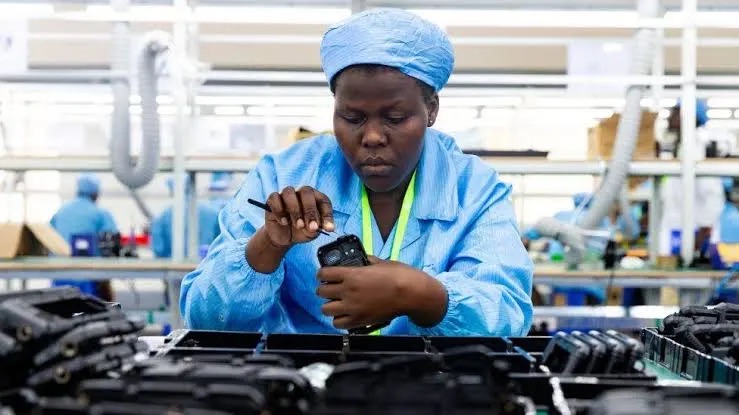
The Pan-African Manufacturers Association (PAMA) is worried that the persistence of heavy import reliance is stifling the development of Africa’s burgeoning manufacturing sector, undermining the continent’s long-term economic sovereignty and its ambitious integration agenda under the African Continental Free Trade Area (AfCFTA).
PAMA is the voice of manufacturers in Africa and is at the forefront of promoting Africa’s industrial transformation under the African Union’s Agenda 2063.
Dwelling on the theme: Strengthening Africa’s Manufacturing Amid Global Economic Turbulence and Internal Crisis, the Interim President, PAMA, Mansur Ahmed and the Interim Co- Secretary, Segun Ajayi-Kadir, viewed that if African consumers and the public fail to prioritize the patronage of locally manufactured goods, the consequences could be severe and far-reaching.
Citing recent reports from Reuters which suggest that, as global tariffs rise and supply chains become more unpredictable, they viewed that African economies could face a twofold crisis.
“First, they risk being overrun by cheaper imports that could crowd out locally made goods, which is more intensive than earlier seen.
Second, the resultant collapse of local manufacturing would lead to job losses, particularly among Africa’s rapidly growing youth population, a demographic that desperately needs sustainable employment opportunities.
“The risk is that there is every likelihood that these countries might turn Africa into a dumping ground for low-cost, substandard goods designed to evade steep tariffs. Such a scenario could decimate nascent local manufacturing sectors, stifle indigenous patronage, reduce profit margins for indigenous producers, plunge millions of young Africans into unemployment, and ultimately stifle the growth of domestic industries.
“This scenario poses a direct threat to one of AfCFTA’s central aims to boost intra-African trade by creating a thriving network of regional manufacturing and processing.”
The pointed out that without a vibrant local manufacturing base and prioritization of the patronage of Made-in-Africa products, African nations risk losing the opportunity to capture greater economic value from their abundant raw materials.
Proffering way forward, PAMA suggested that all relevant stakeholders, including governments, development institutions and partners, should partner with PAMA — a continental advocacy body that promotes and protects the interests of African manufacturers — to launch a continent-wide public awareness campaign for “Buy Made-in-Africa.’
The association proposed that the initiative will foster a culture of indigenous patronage.
It further suggested that African governments should assist industries, especially the SMIs to acquire necessary certifications that will boost consumer trust and increase local product acceptance.
“Many Africa countries lack clear industrial policies to bolster local production. The respective governments of such countries should collaborate with relevant development institutions and stakeholders to address the change and prioritize implementing policies that encourage local processing.
“Governments must fully exploit the opportunities provided by the AfCFTA by harmonizing trade policies and reducing intra-African tariffs. This approach should focus on stimulating regional trade, lowering import dependency, and building a resilient industrial base that can drive value addition.
“Governments must deepen invest in critical infrastructure, including power supply, logistics, and broadband connectivity to reduce trade costs and improve supply chain efficiency. This will enable local manufacturers to compete more effectively by ensuring their products reach both domestic and regional markets swiftly and cost-effectively..
“Local manufacturers should be assisted to access international markets. This could include provisions for export training programs, participation in trade fairs, support for obtaining international quality certifications, and the creation of marketing platforms that showcase “Made in Africa” products globally.
“Governments should implement robust quality control measures and streamline regulatory frameworks to ensure that domestically produced goods meet international standards and also put in place regulatory oversight to improve product quality so that local manufacturers can boost consumer confidence and enhance the reputation of “Made in Africa” brands both at home and abroad.”
PAMA advised African manufacturers to focus on producing high-quality, durable and competitively priced goods that meet both local and international standards.
“Manufacturers should deepen their brand identities, improve packaging, and adopt digital marketing strategies to enhance consumer perception and drive demand.
“African manufacturing industries must prioritize quality over quantity, invest in modern manufacturing technologies and optimize their supply chain.
“Enhance production efficiency through better supply chain management to lower costs and make locally manufactured products more affordable and accessible.”