Follow Us on Google
By Lawrence Agbo
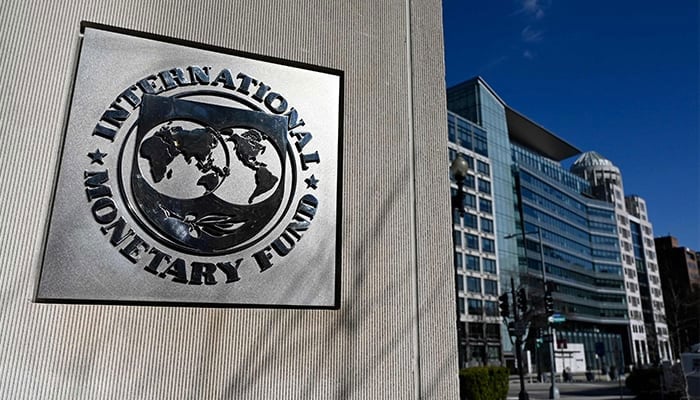
The International Monetary Fund (IMF) has raised concerns over Nigeria’s plan to secure up to $5 billion in external financing through a derivatives-based arrangement with the First Abu Dhabi Bank in the United Arab Emirates.
The warning was issued by Christian Ebeke, the IMF’s resident representative in Nigeria, who told journalists that such financial structures are often complex and lack transparency in their terms.
According to him, similar transactions in other countries have raised red flags due to limited disclosure and difficulty in fully assessing the obligations involved.
“Our view is that the transaction in these types of structures carry risks. Usually they are opaque, so the terms are not always very transparent when we reviewed these instruments across countries,” Ebeke said.
He advised that Nigeria consider more conventional funding options, including Eurobonds or concessional loans, which he said tend to offer clearer terms and lower risk exposure for sovereign borrowers.
Other News
The development comes as Nigeria continues to ramp up external borrowing to finance its fiscal needs and infrastructure plans. On March 31, the National Assembly approved President Bola Tinubu’s request for $6 billion in external loans.
As part of the approval process, the president specifically sought backing for a structured Total Return Swap (TRS) arrangement of up to $5 billion with First Abu Dhabi Bank.
The federal government has argued that the funds would support budget implementation, infrastructure development, and the refinancing of more expensive domestic and external debts.
However, the IMF’s comments add to ongoing global scrutiny of complex sovereign financing arrangements, particularly those involving derivatives-based instruments that can obscure the true cost of borrowing.
Nigeria’s public debt stock currently stands at about $110.3 billion (approximately N159.2 trillion as of December 2025), underscoring concerns about debt sustainability as new borrowing plans expand.