Follow Us on Google

Agatha Emeadi
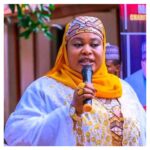
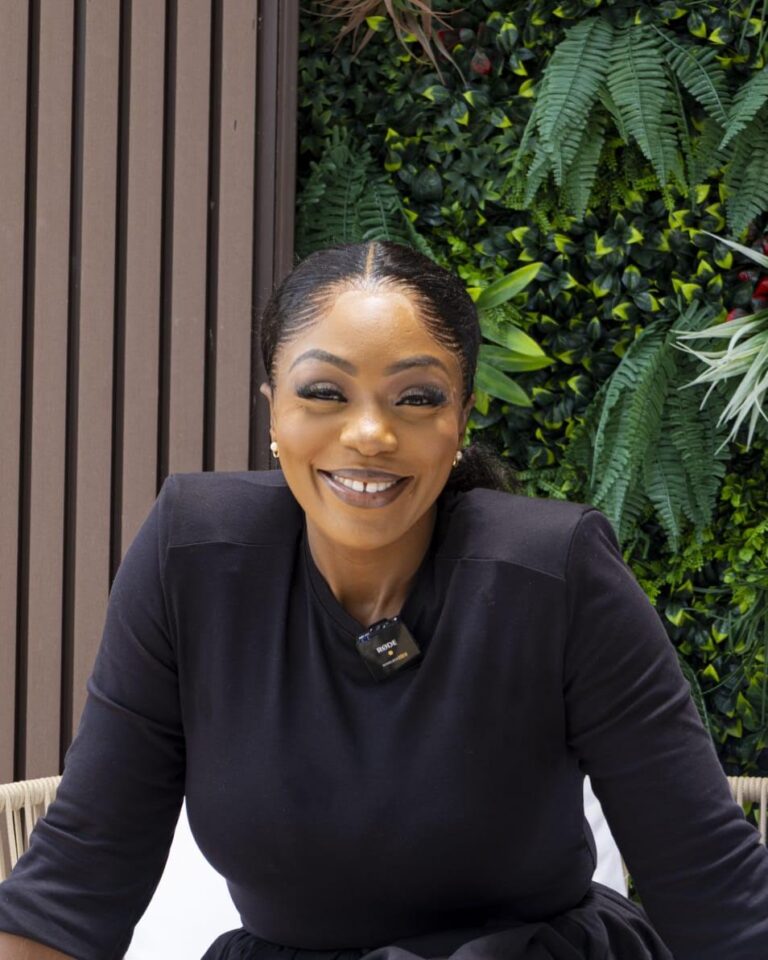
Dr (Mrs) Zainab Bagudu, First Lady of Kebbi State is an accomplished physician and paediatrician. Her antecedents in humanitarian care speak volumes of a woman, who is very passionate about improving the lot of her people. In this interview, she shares the success stories of her project, ‘Medic Aid Cancer Foundation and also sheds light on her commitment to the education of the girl-child in the north as well as her eagerness to be a role model for them and much more.
What are the success stories of Medic Aid Cancer Foundation so far? How did you come about this project?
Medic Aid Cancer Foundation is beyond a project; it is a foundation that started in 2009 as an offshoot of a diagnostic centre we were running, which was offering tests like X-ray, ultrasound, mammography, laboratories and general health screening. Some of the tests we conducted were for detecting cancer. Naturally, the diagnostic centre started getting a lot of enquiries relating to what to do and where to go for treatment after getting the test results. Patients needed support that was beyond its scope of work. So we had to set up the Medic Aid Cancer Foundation to deal with such issues. From creating awareness and screening we upgraded to supporting treatment. I am proud to say that because of our unique position of being able to run cancer tests, in this part of the country, we have offered the highest number of free screenings.
Other success stories include funding cancer treatment and we have catered for over 700 patients in this regard. We help patients access funding from state governments and other donors. In Kebbi State we succeeded in advocating for the establishment of the Cancer Control Desk with an assigned officer, development of the Kebbi State Cancer Control Plan and are currently in final stages of establishing chemotherapy unit and laboratory in the Kebbi Medical Centre, Kalgo. These are state government projects which we advocated for to ease the plight of cancer patients in the state.
The state government has also established a cancer registry and set aside a certain amount of money which was accessed by 68 indigent cancer patients. We are advocating an increase in funding to N50 million, but we successfully got funding for patients from Akwa Ibom State through the office of Her Excellency, Mrs Martha Udom Emmanuel. In partnership with Jaiz Bank, we were able to vaccinate over 100 with vaccine against human papilloma virus which will prevent them from developing cervical cancer later in life. With the right screening programme, it can be used to eliminate cervical cancer totally.
Also, working with other civil society organisations, we were able to influence the National Health Insurance Scheme (NHIS) to include chemotherapy, radiotherapy and surgery in the scheme.
In 2018, during the World Cancer Congress organised by the Union for International Cancer Control (UICC) in Kuala Lumpur, Malaysia, I was elected to serve as a member of the board of directors of the 85-year-old organisation which exists to accelerate the global fight against cancer. My election to the UICC Board has so far given me the opportunity to galvanise energy and resources to mainstream cancer care and control into the health agenda in Sub-Saharan Africa.
What has been the response from both men and women in the last six years?
When you say six years, you must be referring to my time as the First Lady of Kebbi State which stereotypes our work. When my husband was elected as governor, the foundation had already existed for six years. We certainly intensified some activity in Kebbi State but we are not limited to the state. The main office has always been and remains in the Federal Capital Territory, Abuja. By and large, we have successfully carried out various activities that have helped thousands of people.
This is your second term in office, what are the strengths women in your state can hold unto and smile?
I am not holding a political position rather my husband is the Governor and I support him by all means possible. Aside from my work with the MCF, I do mostly health advocacy for women and children. I align with existing programmes to get better outcomes. Now, I am state champion for Breakthrough Action, a project of the United States Agency for International Development (USAID) which tries to change health-seeking behaviours of women and husbands with the aim of reducing maternal and infant deaths. I am the State Patron of High Level Women Advocates (HILWA), a UNICEF programme that encourages girl-child education. I lead wives of elected officials and female councillors to deliver messages to rural areas and bring about change. We have drug abuse and gender-based violence campaigns and sensitization on new issues like COVID-19. Kebbi State has at least one elected female councillor in each local government. They are extremely helpful in taking our messages to the grassroots.
As a well-positioned female medical doctor, what are your contributions to help the rural girl-child achieve her dream instead of the early baby marriage that is the current practice?
I do that being a role model who empowers the girl child, and show how free education can benefit them. As I mentioned earlier, I work with HILWA a lot. They have a work plan which I help them facilitate and it includes rounding up parents to enrol their children in schools with the support of both traditional and religious leaders. HILWA encourages the girls to be in school by buying them books, uniforms, sponsors radio jingles and celebrates girl-child day. Again, I personally sponsor education a lot. Every year I pay for registration forms for 10 female nurses from Sokoto, Zamfara and Kebbi states. During the course of the year we pay for at least another 30 who approach me privately. I don’t know how they get my number and send me SMS. Once I get it, I would ask my team to verify their genuineness then we pay even though I do not know them personally. We also empower local women in various ways, too numerous to mention here.
Are you spreading the knowledge and empowerment among the youths especially girls through academics, sports and healthy competitions like the teenage girls that conquered the technological world in 2018 instead of giving sewing machines and hairdressing salon materials?
Education is very important for every child both male and female. It is my duty to sell this message now that I have an audience. The modern age is the age of awakening of girls. Girls are beginning to compete with men in all spheres of life. Gone are the days when people oppose education of girls. They have now realized how important it is to spend money on a girl’s education and general upbringing. The proper sphere for girls is no longer at home or in the kitchen. Educating a girl child can bring about resolution in the society. The government must continue to initiate programmes and policies that will provide education to the girl-child. Even at the community level, we must also continue to create awareness amongst people about the benefits of women education because both men and women need to be given equal opportunities for the growth of the nation.
Being a medical doctor, and a First Lady, what do you think about the poor state of health facilities in the country especially with this hit by COVID-19 that is not allowing some to embark on medical tourism? What advice do you have for the federal and state governments?
The health system in Nigeria like most developing countries is weak. It needs major investment from all parties: government, corporate and development partners but this pandemic will wake everyone up. This is the first time we are seeing such investment in the country. Those beds bought for isolation centres will end up in our primary health centres soon, yet it will not be enough. I am yet to ascertain if Kebbi State has received any significant assistance on the COVID-19 response. Whatever has been done is through the state’s efforts despite reduced allocations from the Federation Account, increased minimum wage, and other costs. The state endeavours to pay workers. Some states are richer than others and need not compare with them.
Although efforts are being made to fix the health system but Nigeria is a large country with diverse needs. So we are not running to anywhere. I left my job in the NHS (UK National Health Service) voluntarily and came back home. When this crisis started I received two mails from the GMC/NHS asking me to return to work, but I did not. So we are here to stay and fix the system.
How was growing up in the family like and what fond memories do you remember now?
Growing up was the best days of my life. I have bits of both and I am thankful for both their influences in my life. I have always told the younger ones to calm down, take life easy and work hard because it will definitely be better. There’s too much anger in the land; we need to trust each other and show more love to mankind.