Follow Us on Google
By Damiete Braide
Exclusive Interview with Bamidele Adeleke: African Scholar Breaking New Ground on Sales Misdemeanors Research in the U.S.
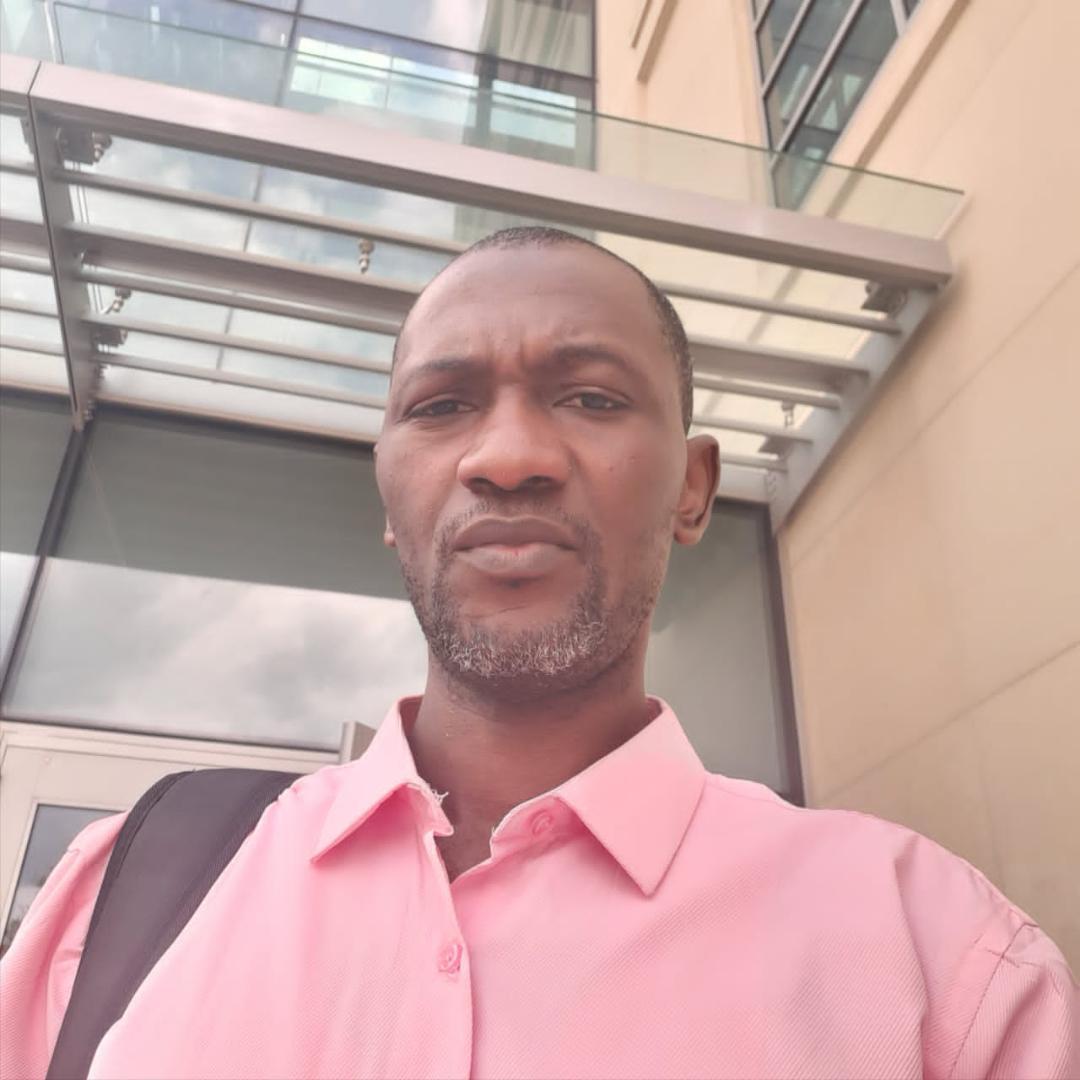
In a small but vibrant office at the Howard L. Hawks Hall, College of Business, University of Nebraska-Lincoln (UNL), sits a researcher whose journey from a modest town in Ibadan, Nigeria to one of America’s leading PhD programs tells a story of grit, vision, and groundbreaking insight into the world of professional sales.
Dr. Bamidele Adeleke, 39, has become a rising star in the field of business-to-business (B2B) marketing and marketing strategy, with his ongoing research focusing on “sales misdemeanors”—a term that encompasses unethical, manipulative, and deceptive practices by salespeople under pressure to perform.
His journey to the US was made possible by a string of prestigious scholarships, assistantships, and fellowships, including the Olge Fellowship and the Othmer Fellowship, each awarded to a select few for academic brilliance and leadership potential.
We had an exclusive one-on-one chat with him about his academic path, what drives his research, and what he hopes to change in the business world for the global environment.
“From Ibadan to the Nebraska Marketing”
Q: Can you tell us a little about where your journey began?
BA: My name is Bamidele Adeleke. I was born and raised in Ibadan, Nigeria. I studied an undergraduate marketing degree at the University of Nigeria, Nsukka, and completed my graduate degrees from the University of Lagos, the National Open University, and the University of Nigeria. I worked in the Nigerian educational sector for several years before sojourning to the US. During my teaching and research days at the Lead City University, Ibadan, I taught students sales management and became fascinated by the gray areas in sales and marketing. Salespeople were under immense pressure. Some bent the truth to meet quotas. I kept wondering: Why does the system push them that far?
That curiosity led me to pursue graduate research on the complicated aspect of marketing and sales strategy, and thanks to the support through UNL scholarships and fellowships, I was able to secure a PhD offer with research funding. That support changed everything.
“We Celebrate Sales, but We Don’t Talk About the Dark Side”
Q: What exactly is sales misdemeanor, and why is it so important to study?
BA: Sales misdemeanor refers to actions that violate ethical or organizational norms—lying to customers, hiding product defects, pressuring clients, faking sales reports, engaging in insubordination, pilfering, and breach of company confidentiality. It’s not always about outright fraud; sometimes it’s small actions that build a toxic culture. In the B2B domain, sales misbehavior refers to any deliberate, unethical, deceptive, or manipulative action taken by sales professionals to meet targets or personal gain. This includes misrepresenting product capabilities, bribing procurement officials, violating confidentiality, or even manipulating CRM data. What makes it complex in B2B settings is the longevity and depth of relationships—trust is currency, and when breached, the ripple effects can be massive. Salespeople are the front line of any business. Yet they face conflicting demands: meet targets, keep customers happy, and protect the brand. That tension often leads to ethically questionable decisions. If we don’t understand the psychological and organizational triggers, we’re leaving room for repeated scandals and customer distrust.
“Sales Misbehavior Isn’t Just a ‘Bad Apple’ Problem”
Q: What have you found so far in your research?
BA: The biggest myth is that misdemeanor happens because of “bad apples.” But my data shows it’s often the organizational culture and system: role ambiguity, discrimination, goal orientation, and over-dependency that push good people into bad decisions. For example, in my qualitative inquiry, probing questions from 32 sales professionals (managers and representatives) who were participants, over 80% admitted to at least one form of “ethical bending” in the past six months, often driven by role ambiguity or reward systems. My study found that misdemeanor consequences unfold on three levels: the first is the individual consequences. The initial reward, i.e., closed deals, bonuses, recognition, can quickly spiral into burnout, loss of integrity, and legal liability. Psychologically, many experience long-term guilt or stress. Second is the organizational impact. Misdemeanors erode client trust, risk regulatory penalties, and trigger reputational damage. Lost clients, litigation, and a toxic work culture are the inevitable aftermath. Third and lastly is the industry-wide fallout: When major players engage in misdemeanors, it forces competitors to either adapt or fall behind, creating a race to the ethical bottom. This dilutes industry standards and creates skepticism in partnerships.
“I Want to Build Ethical Sales Cultures”
Q: The way forward: Prevention & Culture. How do you hope your work will impact the business world?
BA: I want businesses to look beyond performance numbers and start designing ethical safety nets. That includes better simulation, mentoring and training, disciplines and punishment, and legal responsibilities. Sales excellence and ethics are not mutually exclusive. In fact, long-term success requires integrity. Firms need to cultivate teams that not only close deals but also do so with honor, transparency, and accountability. Otherwise, the price—reputational, financial, and human—is simply too high. In my further study, I’m developing a diagnostic tool that companies can use to measure “ethical strain” in sales teams—like a pressure gauge to detect when people are close to crossing the line. It’s about proactive prevention.
“Being an African Scholar in the U.S. Is it an Act of Representation?”
Q: What has your experience been like as an African scholar in the U.S. research system?
BA: There are challenges—cultural differences, immigration stress, occasional assumptions—but mostly it’s been empowering. I want African scholars to know we can lead globally in research, not just follow. And being here has opened doors—international conferences, research funding, access to top faculty. But my voice as an African still matters in the U.S. classroom. It brings a different worldview.
“After the PhD: Home or Stay?”
Q: What’s next after the PhD?
BA: I’d like to teach and continue researching, maybe split my time between the U.S. and Africa. I believe in cross-continental collaboration. Eventually, I’d love to start B2B inter-firm arrangements, marketing and sales ethics, and a strategic institute to train a new generation of business leaders with integrity.
A Final Word
Q: Any advice for young Africans dreaming of a global research career?
BA: Start where you are. Read widely. Apply boldly. Don’t be afraid to ask big questions. Your background is not your limitation—it’s your lens. Use it.
Bamidele is expected to complete his PhD by 2027. His research paper, “What Actuates Sales Misdemeanors in Selling Situation,” will be presented at the American Marketing Association Academic Conference next winter.
——-