Follow Us on Google
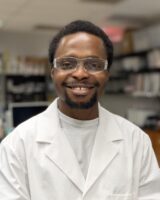
A virology researcher at the Emory University School of Medicine, United States, Tobi Lawal, has urged countries to strengthen human-based virus measurement as part of efforts to improve preparedness for future pandemics, warning that genome sequencing alone cannot provide the answers needed to prevent global health crises.
Speaking in an interview, Lawal said while scientific advances now enable researchers to identify and sequence new viruses within days, understanding how those viruses behave in humans remains essential for effective public health responses.
According to him, pandemic preparedness remains incomplete because much of the current approach relies heavily on laboratory findings rather than evidence obtained directly from infected people.
“My work is to measure influenza in and from people rather than from laboratory stand-ins,” he said.
Lawal explained that his research focuses on determining how much infectious influenza virus infected individuals release into the air and whether interventions such as ultraviolet light and improved ventilation can reduce transmission.
He said his team also studies influenza viruses circulating in dairy cattle and pigs in the United States to assess whether existing human immunity can recognise them and whether the viruses have the potential to spread efficiently among mammals.
The researcher added that controlled clinical studies are also being used to understand how the human immune system responds to influenza and the level of protection vaccines need to provide.
According to him, these measurements generate critical evidence for vaccine development and public health decision-making but remain technically difficult to obtain.
Lawal noted that while genome sequencing helps identify viruses and determine their genetic relationships, it does not reveal how easily they spread through the air, how well human immune systems can fight them or what vaccines must achieve to prevent infection.
“It does not tell us how easily it spreads through the air, whether our immune systems can fight it, or what a vaccine must do to stop it,” he said.
Reflecting on lessons from COVID-19, Lawal said uncertainty over airborne transmission delayed consensus on school closures, mask mandates and ventilation standards, adding that similar gaps still exist in influenza research despite decades of scientific investigation.
“Influenza has been studied for about seventy years, yet we still cannot reliably predict from a blood test whether a vaccine will protect a particular individual,” he said.
Other News
He pointed to the continued spread of H5N1 avian influenza in American dairy herds as evidence that pandemic preparedness requires more than genetic surveillance, noting that researchers still need human-based studies to determine whether sustained person-to-person transmission is possible.
“The question is not only what the virus is, but what it does to people. That is exactly what human measurement is designed to answer,” he said.
Lawal called for sustained investment in research infrastructure capable of measuring infectious viruses released by infected individuals before outbreaks occur, saying such systems would enable hospitals, schools and workplaces to adopt evidence-based infection control and ventilation measures.
He also advocated routine testing of emerging animal viruses against existing human immunity to help governments identify promising vaccine candidates before outbreaks escalate.
“The cost of maintaining these capabilities is small compared with the economic losses caused by pandemics,” he said.
Lawal noted that the ongoing bird flu outbreak has already led to the culling of millions of poultry birds and significant economic losses despite limited human transmission, while COVID-19 demonstrated the devastating consequences of delayed preparedness.
On Africa, he said Nigeria’s recurring H5N1 outbreaks continue to threaten poultry production, food security and livelihoods, while lower-income countries suffered disproportionately during COVID-19 because vaccines became available much later than in wealthier nations.
“Measurement tools and scientific methods can be shared, taught and developed locally. A virus understood anywhere makes the whole world safer,” he said.
Warning against repeating past mistakes, Lawal stressed that the world should not wait until another crisis before investing in the scientific capacity needed to understand emerging pathogens.
“We know what failure looks like because we have lived it. We cannot afford to spend months learning during a crisis what we could have measured beforehand,” he said.
He expressed optimism that strengthening human-based virus measurement would support faster, evidence-driven responses to future disease outbreaks.
“The next pandemic virus is likely already circulating in an animal reservoir somewhere. The real question is whether we will understand what it does to people before it spreads widely,” Lawal added.