Follow Us on Google
By Ngozi Nwoke
In Nigeria’s evolving disability inclusion landscape, a growing model that combines creative enterprise, exhibition events, and media innovation is drawing attention for its integrated approach to economic empowerment and social inclusion.
At the centre of this emerging ecosystem is Success Chinwendu Ezeani, a social impact entrepreneur, documentary producer, and disability inclusion advocate whose work spans vocational training, textile production, exhibition curation, and digital storytelling.
Over the past decade, Ezeani has developed what he describes as a structured empowerment framework aimed at shifting persons living with disabilities from economic dependency into active participation in production and enterprise.
Through the Success Ezeani Ability Foundation, established in 2016, the initiative has supported a considerable number of persons living with disabilities and vulnerable individuals through vocational training, enterprise development, scholarships, humanitarian relief, and medical outreach programmes.
Since 2012, the model has combined skills acquisition, entrepreneurship support, humanitarian intervention, and creative production into a unified system designed to promote long-term economic inclusion rather than short-term welfare dependency.
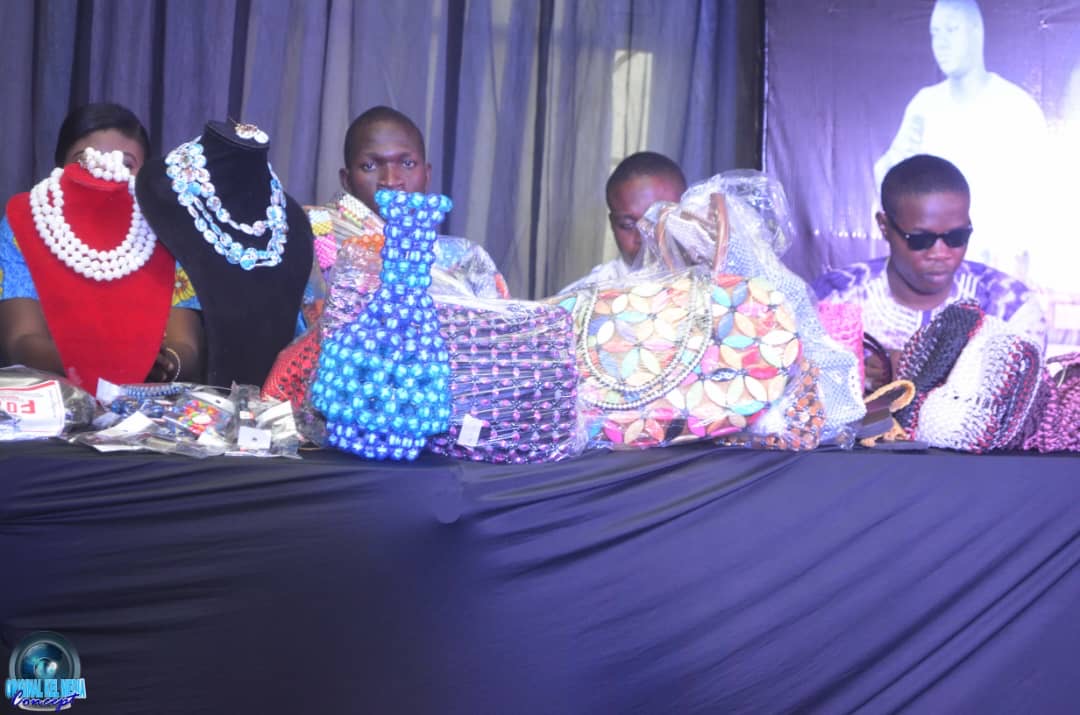
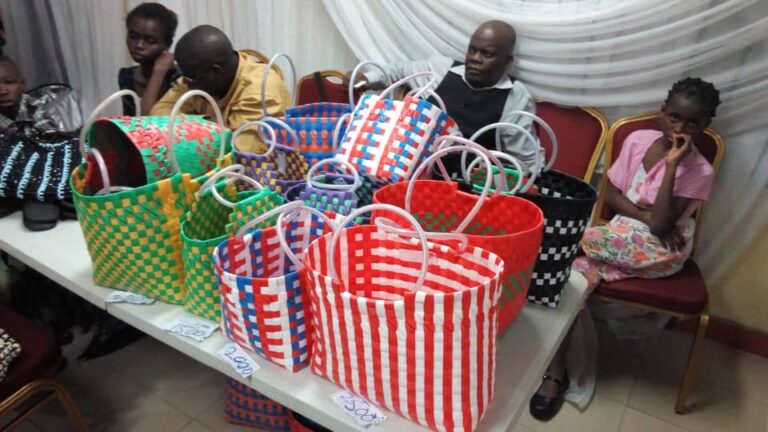
At the core of the initiative is a framework referred to as “Turning Disability into Productivity,” which reframes disability as a potential site of creativity, production, and economic participation. A significant component of the model involves inclusive textile production and artisan enterprise development, where more than 1,000 products created by persons living with disabilities are developed and promoted through the organisation’s network.
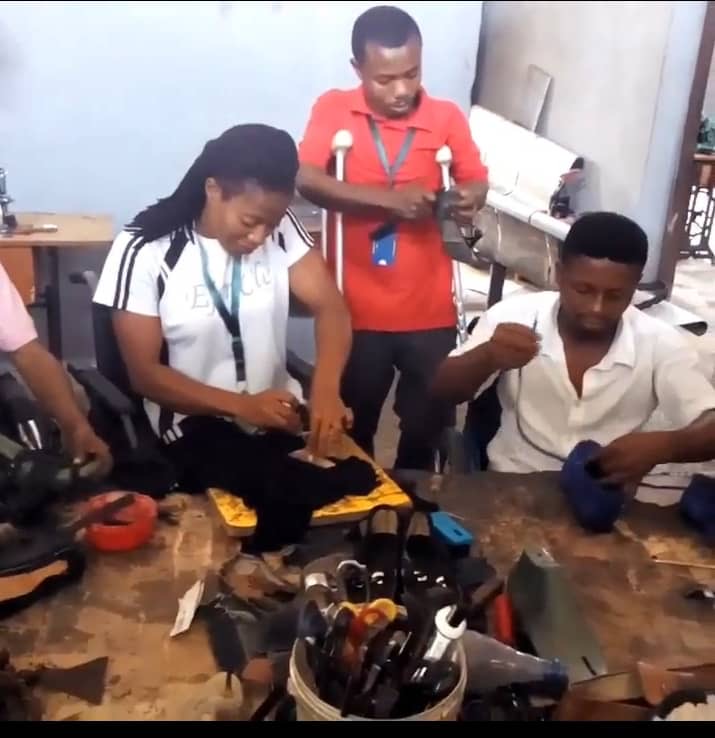
Some of these products have reached buyers in the United Kingdom, United States, and Japan, reflecting early signs of international demand for disability-inclusive creative enterprise. The initiative also includes a partnership with Audion Toys Limited, where participants are engaged in textile-related production processes that contribute to both skills development and commercial output.
Other News
Beyond production, Ezeani’s model extends into exhibition events and curated showcases, which provide platforms for creators living with disabilities to present their textile works, crafts, and creative outputs directly to audiences, buyers, and stakeholders within the creative economy.
One of the beneficiaries of the skills development initiative, Chidimma Ebere, a visually impaired entrepreneur based in Bariga, Lagos, who produces peanuts, and snacks, noted that the programme helped her improve her business and earn income through her skills. She said the training and support she received made a noticeable difference in her ability to sustain her livelihood.
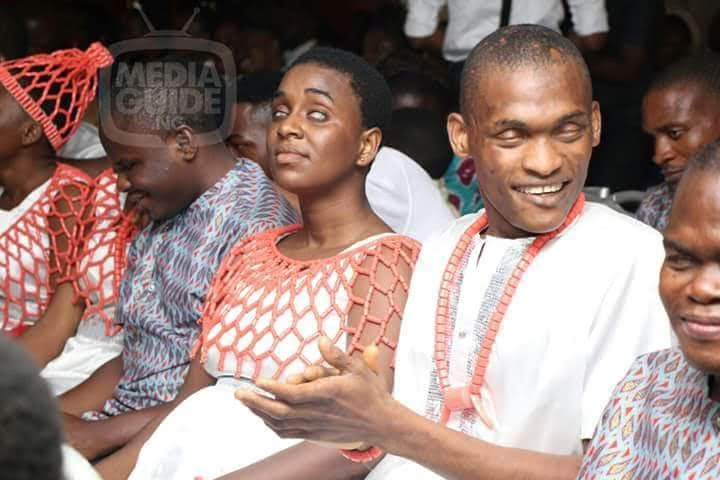
The R4C Ability Project Parallel to its enterprise and exhibition structure is the R4C Ability Project, a documentary and digital storytelling platform documenting the experiences, creativity, and entrepreneurial journeys of persons living with disabilities. The project recently completed a nine-part documentary empowerment series, combining storytelling, skills development, and financial support to increase visibility and opportunity for selected participants.
This reflects a growing shift toward integrated approaches that combine production, visibility, and storytelling as tools for inclusion.
Ezeani’s work has also gained visibility through appearances across national television, radio, and digital platforms, where he has contributed to public conversations on disability inclusion, creative enterprise, and social innovation.
With his media engagements on Wazobia Max TV – Late Night Show (Empowerment and social innovation) – 1,900+ verified YouTube views, his visibility cuts across both mainstream entertainment-led platforms and development-focused programming, reflecting a crossover between advocacy, creative production, and public engagement.
A history of grassroots impact beyond media exposure, he has collaborated with organisations including LEAP Africa, CEADER, and others on humanitarian and community development initiatives, including COVID-19 relief programmes that provided food and medical support to vulnerable groups during periods of economic strain.
His earlier experience includes grassroots and community-based work, including service as Head of Volunteers for the Aunt Landa Bethel Foundation, where vocational and educational support programmes were coordinated, as well as participation in food outreach initiatives supporting vulnerable residents in Lagos. He is a LEAP Africa Fellow and recipient of the Social Innovators Award in 2017 and 2018 in recognition of his contribution to innovation-led community empowerment.
Looking ahead, Ezeani intends to expand this initiative beyond Nigeria through international partnerships spanning enterprise development, media production, textile systems, and creative industries while believing that every disability lies a great ability.